The ICM Triennial Congress starts with great energy – Day 1 Recap
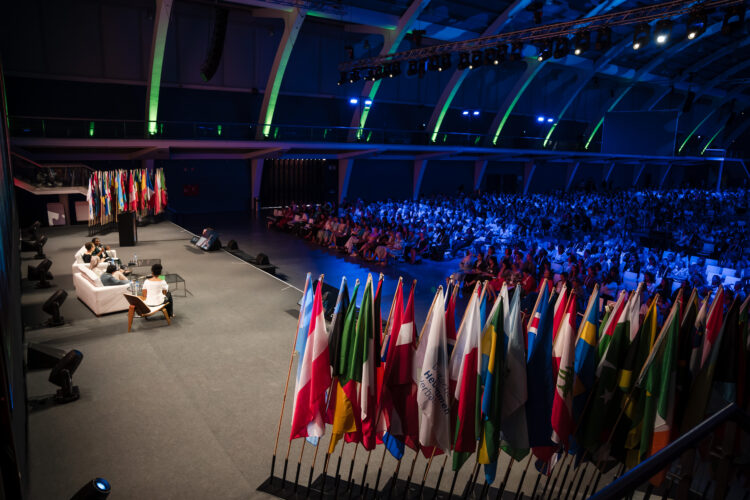
The 34th ICM Triennial Congress officially opened on Sunday 14 June in Lisbon, Portugal. Over 3000 midwives, researchers, students, and advocates from 129 countries are attending. The energising opening ceremony saw the Portuguese Association of Midwives (APEO), co-hosts of the Congress, the Minister of Health and the Mayor of the city of Lisbon welcoming the participants to the country and starting the flag ceremony, a moment of pride for all midwives carrying their national flags.
There could not have been a better kick off!
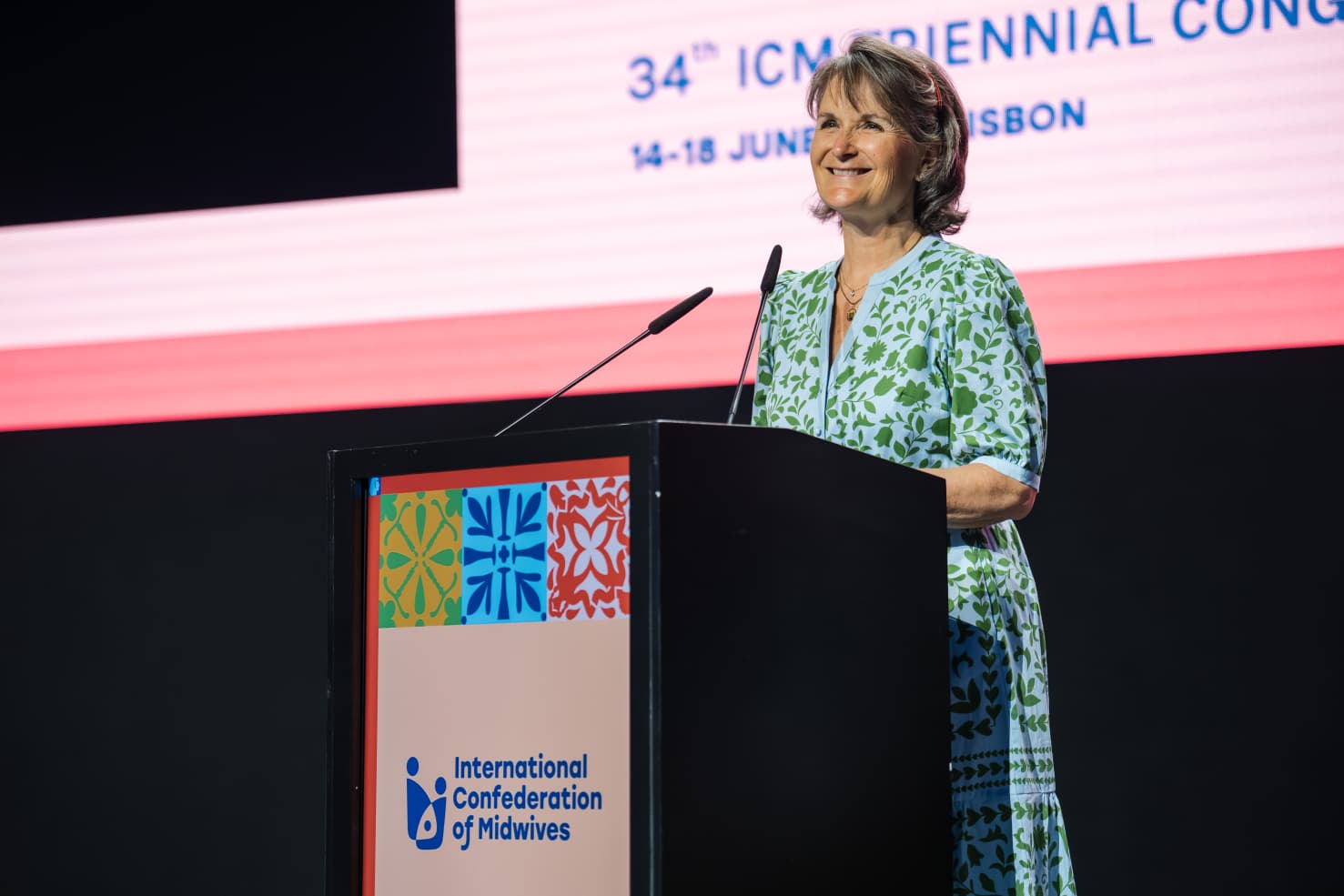
The first plenary: One Million More Midwives – How midwives drive health systems forward
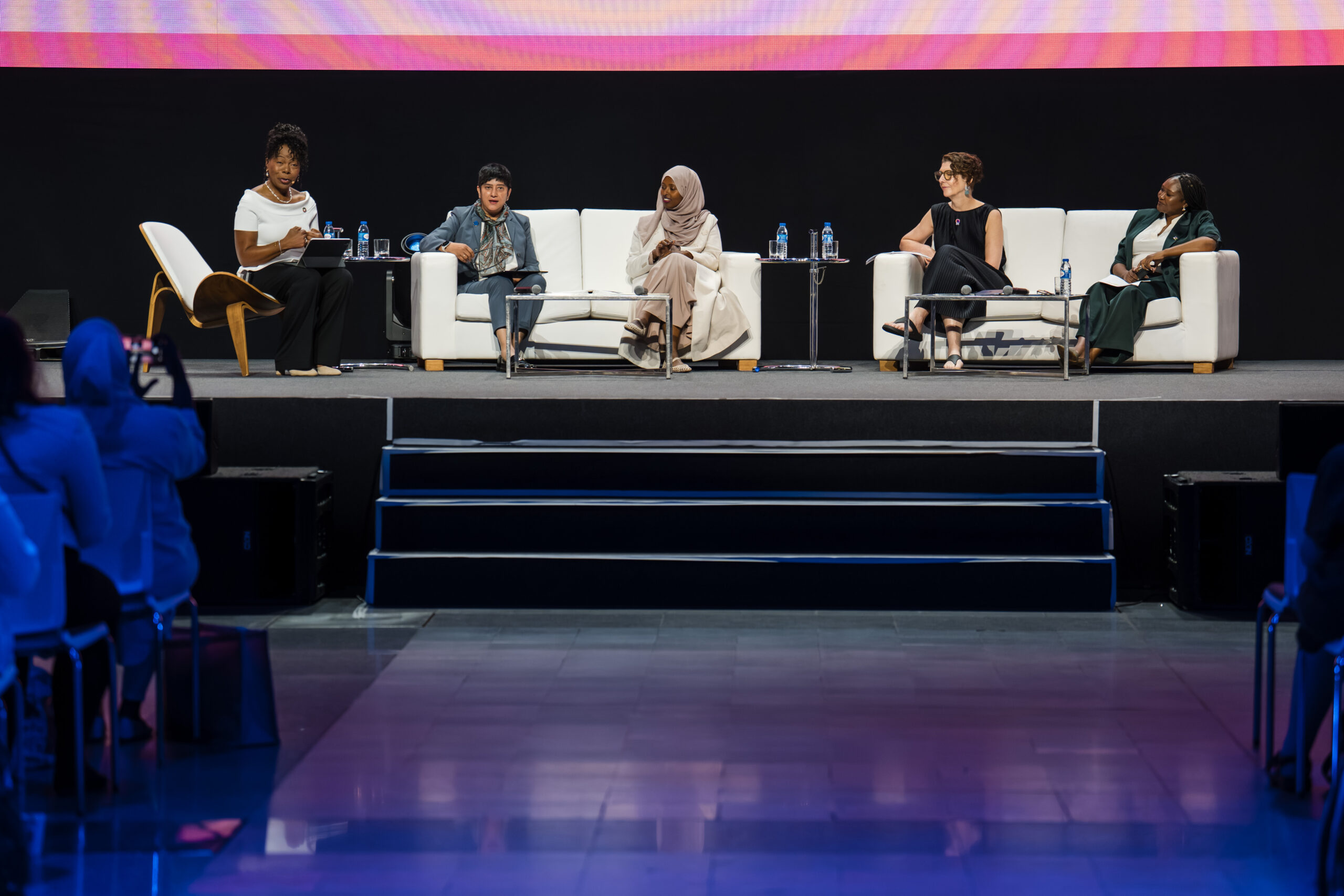
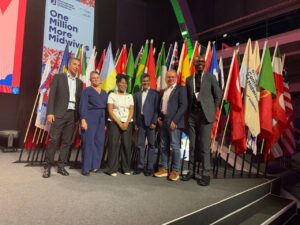
The first plenary, One Million More Midwives: How Midwives Drive Health Systems Forward, brought together Magda Robalo, Jacqueline Dunkley-Bent, Inderjeet Kaur, Jama Egal, Jaki Lambert and Sylvia Hamata to explore what One Million More Midwives means in practice. The session opened with the energy of Congress and a clear message: the global call for more midwives is also a call for stronger education, leadership, regulation, protection and recognition. Magda set the tone by framing investment in midwives as an investment in health equity, gender equity and sustainable development, while Jacqueline guided a panel discussion that connected this global vision to country realities.
Through examples from India, Somaliland, Scotland and Namibia, the speakers showed how midwives are already driving health systems forward. Inderjeet spoke about the need for midwifery education that meets ICM global standards and can reduce overmedicalisation. Jama highlighted the importance of investing in midwives before crises happen, so health systems are ready when women and newborns need care most. Jaki focused on inequality, safe staffing and the power of midwifery communities to drive change. Sylvia brought attention to the legal, institutional and professional protections midwives need to practise with confidence and provide respectful SRHR care. Together, the session showed that One Million More Midwives is not only about the size of the workforce, but about enabling midwives to lead, advocate and work across their full scope of practice.
Our Workshops
Over-medicalisation in childbirth: Myth to reality
Facilitated by , the workshop examined current evidence and explored the rising obstetric interventions and rising global caesarean section rates. Midwives, obstetricians, and NGO representatives came together for a frank, evidence-based conversation. The debate critically and honestly examined when intervention saves lives, and when it gets in the way of safe, dignified, woman-centred birth. Participants left with concrete advocacy strategies to bring back to their own contexts.
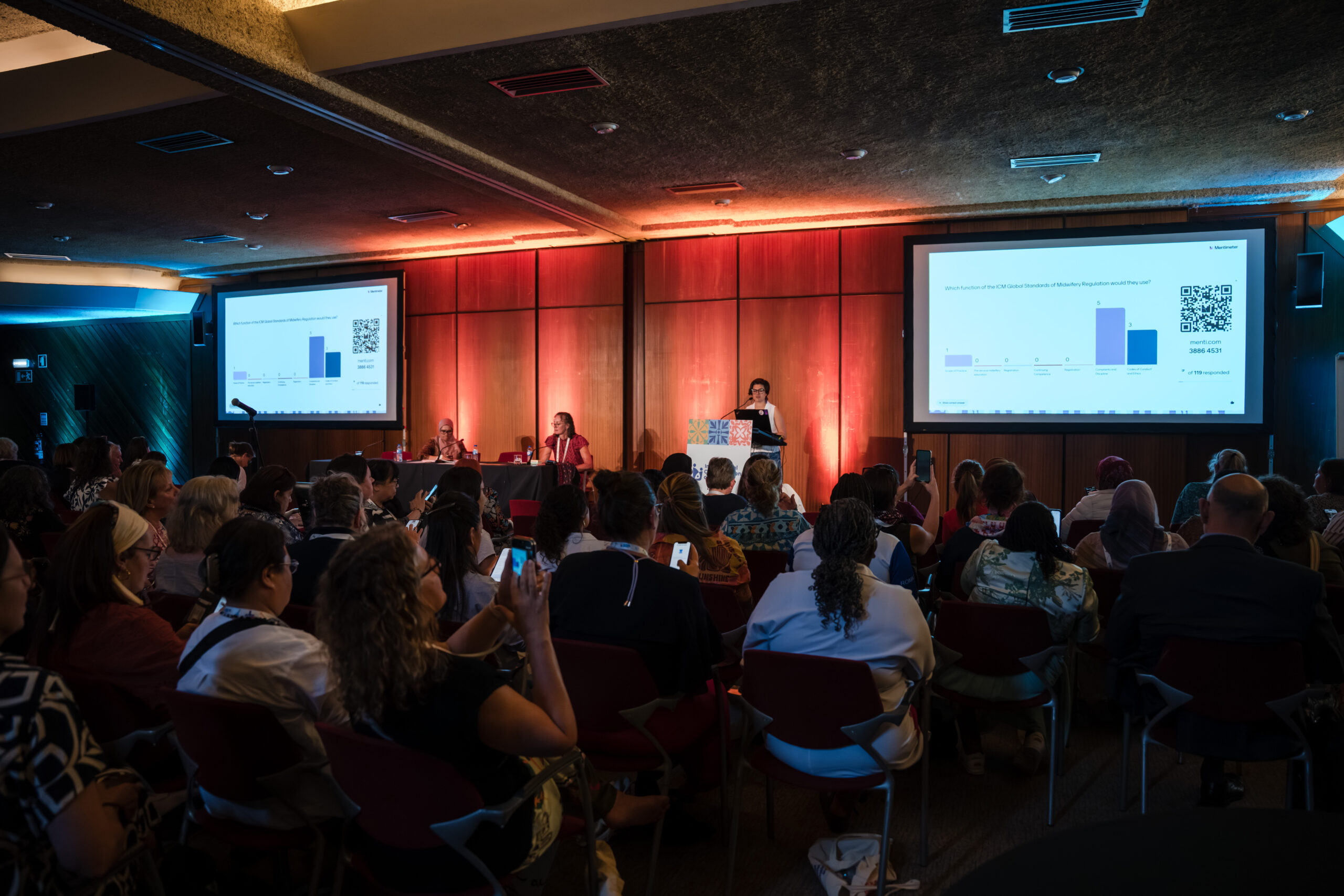
Improving midwifery regulation: From standards to action
Strong regulation is the backbone of a strong profession. This hands-on workshop, facilitated by ICM Midwife Advisor Stephanie Marriott, Paula Medway, and Gita Nirmala Sari, unpacked ICM’s Global Standards for Midwifery Regulation and how they can be applied at country level — from improving pre-service education to putting codes of conduct into practice.
Practical, interactive, and immediately applicable.
Building the movement for and with women: PUSH for rights, for women, for midwives
Midwives are advocates, leaders, and change-makers — and this workshop made that case powerfully. Guided by PUSH Campaign Lead Merette Khalil and Nabeeha Kazi Hutchkins (PAI), Paola S Daher (Women Deliver), Matt Matassa (Gates Institute, Johns Hopkins), participants explored how to build coalitions, engage grassroots movements, influence policymakers, and use strategic storytelling to shift narratives around SRMNAH and midwifery. The message was clear: midwifery advocacy doesn’t exist in isolation — it’s part of a broader feminist, human rights, and climate justice movement. Participants left with practical tools to take action in their own contexts.
Partner Spotlight
Ending PPH together: Implementing the new global guidelines
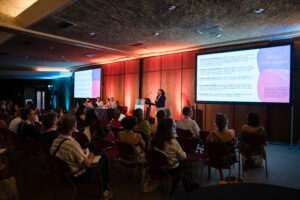
The high-level plenary session led by WHO/HRP explored the latest evidence and practical tools to prevent and manage postpartum haemorrhage (PPH), one of the leading causes of maternal mortality worldwide. It marked the launch of the 2026 Lancet PPH Series and introduce the WHO–FIGO–ICM consolidated PPH guidelines, including the new global definition of PPH, alongside implementation toolkits, digital resources, and real-world country experiences.
“But the oxytocin doesn’t work!”: Midwives at the frontline of pharmacovigilance
Unitaid, UNFPA, and ICM under the EWENE partnership, came together to put midwives at the centre of pharmacovigilance — equipping them with practical tools to lead on access to quality medicines and health products for maternal and newborn care in their own countries.
Beyond the programme
Day one was full of joy, excitement and connection. From registration to the exhibition hall, participants filled the Congress space with energy as they met old friends, made new connections and exchanged ideas. Participants explored the Exhibition Hall, visited the Artisans and NGOs Village, and packed the poster exhibition to engage with new knowledge and research from across the midwifery field. The ICM booth was also buzzing throughout the day, with some of the Congress merchandise selling out quickly. It was a day of networking, learning and shared experiences, setting the tone for an inspiring Congress ahead.
Coming up today
Starting off with two breakfast symposiums sponsored by WHO and the Van Leer Foundation, participants can get into the spirit of Congress from the early hours.
Don’t miss the second plenary session on Midwives in Crisis, pick your workshops and save them on your app, and don’t miss the Lisbon Congress Dinner!
Stay tuned to social media to see our live coverage and our picture recap!