Midwives in Crisis: Plenary 2 confronts global emergencies and change
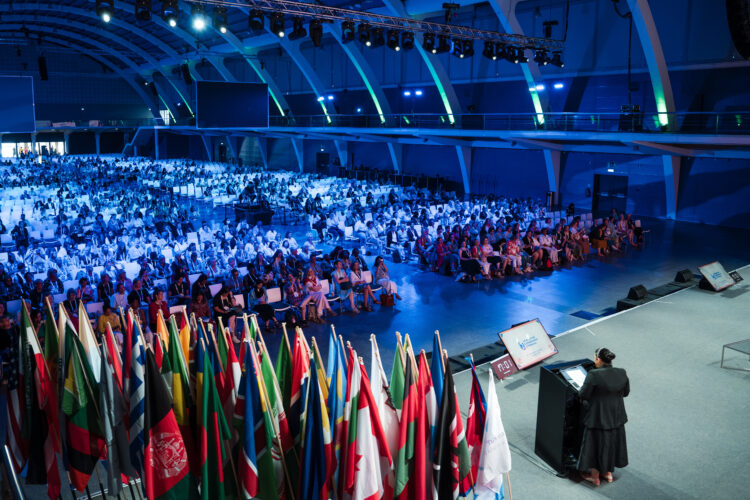
As global crises become more frequent and more complex, midwives are increasingly finding themselves on the frontlines of response. The second plenary session of the ICM Triennial Congress explored what that reality looks like in practice, bringing together voices from across the world to discuss conflict, climate change, migration, human rights and the future of the profession.
Introducing the session, Anna af Ugglas reminded participants that the Congress is taking place at a time when crisis is not an abstract concept for midwives. “We know that 61% of maternal deaths occur in crisis, in humanitarian settings,” she said, linking the session’s theme to a wider call for peace. “We have to go into the root cause of maternal deaths in crisis and in wars. In other words, we have to stop it and we need peace.”
From there, the conversation moved across conflict, climate change, migration, fragile health systems, prisons, political attacks on rights and the growing pressure placed on midwives around the world. The message was clear: midwives are not only responding to crisis. They are holding care together where systems are strained, fragmented or absent.
Midwives as human rights defenders
Paola Salwan Daher, Senior Director for Collective Action at Women Deliver, opened the plenary with a keynote that set the tone for the discussion. Speaking as a human rights lawyer and feminist advocate, she called for greater clarity about the political forces affecting women, girls, gender diverse people and health workers.
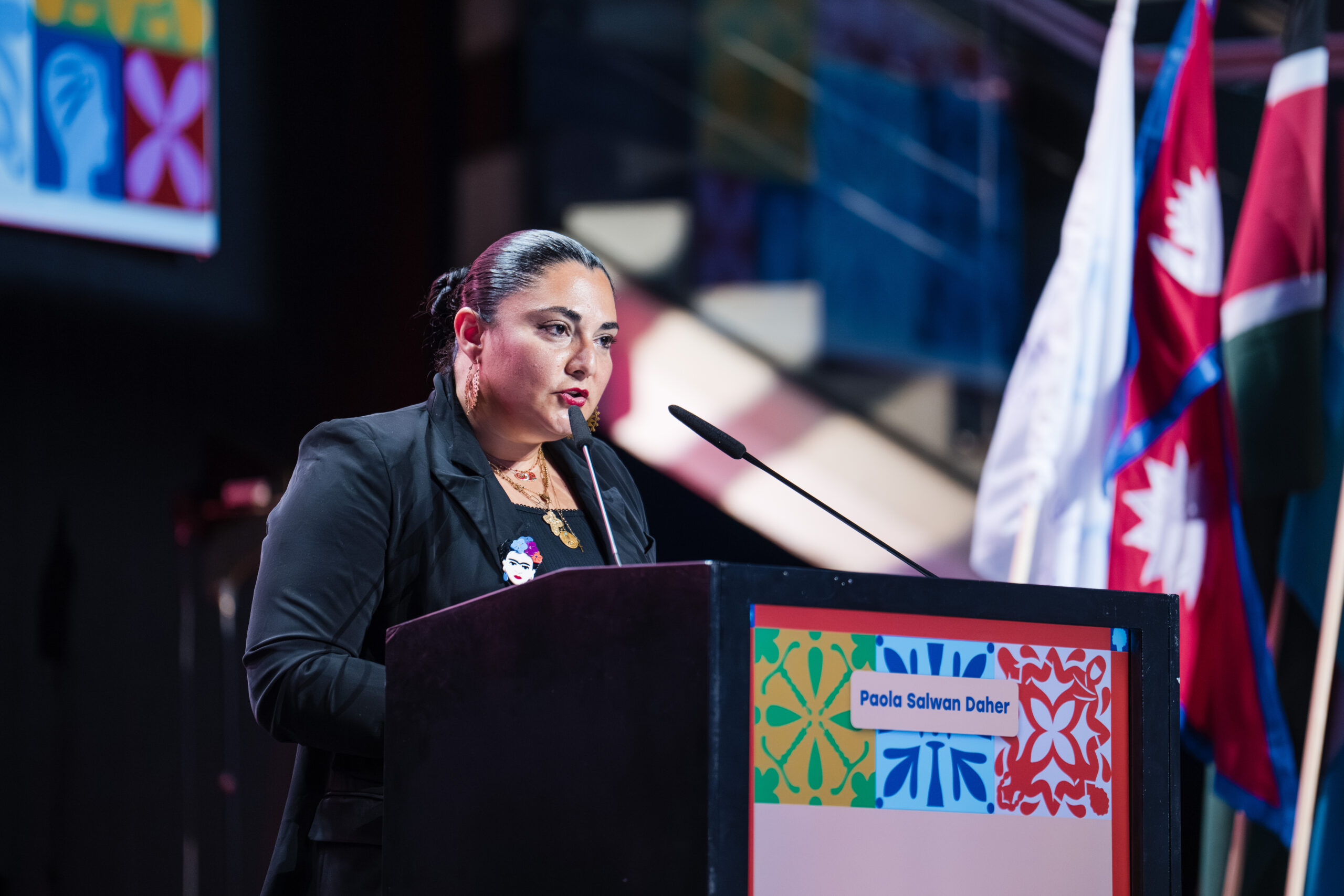
She challenged the use of terms such as “backlash” and “pushback,” arguing that they can imply that advocates for bodily autonomy and sexual and reproductive health and rights have somehow gone too far. “The only wrong thing that we have done is to be extremely good at our job,” she said.
Instead, Paola described the current moment as one of “coordinated attacks on sexual and reproductive health and rights and on the rights of women and girls.” These attacks, she explained, are well funded, organised across borders and connected to wider efforts to weaken public health systems, democratic protections and international human rights standards.
Her keynote placed midwives firmly within this human rights landscape. “Not only are you leaders, but you’re also women human rights defenders,” she told the room. “You act for the protection of the right to bodily autonomy, to health and to sexual and reproductive health.”
Her remarks resonated strongly with the audience and were met with a powerful standing ovation from the crowd.
It was a powerful reminder that midwifery is not only clinical work. It is rights-based work, and in many settings it comes with real personal and professional risk.
 Care where systems break apart
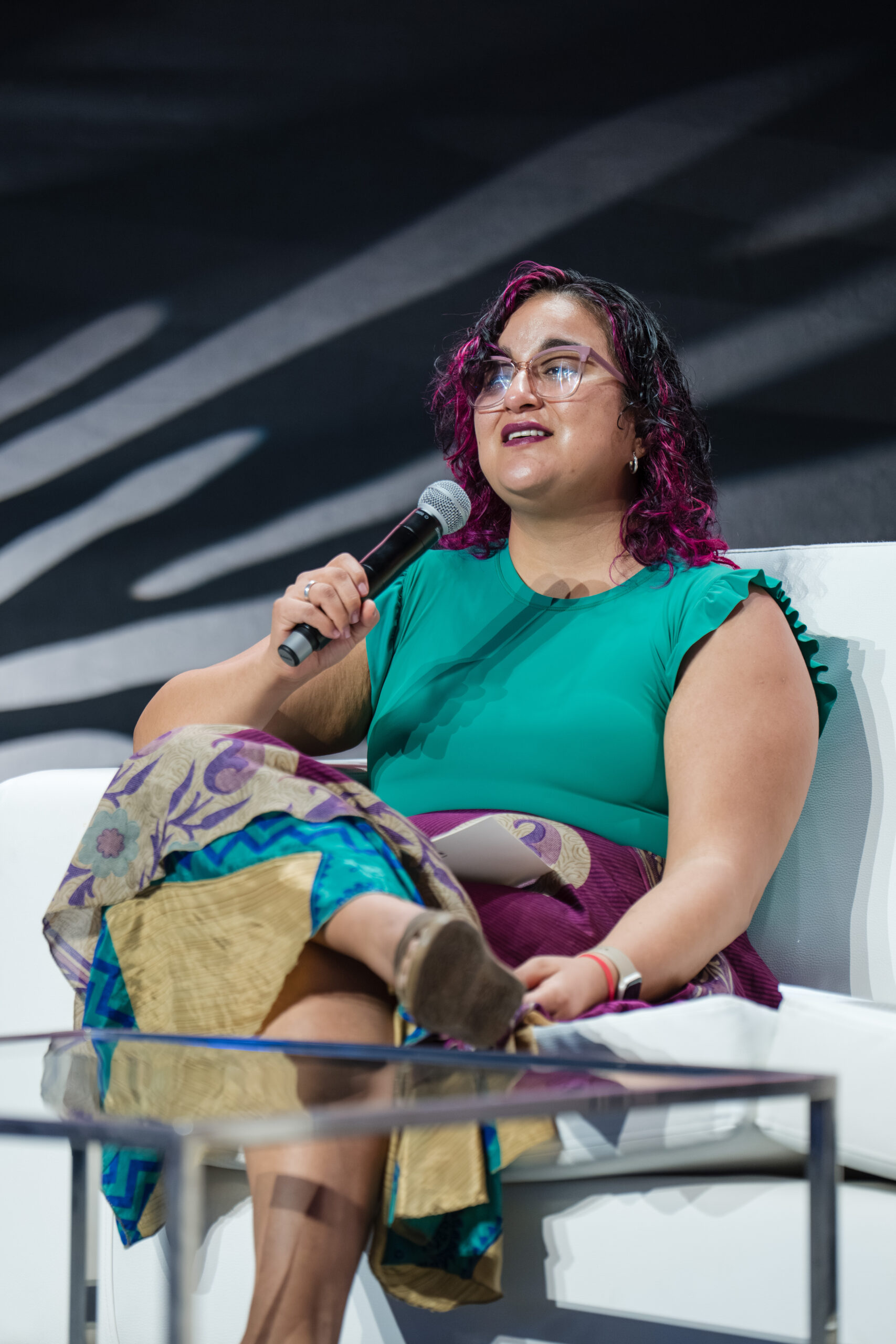
Moderated by Sanjana Bhardwaj, Deputy Director at the Gates Foundation, the panel explored what crisis looks like in different contexts and what midwives are doing in response.
Macarena Martinez, midwife, assistant professor and PhD candidate at the University of Chile, spoke about women in prison. She described barriers to sexual and reproductive health care as structural, including scarcity of services, control over women’s reproductive choices and silence around sexuality and rights.
In Chile, she explained, only three out of 36 facilities that hold women have a midwife at all. Across the country, there are roughly 11 midwives for the entire female prison population. For women who need contraception, sexual health information, pregnancy care or breastfeeding support, this creates long delays and limited choice.
Yet when Macarena and her colleagues worked directly with women in prisons, one message came through strongly: midwives were trusted. One woman told them that midwives were “the only personnel that treat them like you are a person.”
“Midwives give continuity where the system breaks apart,” Macarena said. “Even in the most hostile, most constrained environments, we as midwives leave no woman behind.”
Climate, trust and community
Neha Mankani, ICM Humanitarian Engagement and Climate Advisor, brought the discussion to climate-affected island communities off the coast of Karachi, Pakistan. She described communities facing extreme heat, rising sea levels, flooding, energy poverty, overfishing, nutrition challenges and lack of access to care.
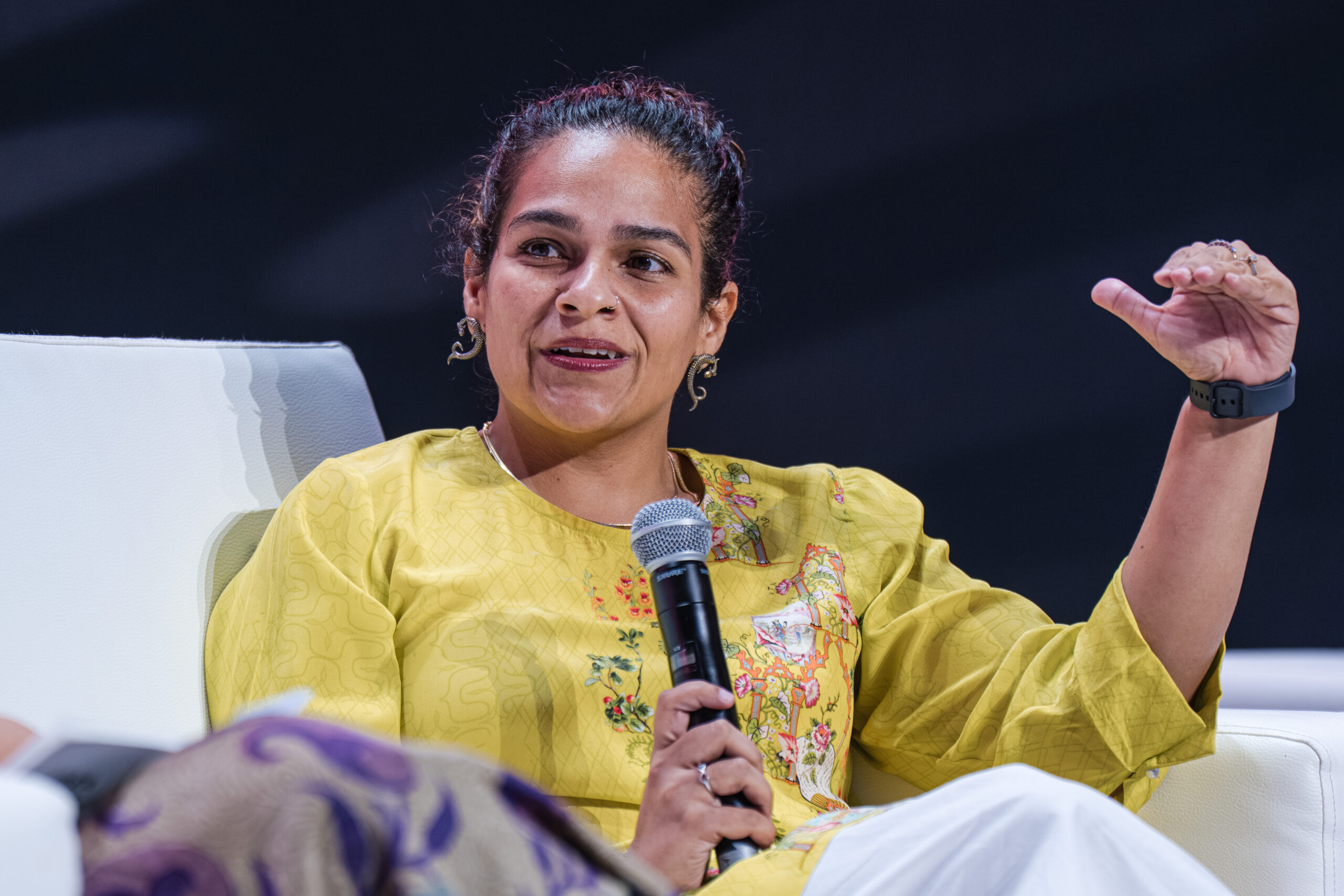
For a population of around 60,000 people across four islands and the coast, the clinic where Neha works is the only source of maternal health care in the area. It began as a small shop and has become much more than a clinic. During heatwaves, it serves as a cooling space. For women with limited mobility, it is also a safe place to rest, talk and seek support.
Neha explained that trust is built long before an emergency begins. “When crisis occurs, if there’s a flood, if there’s a cyclone, if we can’t access them, those relationships become really critical because then I know who’s pregnant, I know who has hypertension, I know who lives alone.”
She also described a free 24/7 boat ambulance system created through her organisation, Mama Baby Fund. Its success, she said, is not only the boat itself, but the relationship that allows families to call and ask for help when they need it.
Her advice to leaders was clear: “Before we invest in projects, we need to invest in people. Because when everything is gone, those people will still be there.”
 Rebuilding trust in midwifery
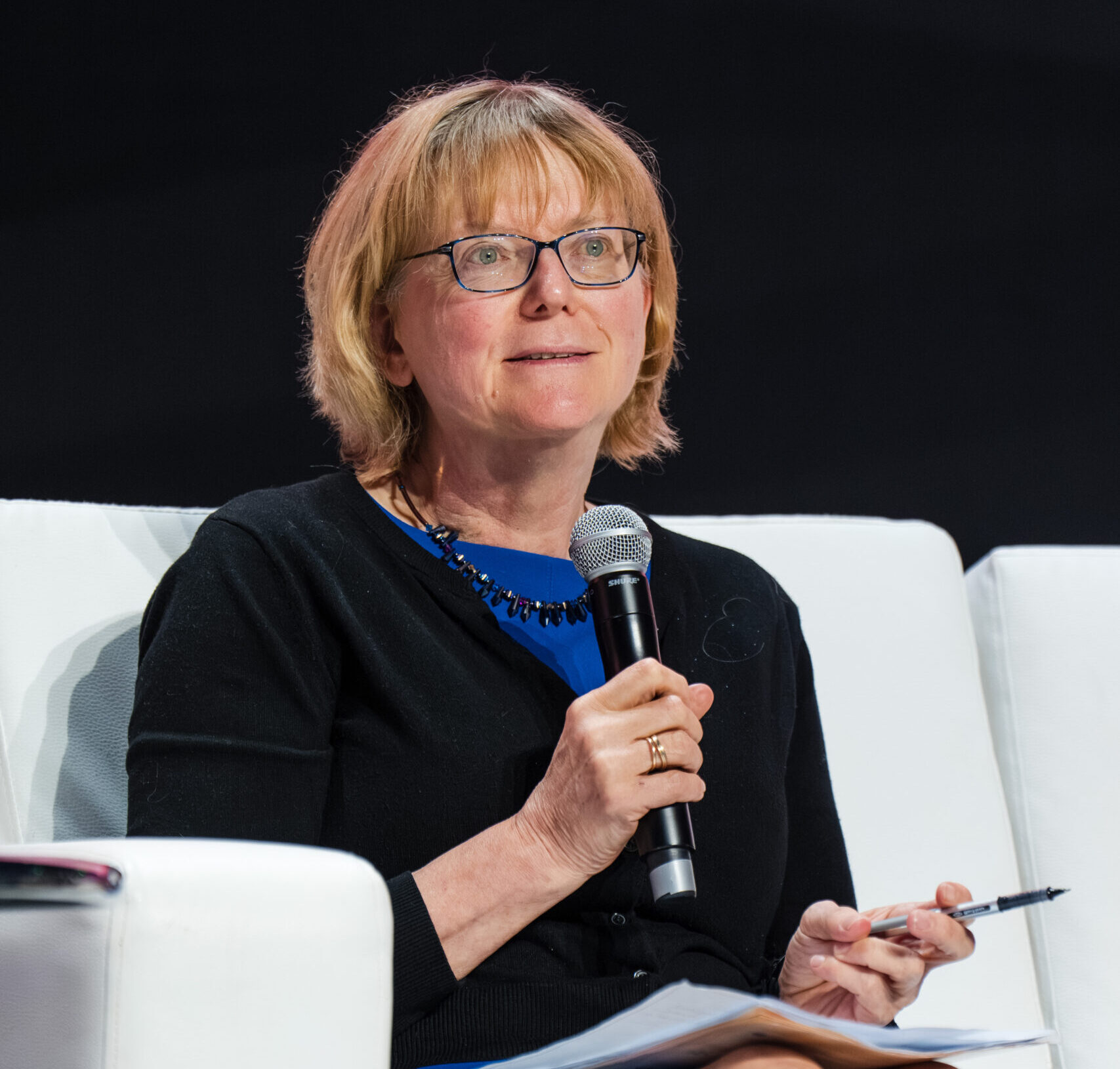
Professor Soo Downe, from the University of Lancashire, reflected on a different kind of crisis: the erosion of trust in midwifery and physiological birth in the United Kingdom.
She spoke about the breakdown of relationships between midwives, women and doctors as care has become more fragmented, and about how public and political pressure have shaped the conversation around birth. In the UK, she said, the caesarean section rate is now “heading for 50%,” while maternal mortality, litigation and birth trauma are rising.
For Soo, part of the answer lies in rebuilding trust. “We need integrity, belief and courage to stick with the core of midwifery,” she said. This means optimising care for all women and babies, rebuilding women’s trust in their bodies and supporting midwives who feel isolated or attacked.
Her words resonated across the room: “We have to all be that change, but we have to be mutually supportive when we find ourselves at that point in our lives.”
 Reaching women on the move
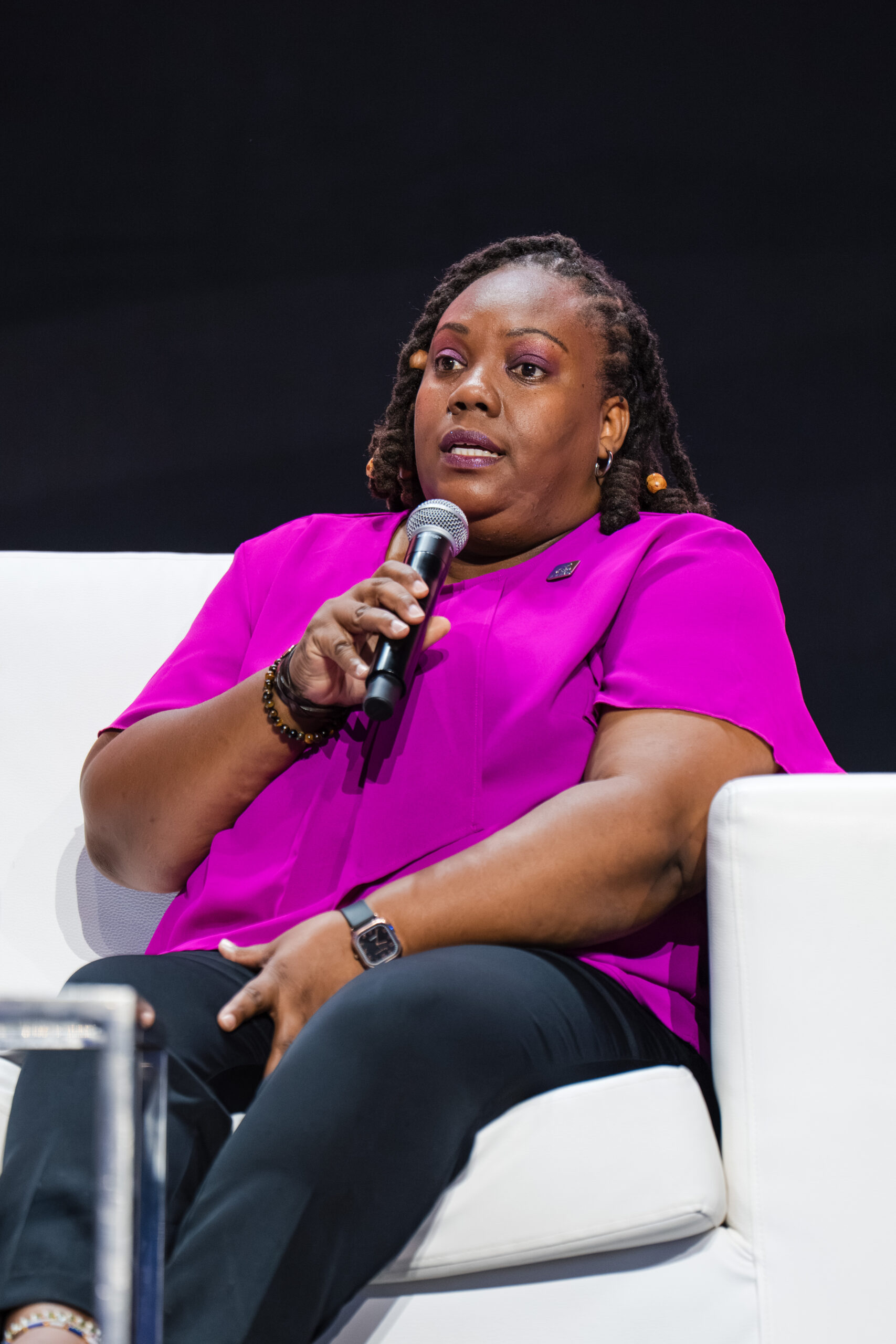
Nicole Reece-James, President of the Trinidad and Tobago Association of Midwives, spoke about providing care to Venezuelan migrants in Trinidad and Tobago. She described how many migrant women were arriving at hospital only when they were already in labour, often because of fear, lack of information, language barriers or uncertainty about whether they were entitled to care.
The Association responded by going into communities, working with other organisations, preparing translated information, sharing referral pathways and helping women access antenatal, birth and postnatal care. Midwives also supported referrals for social services and for women experiencing intimate partner violence or GBV.
Nicole stressed the importance of cultural sensitivity, communication and partnership. “We know that we ask for a seat at the table,” she said. “Some of us have seats at the table, but we need to be more vocal at the table when it comes to decision and policy making.”
A shared call to action
Across every context, the session returned to the same message: women’s health, midwifery, rights and crisis response cannot be separated. Climate change, conflict, migration, political pressure, gender inequality and underinvestment all shape whether women, newborns and families can access care.
The panel also made clear that midwives are already leading. They are building trust in communities, protecting rights behind prison walls, caring for migrants, responding to climate disasters and defending evidence-based care in difficult political environments.
As Sanjana closed the session, she reminded the room that midwives are “trusted leaders, advocates and defenders of rights.” The responsibility now sits with governments, donors, partners and health systems to match that leadership with recognition, resources, protection and meaningful inclusion in decision-making.
This plenary showed that crisis is not only a challenge for midwives. It is also where the strength, skill and leadership of midwives become impossible to ignore.