Jane Mbaluka, the Midwife Asking: What Happens to Breastfeeding When a Mother Doesn’t Survive?
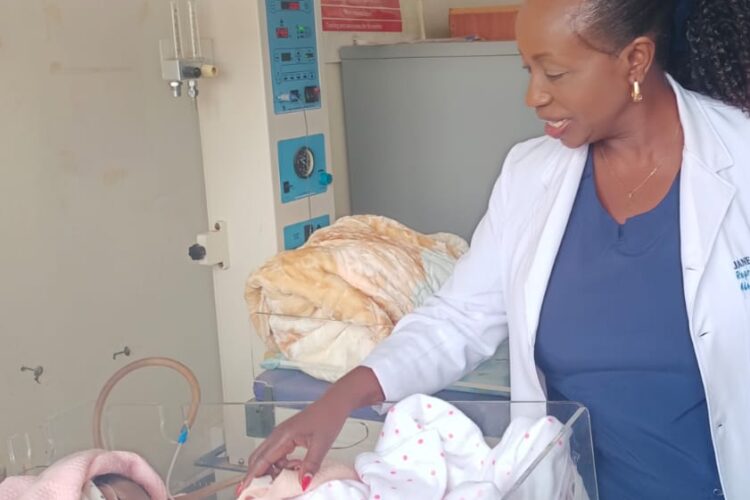
Jane Mbaluka is a midwife and reproductive health specialist with more than 15 years of experience, currently serving as Reproductive Health Units Manager at Kitui County Teaching and Referral Hospital in Kenya. She oversees maternity, the newborn unit, postnatal care, the child health clinic, family planning, and a youth-friendly clinic for teenage and young mothers. She also mentors and coaches other midwives and students during clinical rotations, educating the next generation of midwives. She’s also the elected National Treasurer of the Midwives Association of Kenya, and she’s currently completing a PhD in reproductive health.
But if you ask Jane what drives her, she starts with a clinical file, and what happens to a baby when the mother isn’t there to exclusively breastfeed the baby.
The Case That Shifted Perspectives
“When a mother sadly passes away during or immediately after delivery, we audit the death to prevent a future one and close the file.” Jane says, “but somehow we forget to open new files for their babies.”
In 2016, Jane delivered a baby whose mother died shortly after of postpartum haemorrhage, the leading cause of maternal death worldwide. Her newborn was placed in the hospital’s newborn unit, while the staff waited for relatives to collect him. A month passed and no one came.
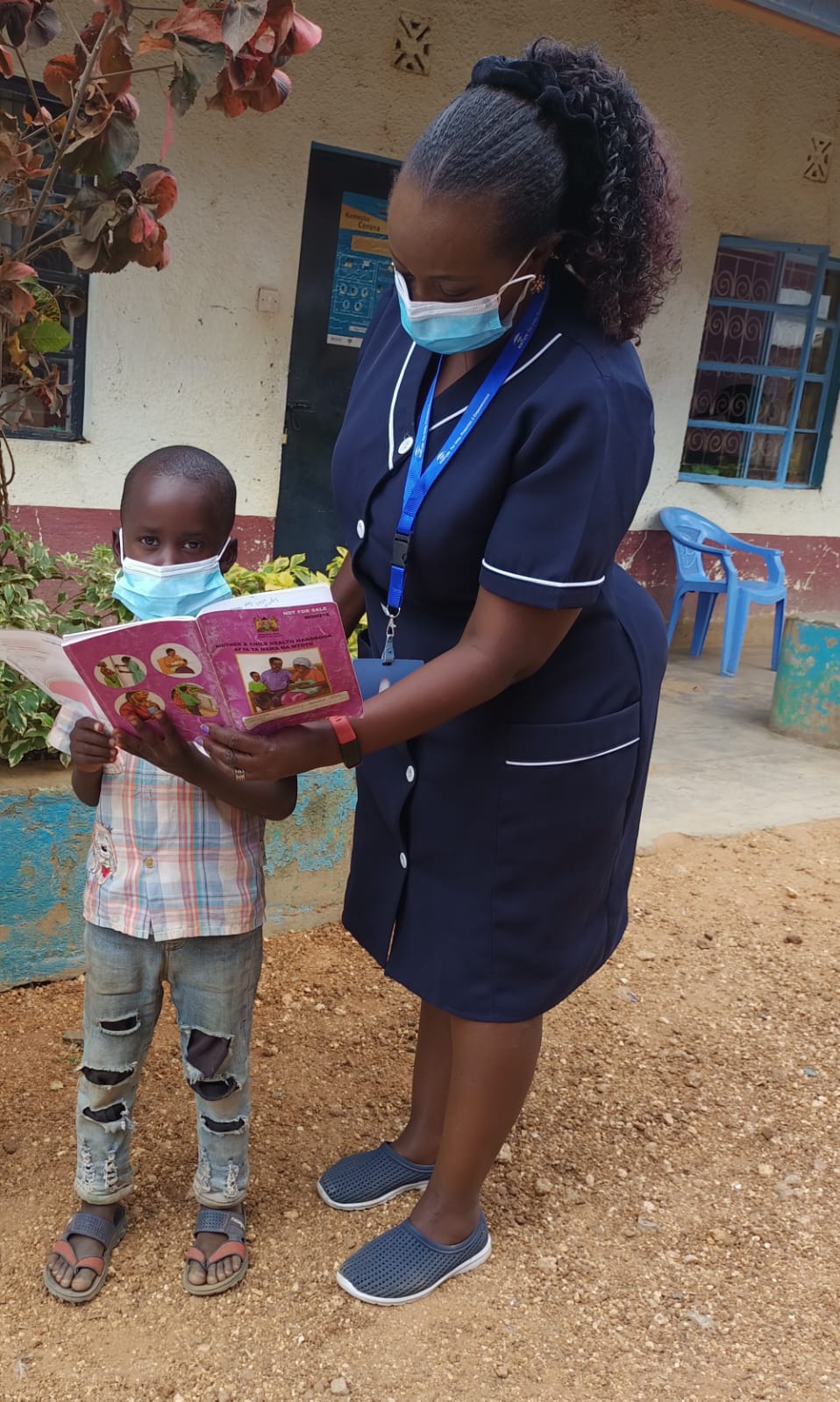 With the support of health worker Jane was able to trace the father through a home visit. She found a man living in a single room with two other young children, in a state of poverty so severe that he admitted he could not take care of another baby. He had no way to feed him, and he had no idea who could nurse and feed his child.
It’s a story Jane returns to often because, in a sort of domino effect, it started something she now considers her life’s work. Breastfeeding is one of the most powerful tools in medicine, providing antibodies, growth factors and protection against infection that no formula can fully replicate. However, it depends entirely on a mother being alive and present to give it.
That baby was eventually placed in an orphanage through a partial adoption, with his father visiting monthly. Jane followed his progress for years; she still has photos from when he turned five. It’s a pattern she has repeated many times since: when she closes a mother’s file, she opens one for the baby and keeps following it for as long as she can. And she is teaching the same to the other midwives in the hospital.
A Breastfeeding Gap With No Safety Net
The World Health Organization recommends exclusive breastfeeding for the first six months of life, and Jane fully supports that guidance. Her hospital follows the Baby-Friendly Hospital Initiative, with breastfeeding and skin-to-skin contact built into standard care.
The trouble, she explains, starts when the mother is not there to do this with.
In Kenya’s low-resource settings, formula is often unaffordable. Even when families can obtain it, they may lack safe water, sanitation, fuel or appropriate storage to prepare it safely. The Baby-Friendly framework, reasonably, does not promote formula as a first-line alternative. Yet this leaves a critical gap since there are no formal guidelines and protocols for feeding infants who cannot be breastfed in these settings.
Jane has seen families take matters into their own hands. One relative secretly wet-nursed (the practice of breastfeeding another’s newborn) an infant for months; something Jane’s team only discovered once the baby, by then nearly eight months old, began reaching for her breast. It worked out safely, once testing confirmed both the relative and baby were healthy. But Jane is candid that it easily might not have: without proper screening and support, wet-nursing can expose a baby to infections transmitted through breast milk, medications or other substances, or inadequate nutrition.
“I know the human milk banks are there,” she says, “but unfortunately in our setup, it is not possible to access them. Rural clinics often lack the refrigeration for it, and there are open questions about whether donor milk would be culturally accepted, and if women would donate the milk”.
Jane has also watched families dilute cow milk with water to feed orphaned babies, sometimes landing them in hospital with diarrhoea and malnutrition.
When There Is No Protocol, Midwives Make One
In the absence of a formal protocol, Jane has built her own, one relationship at a time.
When a mother dies, Jane does not consider her work finished once the file is closed. She works with hospital social workers to trace relatives and remains involved long after the baby’s discharge, following up with families or, if the baby is placed in an orphanage, with staff there to ensure their feeding and immunisation needs are being met. That follow-up extends into the community: Jane does outreach with neighbours and extended family, helping them understand that an orphaned baby needs the same attention as one with a living mother, since the crisis of a mother’s death tends to eclipse the quieter, ongoing crisis of how her baby will actually be fed.
She’s also made a point of teaching the midwives, interns, and nutrition staff who pass through her department to specifically watch for these babies.
In many ways, this is what midwifery looks like in a resource-limited setting: confronting a system-level problem through sheer persistence because the system has not yet caught up. Without a milk bank, a formal caregiver protocol or dedicated funding, Jane and her colleagues have traced families, helped place babies with relatives or orphanages, intervened when feeding practices put infants at risk, and ensured that dozens of children were fed safely rather than being lost to the system entirely.
It works, but it depends entirely on individual midwives noticing, remembering, and choosing to act, case by case, without standardized guidelines on care packages for the caregivers and healthcare workers. Sustainability is not promised.
One Life Is One Too Many
Jane doesn’t romanticize the work. She’s candid about the babies she’s lost track of — including one, just last month, whose mother died and who was taken abroad by relatives before Jane could confirm he was being properly fed and cared for. She’s honest, too, about the limits of what she can do alone: she cannot build guidelines alone.
What she’s asking for is institutional support: a partner or organization willing to help turn years of ad hoc effort into something formal and lasting. Concretely, that means orphaned or motherless infants captured into national breastfeeding guidance, alongside a clear clinical protocol for how to feed them safely. Covering caregiver identification and training, safe alternative feeding, and when wet nursing or milk banking might realistically be used. It also means wider public awareness, so communities recognise and support these babies and their caregivers, rather than a handful of midwives building the response from scratch, hospital by hospital.
Her message to other midwives facing the same gap, wherever they are, is simple:
“They should not give up. One life is one too many. When you save that one life for that baby, you have given a future to many more lives.”
For Jane, World Breastfeeding Week is a celebration of something she believes in wholeheartedly. But it’s also, every year, a reminder that breastfeeding guidance still doesn’t fully answer what happens to a baby when the mother doesn’t survive, and it is a further push to keep every file open and improve breastfeeding support for every newborn.