Extreme Heat: A Guide for Midwives
Background
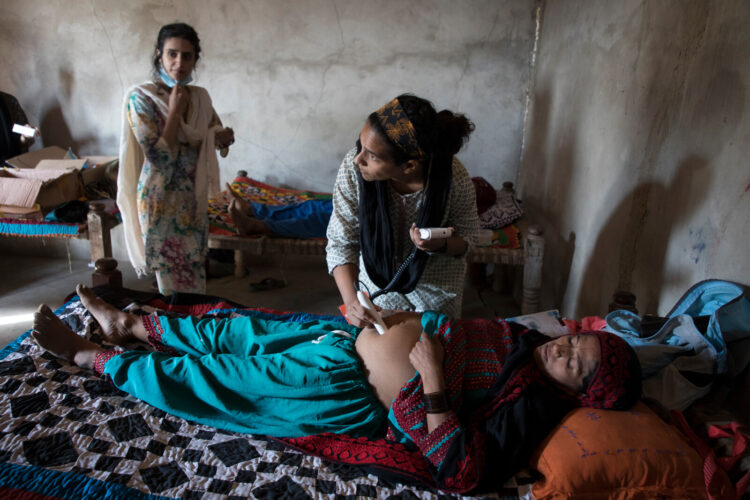
Extreme heat is an escalating global threat to sexual, reproductive, maternal and newborn health. Heatwaves are becoming more frequent, intense and prolonged, placing pregnant and postpartum women and newborns at increased risk. Extreme heat can also affect the wellbeing and performance of midwives and other health professionals, as well as the safety and resilience of health facilities.
Midwives are well placed to respond. Working across homes, communities and health facilities, they can help women and families understand the risks, recognise heat-related illness early and take practical steps to stay safe.
Extreme Heat: A Guide for Midwives connects emerging evidence with everyday midwifery practice. It provides practical, evidence-based and adaptable actions to help midwives continue providing safe, quality care in a warming world.
What you will find in the guide
The guide explores:
- The effects of extreme heat during pregnancy, labour and birth
- Risks during the postnatal and newborn periods
- The impact of heat on lactation, perinatal mental health and gender-based violence
- The combined risks of extreme heat, air pollution and wildfire smoke
- How extreme heat affects midwives, other health professionals and health facilities
- The social, economic and health factors that can increase vulnerability
- Practical adaptation actions for midwives, families, facilities, policymakers and Midwives’ Associations
- Quick-reference tables for recognising, preventing and responding to dehydration, overheating and heat-related illness
Downloadable PowerPoint tables
The guide’s quick-reference tables are also available in an editable PowerPoint format. You can use them in presentations, print them for use in health facilities or communities, and adapt or translate them to meet local needs.
Related Resources


Additional Translations
Romanian
ICM’s materials and resources are officially available in our three working languages: English, French and Spanish. This resource was voluntarily translated into Romanian by the Romanian Association of Independent Midwives.
ICM extends its sincere thanks to the translation team: Narcisa Câmpean, Melania Tudose, Mihaela Corina Radu and Răzvan Andrei Timofte.
This is not an official ICM translation, and ICM is not responsible for the accuracy of the translation.