Strengthening Midwifery in Humanitarian and Fragile Settings
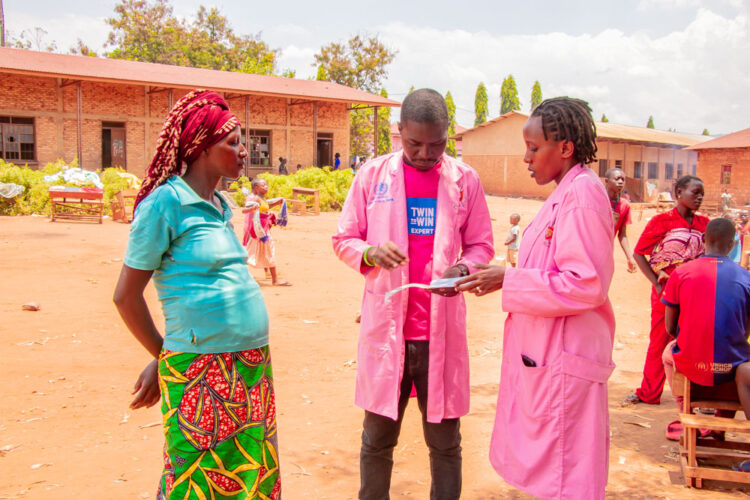
Humanitarian emergencies place women, newborns and health systems under severe pressure. While global maternal and newborn mortality has declined in recent decades, progress has largely stalled in countries affected by conflict, displacement and climate-related emergencies. These countries represent only 13% of the global population, yet account for 58% of maternal deaths, 39% of newborn deaths and 41% of stillbirths worldwide.
Midwives are essential in these settings. As trusted, community-based providers, they often continue delivering care when health systems are under strain and access to services is disrupted. Midwives can provide around 90% of essential sexual, reproductive, maternal, newborn and adolescent health interventions. Yet many midwives working in humanitarian and fragile settings do so without the recognition, resources, protection and support they need.
Climate change is adding further pressure. Extreme weather, displacement, damaged infrastructure and interrupted supply chains are affecting access to maternity and SRMNAH services, especially in communities already facing barriers to care.
Investing in midwives is one of the most effective ways to protect women and newborns in any crisis. Fully resourcing midwife-delivered care by 2035 could avert 67% of maternal deaths, 64% of newborn deaths and 65% of stillbirths, saving an estimated 4.3 million lives each year.
ICM’s five-year strategic partnership with the International Rescue Committee reflects a shared commitment to ensuring midwives are recognised, supported and equipped to deliver quality care from the onset of a crisis through to recovery.
Key challenges and midwife-identified priorities for decision-makers
Ahead of the Triennial Congress of Midwives in Lisbon in June 2026, IRC spoke with midwives working in humanitarian and fragile settings from South Sudan to Bangladesh and all over. We asked them what key challenges they are facing working in these contexts and what are do they want decision-makers, policymakers, donors and implementers to prioritize.
Key Challenges
- Working without the basics: No oxygen, no ultrasound, critical medicines running out. In some settings, delivering babies by torchlight.
- Women arriving too late: Insecurity and poor roads mean women reach care at dangerous stages, leaving midwives to manage high-risk emergencies.
- Alone in an emergency: One midwife covering everything, witnessing preventable deaths, with no colleague to debrief with and no mental health support.
- Skilled but sidelined: Trained to do more, but blocked from practicing their full scope by protocols, policies, and institutional hierarchies. They’re often the only skilled provider present and yet they’re systematically under-valued.
- Care beyond the clinical: Patients arrive carrying conflict trauma, PTSD, and deep mistrust of health systems. Midwives navigate language barriers, cultural differences around blood transfusions and C-sections, and the role of first responder to survivors of GBV without specialist training or support.
Midwife-identified Priorities for decision-makers
- Long-term sustained funding
- Adequate supplies, medicines, and transport (roads, referral vehicles, etc.)
- Specialist training on trauma informed care, GBV response, etc.
- Regular clinical updates and peer exchanges across facilities and countries
- More staff, better pay and formal recognition of the full scope of their responsibilities
- Mental health support for midwives
ICM Related Resources
This page brings together evidence, guidance, tools, and resources specific to midwifery in humanitarian, fragile, and climate-affected settings.


