One More Midwife Could Have Saved Them
Written by Lilian Nuwabaine, a PhD Candidate and clinical midwifery faculty member at Africa Health Sciences University in Kigali, Rwanda. She holds an MSc in Midwifery and Women’s Health and a BSc in Nursing. Lilian is an SRHR advocate, trainer, mentor, coach, innovator and writer, with a strong focus on advancing midwifery practice and research.
She is a multi-award-winning researcher and midwife. Her recognitions include the Episteme Global Research Award in 2025 and being named a finalist for the Aster Guardians Global Nursing Award in 2024. In Uganda, she received the Heroes in Health Award in 2021 and was named Outstanding Woman of the Year in the same year. She also serves as an Executive Sponsor in the second cohort of the ICM Midwife Leaders’ Executive Sponsorship Programme.
—————————————–
My aunt began to convulse in the middle of the night. We had no ambulance, no nearby health facility, and no one who knew how to save her. I was still a child in Buhweju, a rural district in south-western Uganda, Africa, when it happened. My aunt was pregnant, full of life, carrying a baby we were all waiting to welcome, until suddenly, everything changed. She convulsed, and panic spread quickly. With no other option, we did what many rural families still do, we started walking.
We walked more than 30 kilometers through the night, carrying her on a stretcher, carrying hope with us. Along the way, people told my parents to turn back.
They said, “We have seen this before. Women like her and their babies rarely survive.”
Regardless, my mother refused to give up. That night, for the first time in my life, I saw her cry.
By the time we reached the health facility, exhaustion had already taken its toll. The health workers tried to save her. They tried to save the baby. But it was too late. We lost them both. Years later, I would learn that my aunt’s death was not an isolated tragedy. Every day, hundreds of women die from preventable pregnancy and childbirth-related complications, most of them in rural and underserved communities like mine.
In the silence that followed that night, I made a promise to myself
“When I grow up, I will become a midwife. I will not let women and their babies die like this.”
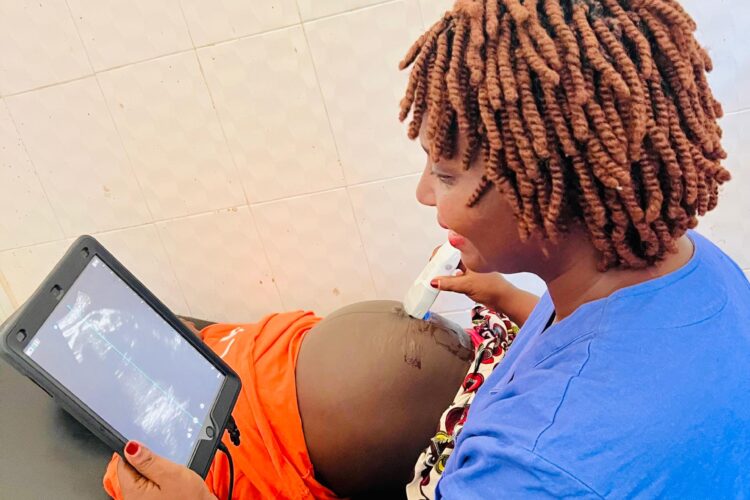
Today, my journey has taken me far, from that village in Buhweju to regional and national referral hospitals, classrooms, and health programs globally. I am now a nurse-midwife and women’s health specialist, educator, researcher, founder of Best Medical Center, working to save mothers and their babies, training future nurses and midwives, strengthening care, and ensuring that no woman or newborn is left behind simply because of where they live. To date, I have trained and mentored thousands of health workers across communities, each one equipped with skills that can save lives at the most critical moment.
Every year on 05 May, the world marks International Day of the Midwife. The 2026 theme, led by the International Confederation of Midwives, calls for “One More Million Midwives.” This message is deeply personal to me, because I know what happens when there is not even one.
I have seen how one skilled midwife can stop life-threatening bleeding after delivery, manage other complications, and help a newborn take their first breath. I have also seen what happens in their absence, long journeys, delayed care, and lives lost too soon.
The truth is simple, “no woman should have to walk 30 kilometers to give birth. No family should be told to turn back and prepare for loss. And no health system should leave its most vulnerable without skilled care.”
Yet, too many families are still walking those same roads we walked that night. Too many are still told to give up.
That is why the world does not just need more midwives. We need deliberate investment in midwifery training, deployment, and retention, especially in rural and hard-to-reach communities. Remember, behind every safe birth is a skilled hand. Behind every living baby is a fighting chance. And behind every midwife is a story like mine, born from loss, but driven by an unbreakable promise.
I could not save my aunt and her baby. However, today, through every midwife trained and every life reached, I am helping to ensure that others do not face the same fate.