Better Birth Care: Updated Standards for Midwifery Units Across Europe
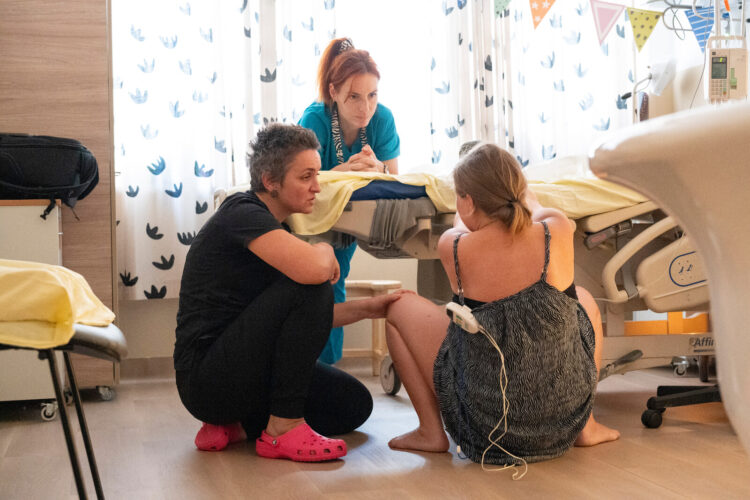
ICM has endorsed the second edition of the European Midwifery Unit Standards, a practical resource to help maternity services establish, strengthen and expand access to high-quality midwifery units. The updated Standards were launched at the Midwifery Unit Network’s Transforming Maternity Care conference in London in September 2026.
Produced by the Midwifery Unit Network and City St George’s, University of London, and endorsed by ICM and the European Midwives Association, the Standards describe the philosophy, organisation and working conditions needed to deliver safe, respectful and equitable care.
What is a midwifery unit?
A midwifery unit, also known as a birth centre, is a service where midwives are the lead care providers. Care supports the physiological processes of pregnancy and birth while addressing women and gender-diverse people’s physical, emotional, social and cultural needs.
Units can be located alongside an obstetric unit on a hospital site or in a separate community setting. Both require clear arrangements for consultation, referral and timely transfer when specialist care is needed. Depending on the service, units may also provide antenatal, postnatal and wider sexual and reproductive health care.
For women with uncomplicated pregnancies, the evidence reviewed in the Standards associates planned birth in midwifery units with fewer unnecessary interventions, positive experiences of care and favourable maternal outcomes, without compromising newborn safety. Yet access remains uneven, and midwives often face barriers including inadequate staffing, limited professional autonomy and insufficient organisational support.
What does the updated edition offer?
Building on the first edition published in 2018, the 2026 edition incorporates more recent research and experience of implementing midwifery units. The update included a systematic review drawing on qualitative evidence from 2015–2025, alongside review and discussion by an advisory group bringing together midwives, obstetricians, service users, researchers, policymakers and civil society organisations.
The Standards are organised around ten themes:
- Philosophy of care
- Equity, inclusion and accessibility
- Collaboration and referral
- Care pathways
- Staffing
- Education and training
- Facilities
- Autonomy and accountability
- Leadership
- Clinical governance
Together, they connect the care women should receive with the conditions midwives need to provide it. These include staffing that accounts for the full range of work undertaken, continuing professional development, supportive leadership, environments that protect privacy and dignity, and policies that uphold informed choice and professional autonomy.
Putting the Standards into practice
The Standards are intended for midwives and multidisciplinary teams, service managers, policymakers, commissioners and funders. They are also relevant to ambulance services and obstetric, anaesthetic and neonatal teams supporting midwifery units.
They can help users assess existing services, identify gaps, prioritise improvements and plan new units. Where midwifery units are not yet available, they provide a framework to support advocacy and service development. They complement national and local clinical guidance and build on international resources, including the ICM Essential Competencies for Midwifery Practice.
In their joint foreword, Professor Soo Downe and ICM President Alison Eddy encourage leaders to use the Standards “as part of local quality improvement” and to “take the initiative to optimise maternity care now and into the future”.
Expanding access to midwifery models of care requires investment across all elements of the ICM Professional Framework for Midwifery, creating the conditions for midwives to practise to their full scope and provide high-quality, respectful care. These Standards offer a practical contribution to that work. Their application should reflect local health systems, resources and the needs and preferences of women and communities.