El Niño: what it is and why it matters for women’s health
A hotter season, a failed harvest or a flooded road can all put women and newborns’ lives at risk. With a powerful El Niño intensifying, midwives need to understand what it is, what is expected and how to prepare themselves and the women they care for as this meteorological phenomenon grows in intensity.
What is El Niño?
 El Niño is a natural climate pattern that occurs every two to seven years. Surface waters in the central and eastern tropical Pacific Ocean warm up, changing winds, rainfall and temperatures around the world.
The current event began around June 2026 and is forecast to persist into March–May 2027, although its exact end date remains uncertain. The World Meteorological Organization warns that it could be one of the strongest on record, peaking near the end of 2026. It is occurring in a world already heated by human-caused climate change, increasing the danger of extreme heat.
El Niño has far-reaching effects, but local impacts differ. Forecasts point to drought in parts of southern Africa, Southeast Asia and the Western Pacific, including parts of Papua New Guinea, and heavier rainfall in parts of East Africa, South America and the central Pacific. North America faces shifts in winter temperatures and rainfall, while Australia faces heat risks. Disrupted food supplies and wildfire smoke can affect communities far beyond the areas hit by drought or fires.
How serious could the health impacts be?
Preliminary modelling by Climate Impact Lab projects around 450,000 additional heat-related deaths worldwide between June 2026 and February 2027, compared with an average year. This estimate covers all ages, but only heat-related deaths; flooding, disease and hunger create further threats. The Sahel region of Africa and Southeast Asia are among the areas of greatest concern. Early warning and protective action can reduce the toll.
 Heat can cause dehydration and heatstroke, and worsen existing illnesses. Changes in rainfall and temperature can favour mosquitoes, increasing the risk of malaria, dengue and other vector-borne diseases. Floods can contaminate drinking water and damage sanitation systems, increasing cholera and other diarrhoeal diseases. Drought can reduce water for hygiene and worsen wildfires and increase smoke pollution.
Crop losses due to the changing climate pattern can make food scarce and unaffordable. The World Food Programme estimates El Niño could push at least 49 million additional people across 45 already food-insecure countries into acute hunger by the end of 2027, leaving families unable to meet their daily food needs.
These consequences can last long after Pacific waters cool. Damaged clinics and water systems take time to repair, and failed harvests can affect future food supplies. Research has linked El Niño-related undernutrition in children to growth effects detectable years later.
Why women bear a disproportionate burden
In many communities, collecting water, securing food and caring for others increases women and girls’ workload and heat exposure. Displacement and financial stress can also increase the risk of gender-based violence and harm mental health.
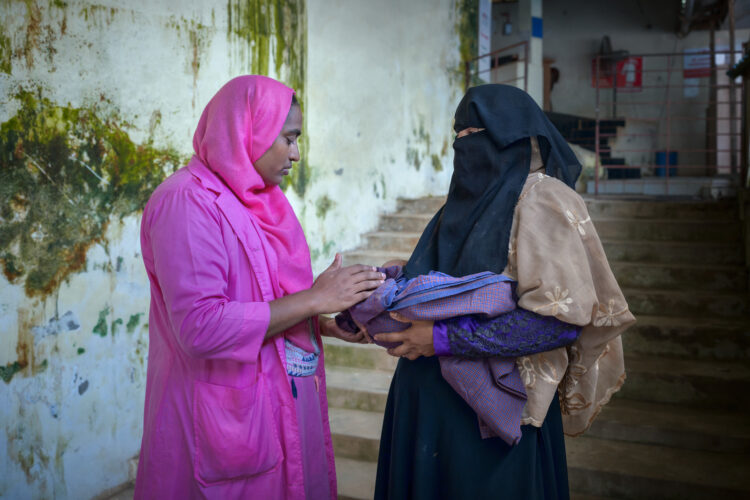
During pregnancy, heat can further increase risks for women and babies. A research review found 26% higher chances of preterm birth during heatwaves. Heat is also linked with stillbirth and low birthweight, and newborns are particularly vulnerable because their ability to regulate body temperature is still developing.
Food shortages are particularly concerning during pregnancy and breastfeeding, when nutritional needs are higher. Inadequate nutrition, alongside an increased risk of malaria in some regions, can contribute to maternal anaemia and affect babies’ growth.
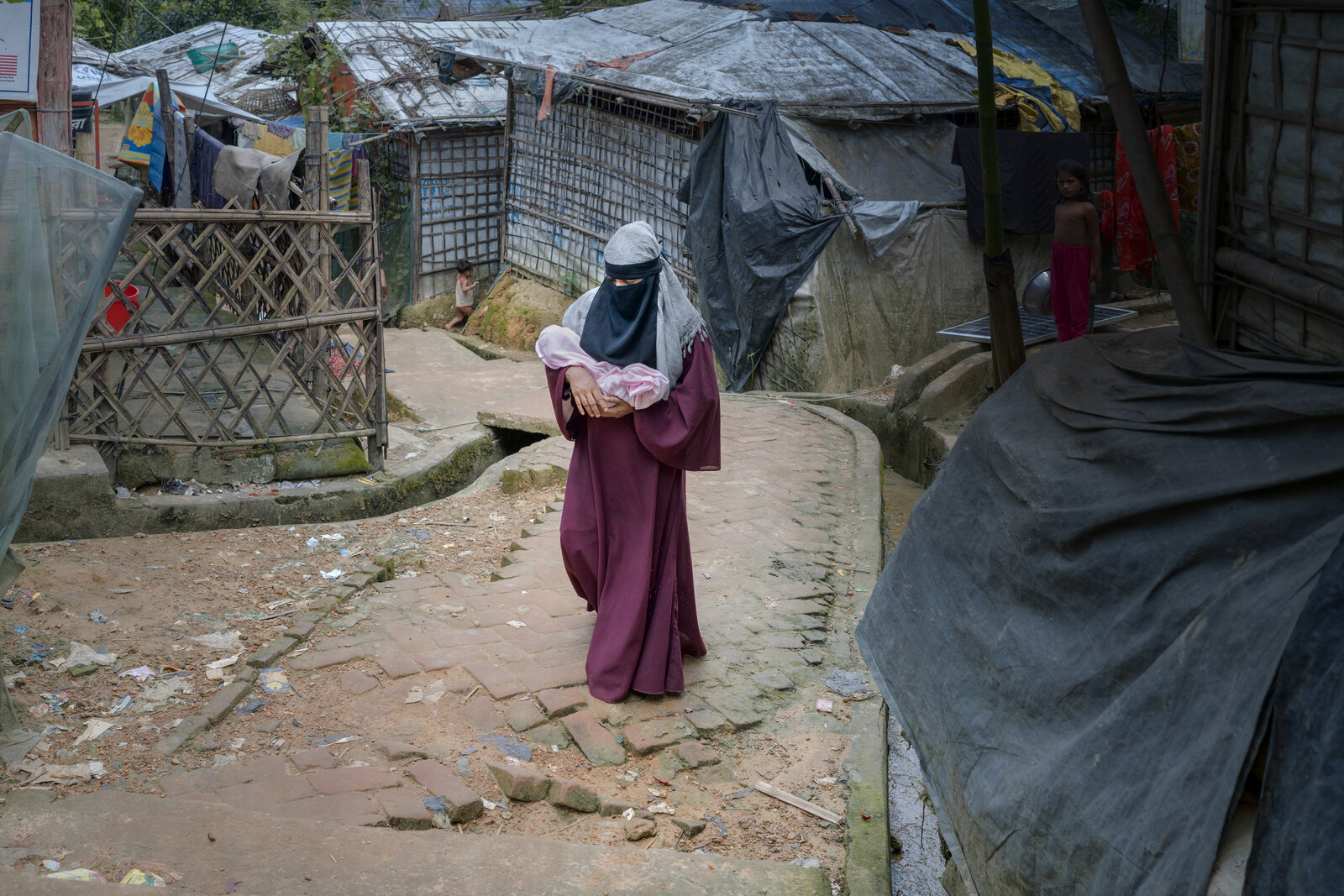
Meanwhile, damaged roads or closed facilities can interrupt access to contraceptive supplies and services, antenatal and postnatal care, and delay emergency obstetric and newborn care. Women, adolescent girls and gender diverse people may lose access to essential services, including care following sexual violence, precisely when they need them most.
How you can prepare
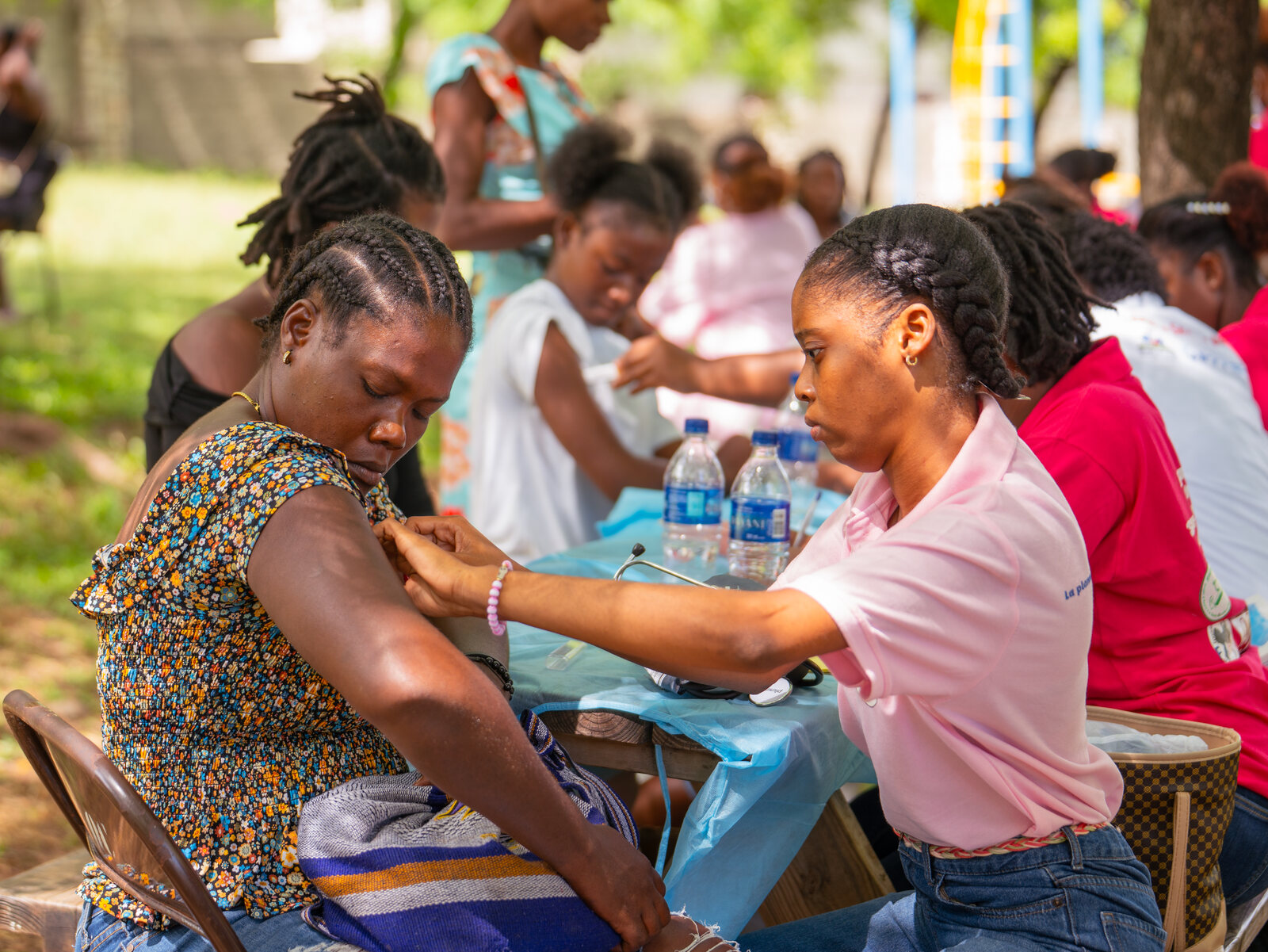
Midwives can take practical steps now, alongside women, colleagues and community leaders:
- Know your local risks. Follow national weather and public health alerts. Identify women who may need extra support, including those living far from services or without reliable water or cooling.
- Prepare with women and families. Discuss reducing heat exposure, safe drinking water, warning signs and locally relevant infection prevention. Update birth and emergency plans, including transport, alternative facilities and contact numbers if usual services become inaccessible.
- Check your clinic’s readiness. Work with colleagues to review water, power, cooling, essential supplies, staff safety and referral arrangements.
- Advocate for community preparedness plans. Ask local health authorities to involve midwives, midwives’ associations and women in planning. Ensure sexual, reproductive, maternal, newborn and adolescent health needs are included, with funding, clear responsibilities and support for displaced women and girls.
Governments and health services must provide training, resources and safe working conditions so this preparation is possible.
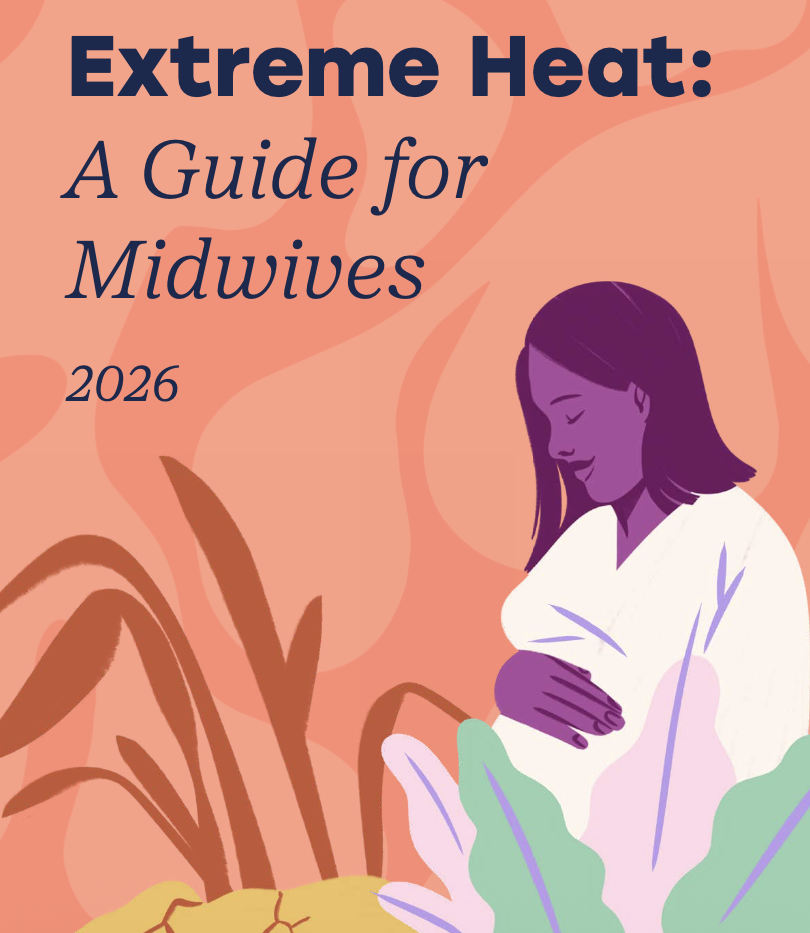
Extreme Heat: A Guide for Midwives
Our new guide offers practical actions for protecting women, newborns and midwives.
The guide explores:
- The effects of extreme heat during pregnancy, labour and birth
- Risks during the postnatal and newborn periods
- The impact of heat on lactation, perinatal mental health and gender-based violence
- The combined risks of extreme heat, air pollution and wildfire smoke
- How extreme heat affects midwives, other health professionals and health facilities
- The social, economic and health factors that can increase vulnerability
- Practical adaptation actions for midwives, families, facilities, policymakers and Midwives’ Associations
- Quick-reference tables for recognising, preventing and responding to dehydration, overheating and heat-related illness