How Waminda’s midwives are supporting Aboriginal families
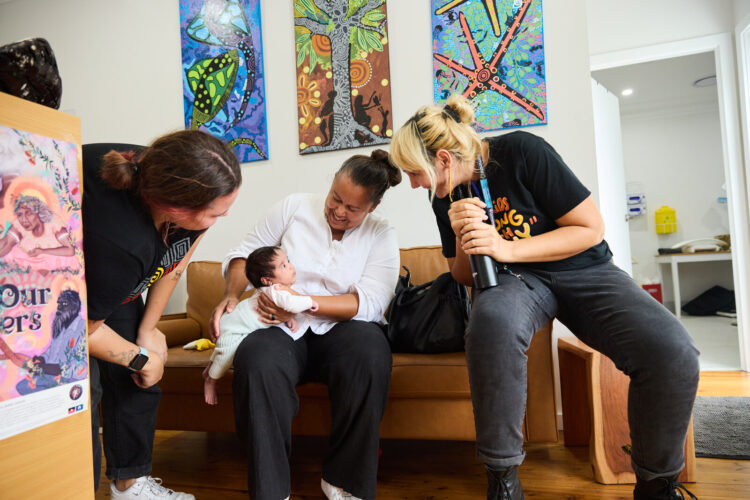
For the International Day of the World’s Indigenous Peoples, ICM spoke with Melanie Briggs from Waminda, an Aboriginal Community Controlled Health Organisation in New South Wales, Australia, about how its Birthing on Country model brings together culturally safe, community-led care and the work of professional midwives.
Care begins with trust
Safe maternity care is not only about services being available. It is about whether women feel heard, respected, and able to trust the people providing their care.
For Aboriginal women in the Shoalhaven region of New South Wales, accessing health care has too often meant entering systems where their culture was not understood and their voices were not centred. Waminda was established in response to this.
The organisation began in 1984, initially known as Jilimi. An Aboriginal Health Worker worked alongside a midwife from the local health district to provide maternity care to Aboriginal families. In 1990, the service became Waminda.
The service was set up in response to significant and persistent maternal and neonatal health inequalities experienced by local Aboriginal women and families. These outcomes reflected systemic failures, including the absence of culturally safe services for Aboriginal women, newborns and children.
Waminda added antenatal and postnatal care to its services in 2010. Since then, its services have expanded to include continuity of midwifery care and support for women during labour and birth at the local hospital.
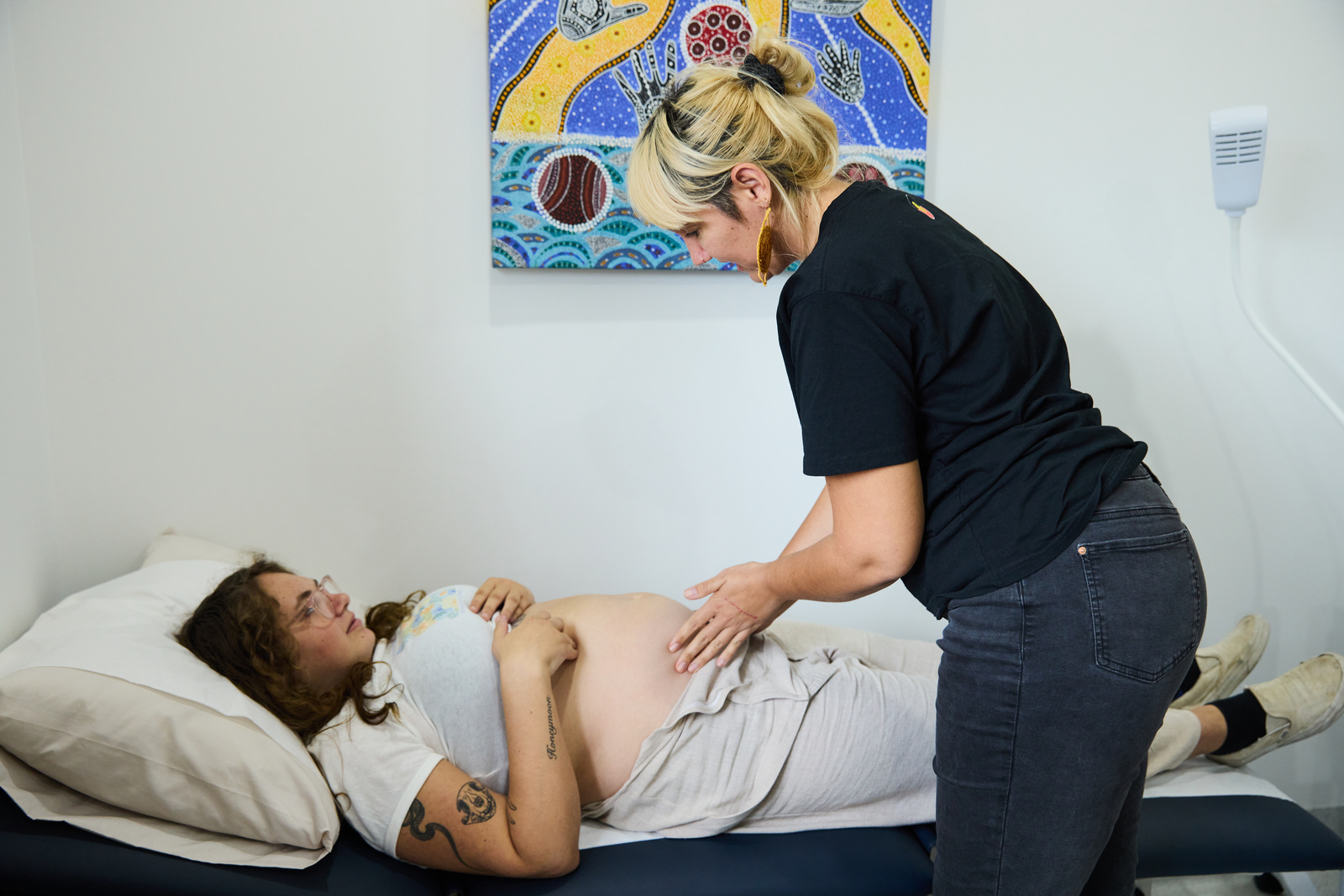
Why culturally safe care matters
Colonisation disrupted and, in many cases, erased Aboriginal women’s birthing practices, including the use of traditional medicines and giving birth on Country at sacred sites. Today, Aboriginal women continue to experience racism, judgement, and a lack of cultural safety within mainstream services. Some also carry fear of surveillance or child removal. These experiences shape whether women feel able to access care at all.
“Culturally safe care ensures Aboriginal women’s voices are heard, respected and central to decision-making,” Melanie told ICM.
When women feel safe in a service, they are more likely to speak openly, raise concerns early, and stay connected to care. That relationship is a core part of clinical care. It shapes engagement, continuity and outcomes for both women and newborns.
Waminda recognises that women’s health needs go far beyond pregnancy and birth. That’s why the service works to ensure women are supported to access care for nutrition, diabetes, breastfeeding, sexual and reproductive health, and support in navigating mainstream health systems.
Data from Waminda’s programmes shows that every woman receiving maternity care also had at least six consultations with other Waminda services. For Waminda, maternity care sits within a wider system of ongoing care.
Birthing on Country
Waminda’s Birthing on Country initiative is a comprehensive programme for Aboriginal women, newborns, and families. It is led by local Aboriginal women and delivered through an Aboriginal Community Controlled Health Organisation.
Through the Minga Gudjaga programme, women receive continuity of care from a known midwife, with 24/7 support across pregnancy, labour, birth, and the postnatal period. Care is provided across home, community, and hospital settings. The programme also includes child and family health care from birth to school age, alongside sexual and reproductive health services.
Cultural governance is central to the model. Elders, Aboriginal knowledge holders, and community members guide its cultural direction and ensure accountability to community.
At the core of the model are educated, regulated midwives. Melanie explained how their professional expertise works alongside Aboriginal knowledge and cultural authority:
“Midwives contribute professional knowledge, clinical assessment, risk identification, education, and evidence-based maternity care, while Aboriginal knowledge holders, Elders, and community guide the cultural foundations of the model. This ensures care is not only clinically safe, but also culturally safe, relational, holistic, and grounded in local Aboriginal values and practices.”
Waminda has also invested in strengthening its midwifery workforce. This includes supporting midwives to complete further approved study and gain endorsement through the Australian Health Practitioner Regulation Agency. It has also secured hospital visiting rights so Waminda midwives can continue to provide intrapartum care at the local hospital.
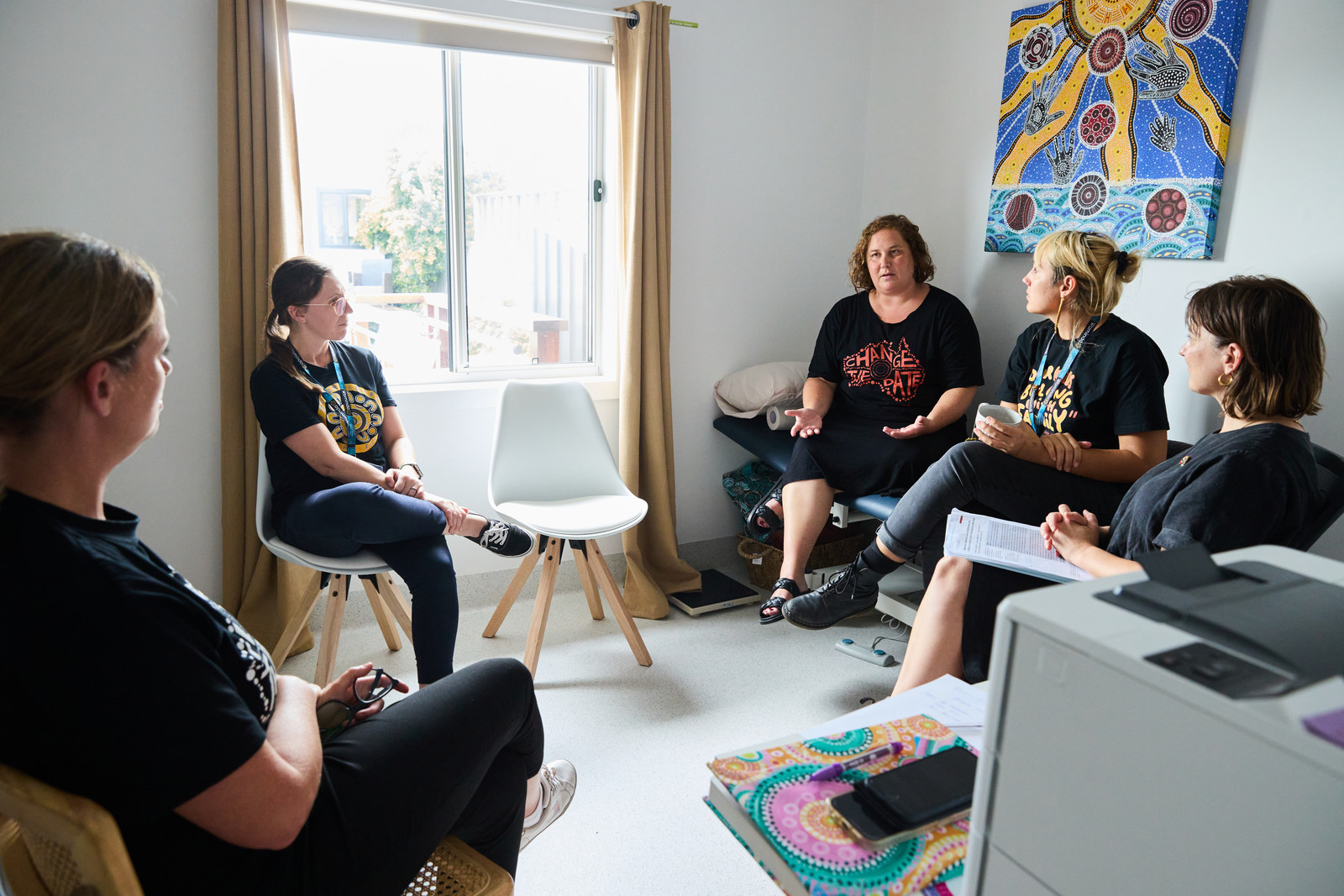
A model showing results
Waminda reports measurable changes in outcomes for women and newborns accessing its services. These include reduced rates of intervention, such as induction of labour and caesarean section, and an increase in births at term.
Early findings also show that women describe feeling strong, supported and satisfied with their care. There is increasing interest in cultural practices being embedded throughout pregnancy and birth. In response, Waminda has developed a programme that incorporates traditional birthing knowledge and supports women to learn and practise cultural knowledge across the perinatal period.
The model has not been simple to build. Waminda has had to navigate regulatory frameworks, insurance requirements, workforce pressures, service design challenges, and differing interpretations of what Birthing on Country should look like in practice.
Alongside service delivery, it has spent years advocating across government and health systems, building relationships at local, state, and national levels. It also delivers decolonisation workshops for non-Aboriginal stakeholders, examining how local histories and racism shape perceptions of Aboriginal people and how this affects care.
Lessons for health systems
Waminda’s experience makes clear that culturally safe care is not achieved by adapting existing services at the margins. It requires health systems to listen, properly and consistently. Services must be shaped by what communities identify as their needs, not only by institutional frameworks. At the same time, midwives must be supported as regulated health professionals, with the conditions, education and continuity required to provide safe care.
Waminda shows what becomes possible when ancestral knowledge, formal education, and sustained advocacy come together in one model of care. It reflects the long-standing commitment and determination of Aboriginal communities to secure maternity care that is culturally safe, locally grounded and centred on their needs and aspirations.
On the International Day of the World’s Indigenous Peoples, Waminda’s experience carries a wider message for health systems serving Indigenous Peoples around the world. When midwives work alongside Aboriginal and other Indigenous knowledge holders, Elders and communities with clarity, respect and shared purpose, care can become safer, more accessible and more responsive to women, newborns and families.