When Midwives Find Their Voice Online: Stories from the BRIDGE Programme
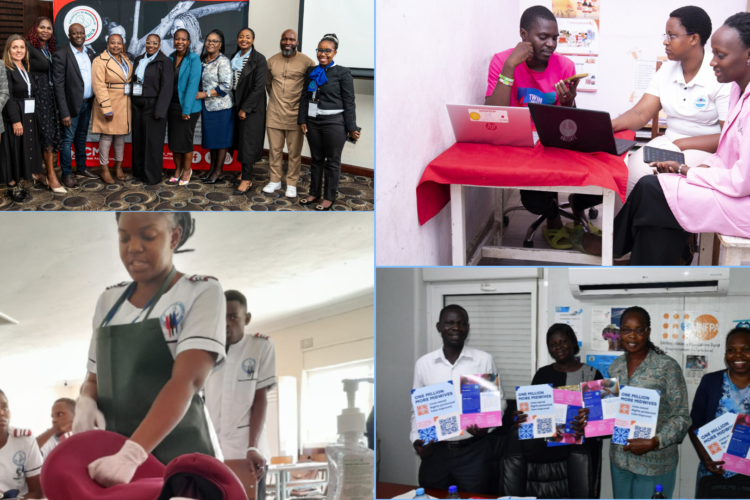
Midwives save lives, that much is indisputable. But in an increasingly connected world, their ability to communicate what they do, make the case for the profession, and reach the people who need them most depends on more than clinical expertise, it depends also on being seen and heard online.
That’s the premise behind BRIDGE — Building Resilience in Digital Growth and Engagement — a programme run by Lightful, in partnership with the ICM, with support from the Gates Foundation. Over 18 months, BRIDGE worked alongside more than 25 midwives’ associations (MAs) across Africa, the Eastern Mediterranean, and South-East Asia, helping them build the digital skills to tell their stories, advocate for change, and sustain their work long into the future.
The programme is deliberately practical. Through live webinars, one-to-one coaching, and self-paced learning via the Lightful Academy, it meets associations where they are — many of which identified themselves as being at an early stage of digital adoption when they first joined. BRIDGE focuses on strategic storytelling, digital campaigning, and accessible tools that support not just day-to-day communication, but longer-term goals like fundraising and policy influence. Participation grants have also allowed associations to address the basics: improving internet connectivity, buying equipment, launching campaigns, and training more midwives to contribute their own stories. Many associations then joined BRIDGE Advanced, a six-month follow-up course that deepened that foundation further.
The numbers behind the impact are striking. But what the numbers don’t always show is what changed first: confidence.
South Sudan: Digital Skills in a Fragile Context
For the South Sudan Nurses and Midwives Association (SSNAMA), the BRIDGE programme’s online digital training did something foundational: it helped members learn how to use digital platforms for health advocacy and public awareness — many for the first time. That included setting up Facebook pages and WhatsApp groups to share accurate information on maternal and newborn health.
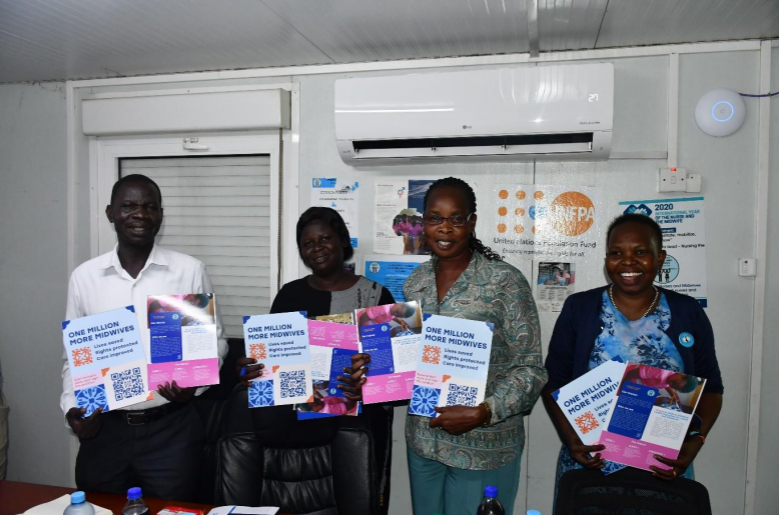 In a country where maternal health remains a critical and underfunded priority, this matters enormously. SSNAMA has reached more than 2,000,000 people with sexual and reproductive health and rights (SRHR) messages through radio talk shows, medical camps, and community awareness initiatives.
Perhaps the most impactful story comes from Amal Hellen Lam, a fistula survivor who shared her experience at Goram Refugee Camp. That single act of storytelling helped 20 women come forward, 17 of whom received life-changing surgery.
“When survivors speak, stigma breaks and hope begins.”
SSNAMA is now seeking funding to scale operations across workforce training, policy advocacy, and rural medical camps.
South Africa: From Members to a Movement
When the Society of Midwives of South Africa (SOMSA) joined BRIDGE, the association had a small but committed membership. The ripple effects of the programme have since been felt in ways that go well beyond the digital space.
SOMSA’s 19th Annual Congress, became a key moment for the profession in South Africa, bringing together practitioners, researchers, and global leaders. Membership has grown from 10 members to over100 in 2026, and SOMSA now has its first-ever centres in Gauteng and Cape Town. Their social media following has also grown across every platform they use.
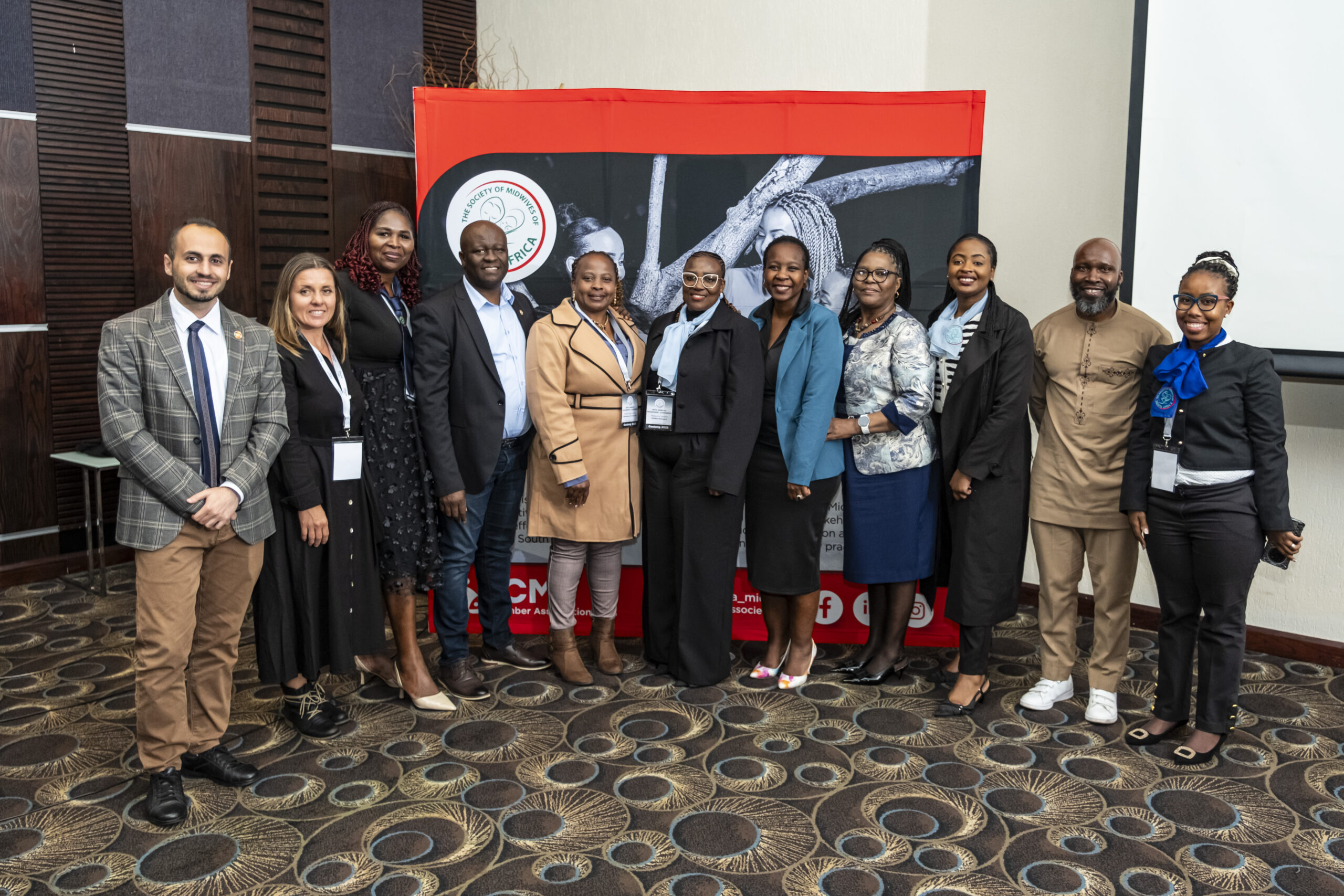 The association is direct about what drove this: BRIDGE Advanced enabled growth in membership numbers, social media following, and the number of midwives attending the annual Congress. This is what organisational resilience looks like in practice. Not just more followers, but more midwives who feel part of something.
SOMSA is now seeking funding to reach 1,000 South African midwives and to expand train-the-trainer sessions across all nine provinces, training midwifery experts per province in the management of postpartum haemorrhage. Their digital growth is the platform from which this next chapter of their growth can be told.
Zambia: Equipping Midwives with Digital Advocacy
For the Midwives Association of Zambia (MAZ), the BRIDGE programme transformed into the tools and confidence they needed to take their advocacy online. Over the course of the project, MAZ ran a digital advocacy campaign using various online platforms to share information and mobilise engagement around maternal and newborn health — with midwives playing an active role in developing the content. That participatory approach meant the messaging was grounded in real healthcare experience, and that midwives began to see themselves not just as practitioners, but as advocates.
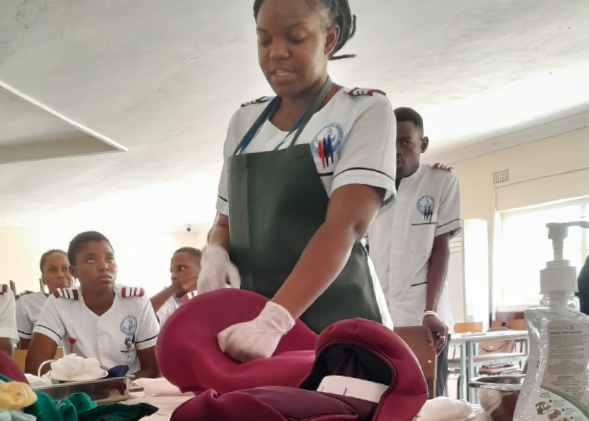 The association also engaged stakeholders at multiple levels, from the District Commissioner to health facility staff to the Nursing and Midwifery Council of Zambia, using digital platforms to share their impact and strengthen collective ownership of the work.
Now, MAZ is planning to train and equip 2,500 more midwives and midwifery educators over three years. They want to engage community and religious leaders, conduct workshops, and reach more student midwives – and digital skills are a core part of how their message will reach the right audiences.
Burundi: New Opportunities, Unlocked by Digital Visibility
When Midwife in Action Association (MAA) in Burundi completed the BRIDGE programme, the change was immediate and practical. The association strengthened its digital platforms, sharpened its storytelling, and began regularly sharing the work of their team in the field. Making their impact visible to partners and communities in real time. What had previously been difficult to communicate was now consistently documented and shared online, building a picture of an organisation that was professional, active, and effective.
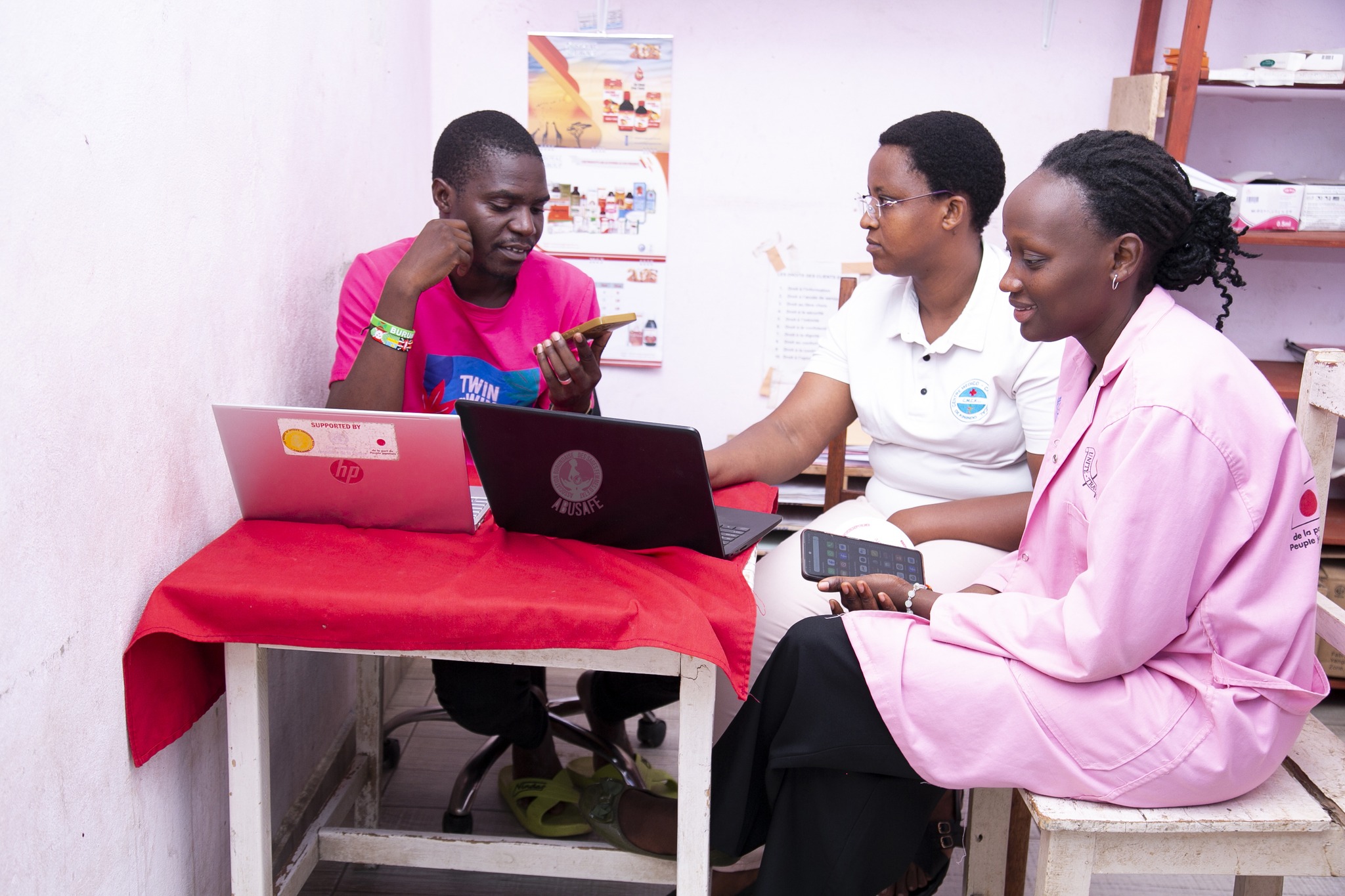 And that visibility brought real change. Shortly after completing the BRIDGE programme, MAA was selected by the World Health Organization Burundi to implement a mobile clinic project providing services to refugees from the Democratic Republic of Congo.
“One of the reasons MAA was chosen is that our digital platforms now provide strong visibility for what WHO Burundi and our team are accomplishing in the field.” says Augustin Harushimana, President of MAA.
After the success of this programme and its impressive consequences, new funding would allow MAA to train 100 additional midwives, reach 10,000 more women and adolescents, and expand mobile clinics to four additional humanitarian sites.
What This Programme Has Meant
Taken together, the four associations tell a story of extraordinary work —digitally training hundreds of healthcare workers, reaching millions of people, influencing national policy. The BRIDGE programme has helped these four associations, as well as the other participants around the world, to do something they were not previously equipped to do: communicate their work in ways that create accountability, build trust, and attract the investment they need to go further.
Digital capacity is not a luxury for large global organisations. It is the infrastructure through which advocacy grows, stories reach funders, and members feel seen and part of a community that transcends a single location. BRIDGE also points to something larger, a case for what becomes possible when midwives’ associations are properly resourced, not just with funding, but with the organisational and technical capacity to act on it.
When associations have both, they become catalysts. They can drive the integration of continuity of midwife-led care into national health systems. They can offer localised, collaborative, and equitable approaches to improving the quality of sexual, reproductive, maternal, newborn, and adolescent health (SRMNAH) care in ways have greater impact. They know their communities, they know their health systems, and they know what needs to change, they just need the tools and support to make that case and act on it.
That is precisely what makes investments in programmes like BRIDGE so significant. The funding required to run a programme of this kind is modest relative to the outcomes it unlocks. And as this programme has shown, when you give midwives the confidence and capacity to tell their story, the impact speaks for itself.