The Evidence is Out: Why the World Needs One Million More Midwives
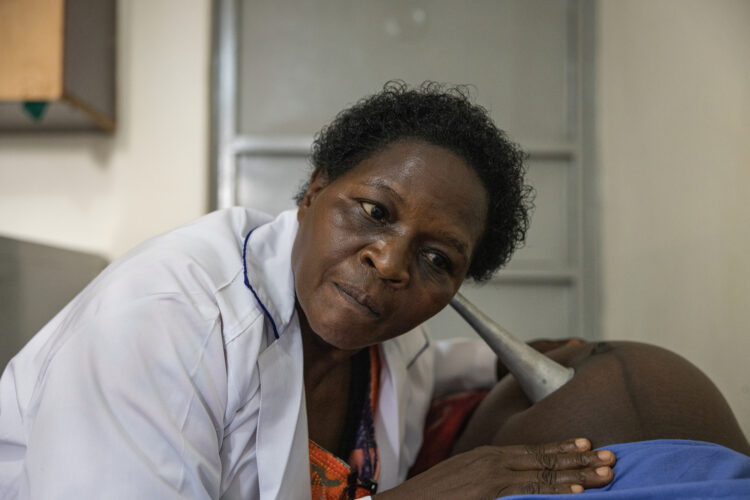
 New global research confirms what midwives, women and health systems have been experiencing for years: the world does not have enough midwives.
A comprehensive new analysis of the global midwifery workforce shows that nearly one million additional midwives are needed to meet the needs of women and newborns worldwide. This is not a distant projection or a worst-case scenario. It is a picture of the reality facing health systems today, and it helps explain why so many women struggle to access quality care before, during and after pregnancy.
How the shortage was calculated
The study analysed data from 181 countries, representing 82% of the world’s women of reproductive age, making it the most comprehensive post-COVID assessment of the global midwifery workforce to date.
Rather than simply counting how many midwives are currently employed, researchers compared two critical elements:
- the health needs of the population, based on fertility rates and demand for sexual, reproductive, maternal, newborn and adolescent health (SRMNAH) services; and
- the services midwives are trained and able to provide, across the full scope of midwifery practice.
By assessing how many midwives are required to meet population needs, and comparing this with how many are actually available and deployed, the analysis found a global shortfall of around 980,000 midwives.
Why this shortage matters for women and babies
 Midwives can provide around 90% of essential sexual, reproductive, maternal, newborn and adolescent health (SRMNAH) services. Evidence shows that universal access to midwife-delivered care could prevent two-thirds of maternal and newborn deaths and stillbirths, while even modest increases in coverage could save more than one million lives every year.
When midwives are missing, the consequences are felt immediately. Health systems become overstretched, care becomes rushed and fragmented, and women are more likely to experience unnecessary interventions, poor-quality care or mistreatment. High rates of caesarean sections, unmet need for family planning and obstetric violence are all linked to health systems that do not have enough skilled, supported midwives.
This is why the midwife shortage is not only a workforce issue. It is a quality, safety and rights issue for women and newborns.
A global problem, with unequal impacts: A regional analysis
The study shows that midwife shortages exist in every region and income group, but the scale and consequences vary widely.
Africa accounts for nearly half of the global midwife shortage, despite being home to less than one-fifth of the world’s women of reproductive age. Around nine in ten women in the region live in a country with a shortage of midwives, and many of these countries also have some of the highest maternal mortality rates in the world. While recent investments in midwifery education mean the gap has begun to narrow slightly, population growth and weak workforce planning mean the shortage remains the most severe globally.
In the Eastern Mediterranean, around 69% of the midwives needed are missing, a gap often compounded by humanitarian emergencies, displacement and fragile health systems that disrupt access to care.
The Americas face the highest proportional shortage of any region, with gaps representing around 85% of the midwives needed to meet population demand. In many countries, this means the workforce would need to increase around seven-fold to provide adequate care.
Even Europe, one of the world’s best-resourced regions, is not immune. Eleven countries in the region face a midwife shortage, driven largely by burnout, poor retention and challenges with employment and deployment. Although Europe has the smallest proportional shortage globally, the impact on care quality and workforce wellbeing is still significant.
South East Asia shows that progress is possible. The region is home to around 28% of the world’s women of reproductive age, yet accounts for only a small share of the global shortage under the most comprehensive data scenario. This reflects sustained investment in midwifery education, stronger integration of midwives into health systems, and deliberate workforce planning in several countries.
However, the study also highlights important limitations behind these headline figures. In parts of South East Asia, shortages are unevenly distributed, with rural, remote and marginalised communities facing much greater gaps than national averages suggest. Data gaps in some countries, combined with differences in how nurse-midwives are counted and regulated, may also mask underlying shortages. As a result, the region’s relative strength remains fragile and dependent on continued investment, accurate workforce data and policies that enable midwives to practise to their full scope.
Training is not enough: the importance of deployment and retention
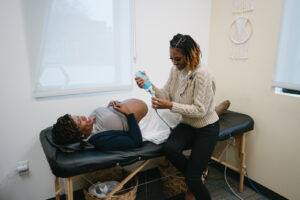 One of the most important findings of the study is that the shortage is not only about how many midwives are trained. In many countries, midwives are educated but not absorbed into the workforce, not deployed where women need them, or not enabled to practise to their full scope.
How countries classify and deploy midwives also matters. Depending on whether nurse-midwives are counted as providing full midwifery care or not, the estimated global shortage can vary by hundreds of thousands. This highlights the importance of regulation, professional recognition and clear scope of practice.
Crucially, the analysis also shows that retention is as important as training. Without action to improve pay, working conditions, safety and professional recognition, countries risk losing the midwives they already have. When experienced midwives leave the profession due to burnout or poor conditions, shortages grow rather than shrink.
Conversely, when midwives are recognised, respected and supported, the profession becomes more attractive, encouraging more people to train as midwives and helping to rebuild and sustain the workforce over time.
What happens if we do nothing
Even if current training rates continue, the study projects that the global shortage will remain between 690,000 and 830,000 midwives by 2030, as population growth continues to outpace workforce expansion.
This means that without decisive action, millions of women will continue to face barriers to quality care, and global efforts to reduce maternal and newborn deaths will fall short.
Turning evidence into action: One Million More Midwives
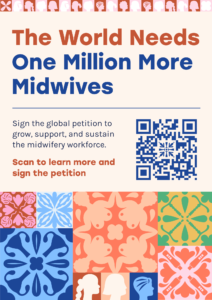 The evidence is clear, and so is the solution. To overcome the global shortage, governments must invest not only in training more midwives, but in keeping the midwives we already have.
Through its One Million More Midwives global petition, launched last year, the International Confederation of Midwives is calling on governments to take urgent action to strengthen and sustain the midwifery workforce. The petition urges investment in fair pay, safe working conditions, professional recognition, leadership opportunities and deployment models that allow midwives to work to their full scope of practice.
When midwifery is a respected, well-supported and stable profession, more women are motivated to train as midwives and to stay in the workforce. This delivers a double benefit: better health outcomes for women and newborns, and stronger, more sustainable health systems.
The research leaves no room for doubt. Addressing the global midwife shortage is one of the most effective, evidence-based actions governments can take to improve health, protect rights and save lives. The question now is whether they will act.
Add your voice to the call for One Million More Midwives and help turn evidence into change.
The world needs One Million More Midwives
Sign the petition and help us collect one million signatures to demand one million more midwives — and the investments needed to make it happen.