Statement on the Escalating Situation in the Middle East
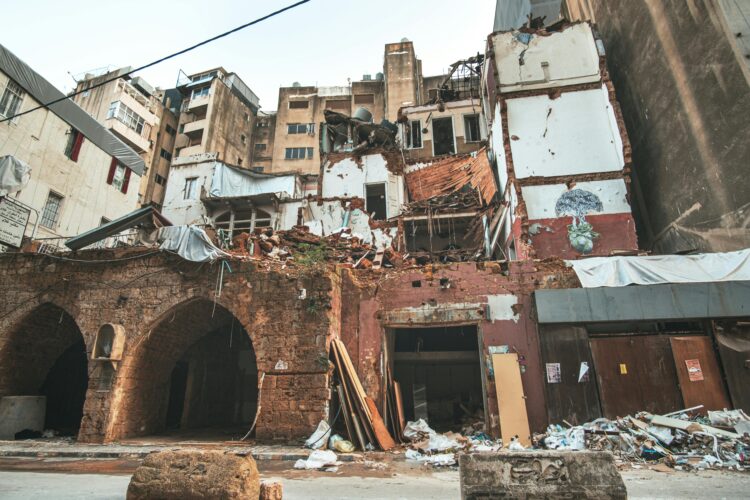
The International Confederation of Midwives (ICM) is carefully monitoring the escalating situation across the Middle East, including Lebanon, Iran, Gaza and surrounding areas, and the impact on women, newborns, health professionals, and communities across the region. We are also deeply concerned about rising geopolitical tensions, increasingly hostile rhetoric, and policy decisions that risk further harm across the world.
According to the World Health Organization, as per 9 April 2026, over 120 attacks on healthcare have been verified across Lebanon and Iran in the past month alone, including 87 in Lebanon and at least 28 in Iran. These attacks have resulted in deaths and injuries among health workers and are further limiting access to essential care.
Health systems across the region are under severe pressure. Shortages of medicines, fuel, and supplies, as well as the closure of health facilities, are disrupting the provision of services, including sexual, reproductive, maternal, newborn and adolescent health services. In Lebanon, dozens of primary health centres have been forced to close, while in Gaza, hospitals continue to operate under critical shortages.
ICM is particularly concerned about the direct impact on women and newborns lives and wellbeing. Reports indicate that over 13,500 pregnant women are currently displaced in Lebanon, many of whom are giving birth in unsafe and overcrowded conditions without access to a midwife. Disruptions to services and damage to health infrastructure are removing access to essential care at the time it is most needed.
Healthcare workers, including midwives and student midwives, must be able to provide care without fear, coercion, or retaliation. Health facilities, including maternity hospitals and community health centres, must remain safe spaces. We fully align with UN Security Council Resolution 2286, which condemns attacks against healthcare professionals, including midwives. Under all circumstances, healthcare services must be protected.
Across the region, large-scale displacement and disruption are further limiting access to care. Families are being displaced multiple times, and overcrowded shelters with limited access to water and sanitation are increasing public health risks. These conditions are contributing to a rise in complications for women and newborns and disrupting continuity of care. This is compounded by the environmental impact of ongoing conflict, including damage to infrastructure, water systems, and living conditions, which further affects civilian health and well-being.
Women and girls are especially vulnerable in times of unrest. Disruptions to women’s healthcare, including care provided by a midwife, can have immediate and long-term consequences. The safety and security of pregnant women, newborns, adolescents, and those seeking care must be guaranteed.
At the same time, political leaders are using more extreme and threatening language, governments are passing discriminatory laws, and hasty political decisions by high resource countries are having enormous implications on countries in the Eastern Mediterranean Region and far beyond. These trends also intersect with threats to women’s rights and the degradation of health systems. When leaders normalise inflammatory rhetoric, it doesn’t stay contained, it fuels further violence and makes peace harder to achieve.
In rapidly evolving and highly restricted information environments, misinformation can spread quickly and place people at further risk. ICM encourages all individuals and organisations to rely on verified and official sources of information when sharing or acting on developments.
ICM calls on all authorities to:
- Protect the lives and safety of civilians, including women and newborns.
- Ensure that midwives and other healthcare workers are safe and can provide services without fear, intimidation or interference.
- Safeguard health facilities and guarantee uninterrupted access to essential health services.
- Ensure safe humanitarian access and the delivery of essential supplies.
- Publicly reject hateful rhetoric and discriminatory laws, reaffirm their commitment to human rights and international law, and refuse to stay silent when leaders threaten civilians or dismiss international legal protections.
ICM also urges the international community to prioritise diplomatic efforts that reduce violence, protect civilians, and support humanitarian principles that uphold the right to health and dignity.
ICM stands in solidarity with midwives, and especially with our member associations across the region, as well as with all health professionals working under difficult and dangerous conditions. We recognise the emotional and psychological toll that violence and instability can have on health professionals and communities.
The rights, dignity, and safety of women, newborns and those who care for them must be upheld at all times. Hospitals, women, and midwives must never be targets. Peace is essential for families to thrive and for midwives to provide the care that communities depend on. Silence or complicity in the face of dangerous rhetoric only accelerates the erosion of rights and stability. We all have a responsibility to break cycles of dehumanisation, not reinforce them.