Midwives Supporting Survivors of Gender-Based Violence in Burundi
Globally, an estimated 840 million women – almost one in three – have been subjected to physical and/or sexual violence at least once in their life. Women who have experienced gender-based violence (GBV) are more likely to suffer from depression, anxiety disorders, unplanned pregnancies, sexually transmitted infections and HIV.
Over the last year, Burundi has been facing an unprecedented economic crisis, with more than half of the population living in poverty and experiencing shortages of fuel, water and electricity. These shortages have had a direct impact on public services, including the delivery of health care.
At the same time, as conflict continues in the eastern regions of the Democratic Republic of the Congo, thousands of people have crossed the border into Burundi – a movement that the UNCHR describes as the largest influx the country has experienced in decades.
In situations like this, interlocking crises – including climate change, conflicts, and economic instability – intensify gender-based violence, with women facing disproportionate risks and multiple, intersecting forms of discrimination.
In this context, and as part of the 16 Days of Activism against Gender-Based Violence, we want to highlight the exceptional work carried out by the Midwife in Action Association in Burundi. Working closely with UNFPA, the Gender Department of the Government of Burundi and local organisations, the association provides essential sexual, reproductive, maternal, newborn and adolescent health services, with a strong focus on person-centred care for survivors of gender-based violence.
Midwives providing lifesaving care in conflict and refugee settings
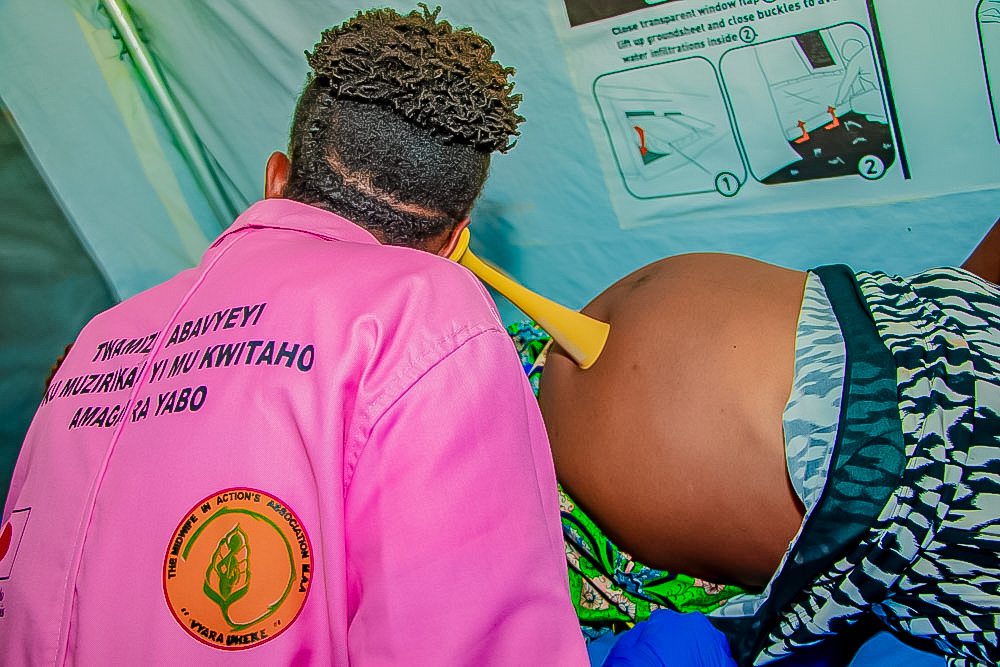
Midwives working in crisis-affected areas and refugee sites play a crucial role in providing medical and psychological care to survivors of conflict and GBV. Their work includes supporting antenatal and postnatal care, offering family planning services, ensuring systematic screening for sexually transmitted infections (STIs), providing newborn immunisations, and delivering sexual and reproductive health (SRH) education for young people.
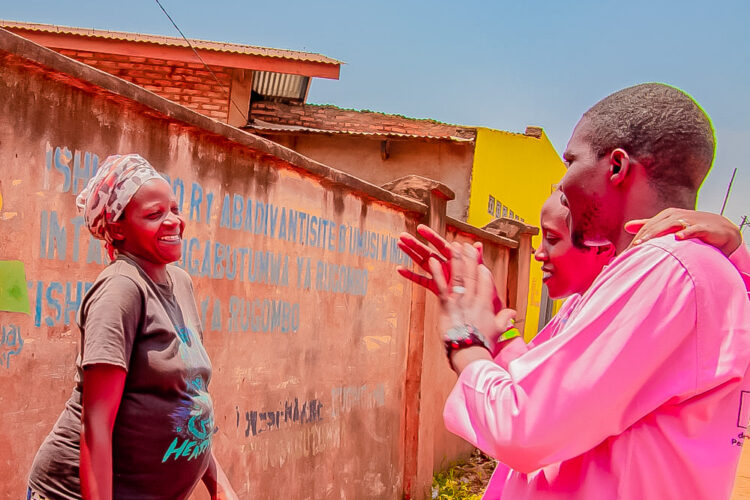
Through their mobile clinics, midwives can reach all members of the community, and their distinctive pink jackets make them easily recognisable. Augustin Harushimana, President of the Midwives in Action Association (MAA) in Burundi, explains that over time people came to understand that they were midwives who offer holistic, person-centred care — not only for maternal and newborn health, but also for sexual and reproductive health services and first-line emergency response.
“Pregnancy continues during crises – so do our responsibilities” Augustin Harushimana, MAA President
GBV has devastating effects on physical, sexual, and reproductive health, and it severely impacts mental health and psychological wellbeing.
In communities in Burundi, GBV creates fear and limits women’s participation in public life, posing a significant barrier to gender equality. Within families, it often damages relationships and can lead to separation or divorce due to a lack of mutual understanding and trauma-related distress. Gender-based violence leaves both visible and invisible scars that affect individuals, families and society as a whole.
Physical and emotional care services for survivors of GBV
The complex situation affecting Burundi — particularly in areas bordering the DRC — has led to a noticeable increase in gender-based violence. In response, MAA has established dedicated services for survivors.
They provide immediate management of sexual violence cases, including STI prevention (such as HIV, syphilis and others), prevention of unwanted pregnancies through emergency contraception, and follow-up for pregnancies resulting from GBV. As midwives are often the first point of contact for survivors, MAA works closely with a team of psychologists to offer active listening and basic psychological support. They also conduct regular follow-ups to reduce isolation and build resilience, and organise group listening sessions and trauma-healing workshops to foster mutual support among survivors.
To extend their reach to the wider community, they raise awareness about sexual and reproductive health rights, offer guidance on reporting mechanisms and available protection services, and provide personalised counselling tailored to each survivor’s situation.
“Women feel safe with midwives and are able to share their stories openly. Every midwife is trained to identify, care for, and refer survivors to psychologists when deeper mental health care is needed. We work as a bridge between medical, emotional, and community recovery,” says Augustin.
The challenges
Working in transit sites where refugees first arrive, MAA encounters people in deep shock — many have lost loved ones, homes, and their sense of dignity. Many women report having been raped during conflict.
Common challenges include:
- Cultural taboos and stigma: MAA works to address these through continuous community sensitisation and awareness campaigns.
- Fear of exclusion or rejection: They engage community and religious leaders to break the silence around GBV, training them as prevention and support agents.
- Limited trained professionals: To strengthen skills, they organise experience-sharing sessions among service providers to stay up to date on GBV case management.
- Basic needs unmet: Supporting someone who lacks food or shelter is extremely difficult, so MAA coordinates with humanitarian partners to ensure these needs are addressed first.
Despite constraints, midwives ensure survivors are heard, cared for, and referred for continued support.
The collaboration with psychologists
Initially, the midwives’ mobile clinic did not include psychologists. However, after just one day of service, the team recognised their importance. Today, collaboration with psychologists is systematic.
They use clear referral protocols, share essential information while respecting confidentiality, and coordinate the monitoring and follow-up of survivors. Psychologists provide mental health care and help adjust treatment plans based on each survivor’s psychological progress. Midwives and psychologists complement each other — together, they ensure continuity of care and healing.
Engaging the community
MAA involves community members at every step by raising awareness about GBV and encouraging survivors to seek immediate care to prevent STIs and unwanted pregnancies.
They also train and engage community leaders as agents of change, breaking taboos, and helping prevent and respond to GBV. Workshops, roundtables, and conferences are organised regularly, often with the participation of survivors willing to testify publicly.
Taking care of the team
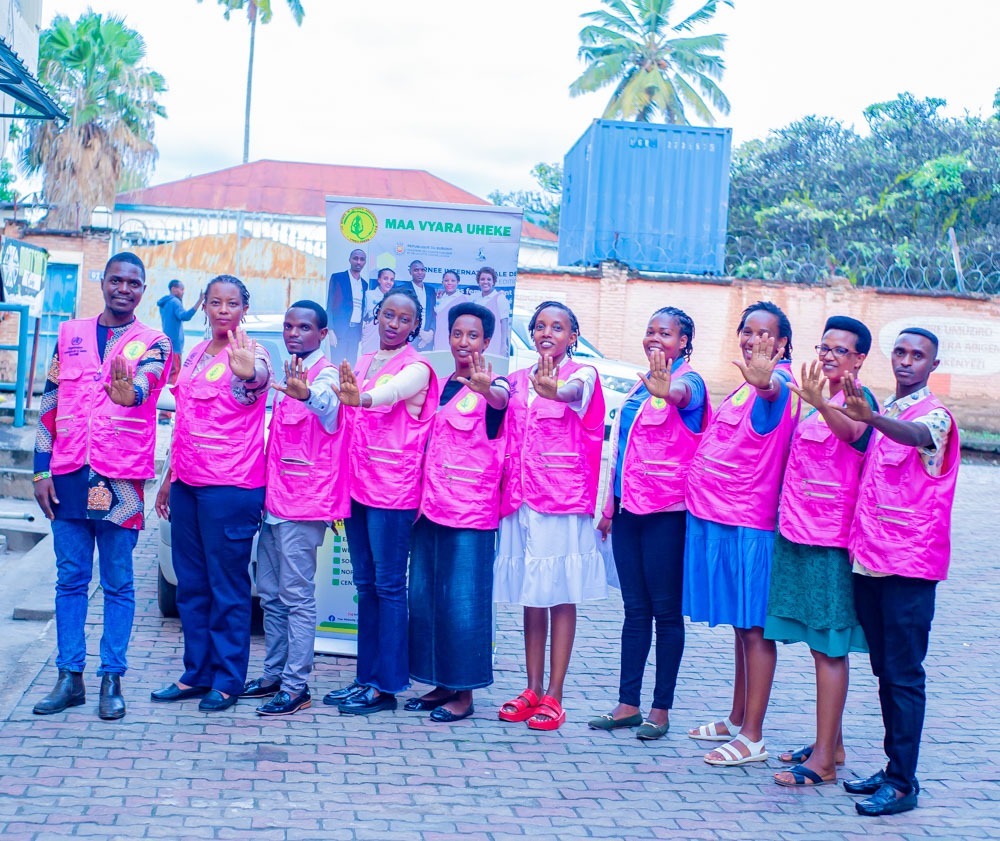
Working in areas affected by crises exposes midwives and health care professionals to high levels of stress, trauma and emotional exhaustion, making strategies to prevent burnout and trauma essential.
In this programme, midwives work in two rotating teams — one week on, one week off — to allow time for rest and recovery. They practice self-care and mutual support, stay connected through WhatsApp groups, and regularly share experiences.
MAA also organises recreational activities such as picnics and beach days near the lake to promote relaxation and team bonding. They encourage open communication and emotional expression and involve families in supporting staff wellbeing.
“Taking care of ourselves is essential to continue caring for others with empathy and strength.”
Improving GBV response services in Burundi
Augustin shares that they envision a Burundi where every survivor receives compassionate, timely, and comprehensive care. To achieve this, they hope to:
- Strengthen the capacity of health professionals, including midwives, for integrated and sensitive GBV care
- Enhance community awareness to reduce stigma and encourage reporting
- Increase financial and material resources for GBV prevention and response
- Promote empowerment of survivors through training, employment opportunities, and psychosocial support
- Continue positioning midwives as trusted and skilled leaders in GBV response across the country
To other midwives working with GBV survivors in conflict or refugee settings, MAA would advise:
Prepare yourself through training and continuous learning. Collaborate with others — no one can address GBV alone. Understand that supporting survivors is a process, not a one-time service. Begin with active listening — it builds trust and helps survivors regain confidence. Be available, compassionate, and ready to refer when necessary. Don’t wait for ideal conditions — start with what you have, work with your heart, and more support will follow.”