Bringing Information Closer to Home: How an Iranian Midwife Is Expanding Access to Birth Education
For many women in Iran, especially those living in rural or hard-to-reach areas, access to accurate information about pregnancy, birth, and early postnatal care is limited. Long travel distances, mountainous roads, and a lack of locally available classes mean that thousands enter labour without the knowledge or confidence they need. Midwife and PhD candidate Nafiseh Mohammadkhani saw this gap every day in her work and decided to find a way to close it.
Nafiseh’s journey into advocacy and teaching began in 2009, when she witnessed physical and verbal mistreatment of women during her first clinical placement as a student. Feeling powerless at the time, she asked her lecturers how she could respond. Their advice was simple: start by becoming the kind of midwife who creates change through daily practice. This guidance shaped her career. After graduating, she worked in both low-resource rural hospitals and a specialised private hospital in Tehran. Across settings, she focused on providing respectful, informed, and person-centred care.
As she gained experience, Nafiseh also pursued further studies. In 2019, she completed her Master’s degree, focusing her research on women’s perceptions of person-centred maternity care. Listening to women’s stories strengthened her commitment to improving access to information and resources for women. She is now completing a PhD on online and virtual-reality-based childbirth education.
Creating an Online Platform for Mothers Everywhere
The idea for an online education platform emerged while she was working as a childbirth educator at a hospital. Many pregnant women travelled long distances from remote villages, sometimes for more than an hour, simply to ask one basic question. Others were very young and had no access to antenatal education at all.
Together with a colleague named Elaheh, Nafiseh proposed visiting villages to provide face-to-face classes, but permission was not granted. Instead, they began recording short educational videos and sharing them on Instagram through the page @mama_va_maman. As the audience grew, they created a Telegram channel where mothers could access full, evidence-based education packages. Some materials were offered for a small fee, but many were made available for free to those unable to pay.
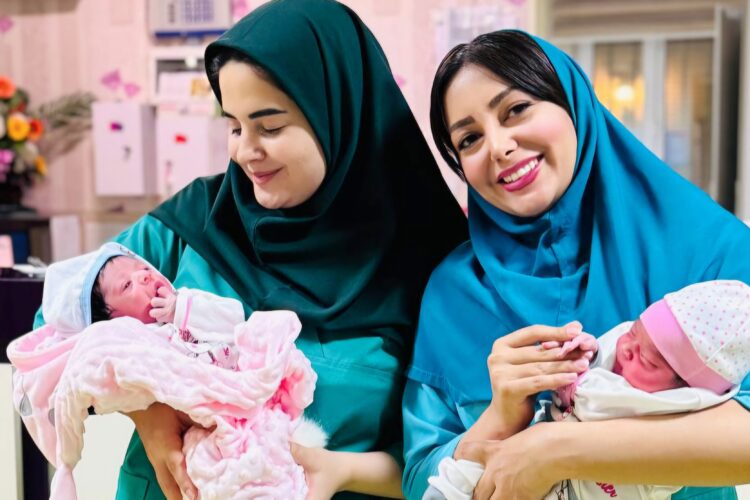
The approach quickly expanded. Today, more than 3,000 mothers have participated in the programme. Afghan women living in Iran and Afghanistan, and Iranian women living abroad, have also joined. Many stay in touch with Nafiseh throughout pregnancy, birth, and early postnatal weeks, sending updates, birth stories, and photos of their newborns.
“We want every mother to understand what is happening in her body,” Nafiseh explains. “Information gives confidence. When women understand the physiological process of birth, they feel more prepared. Confidence and knowledge lead to autonomy—and many mothers here do not know they have autonomy or rights in their care.”
Teaching the Next Generation of Midwives
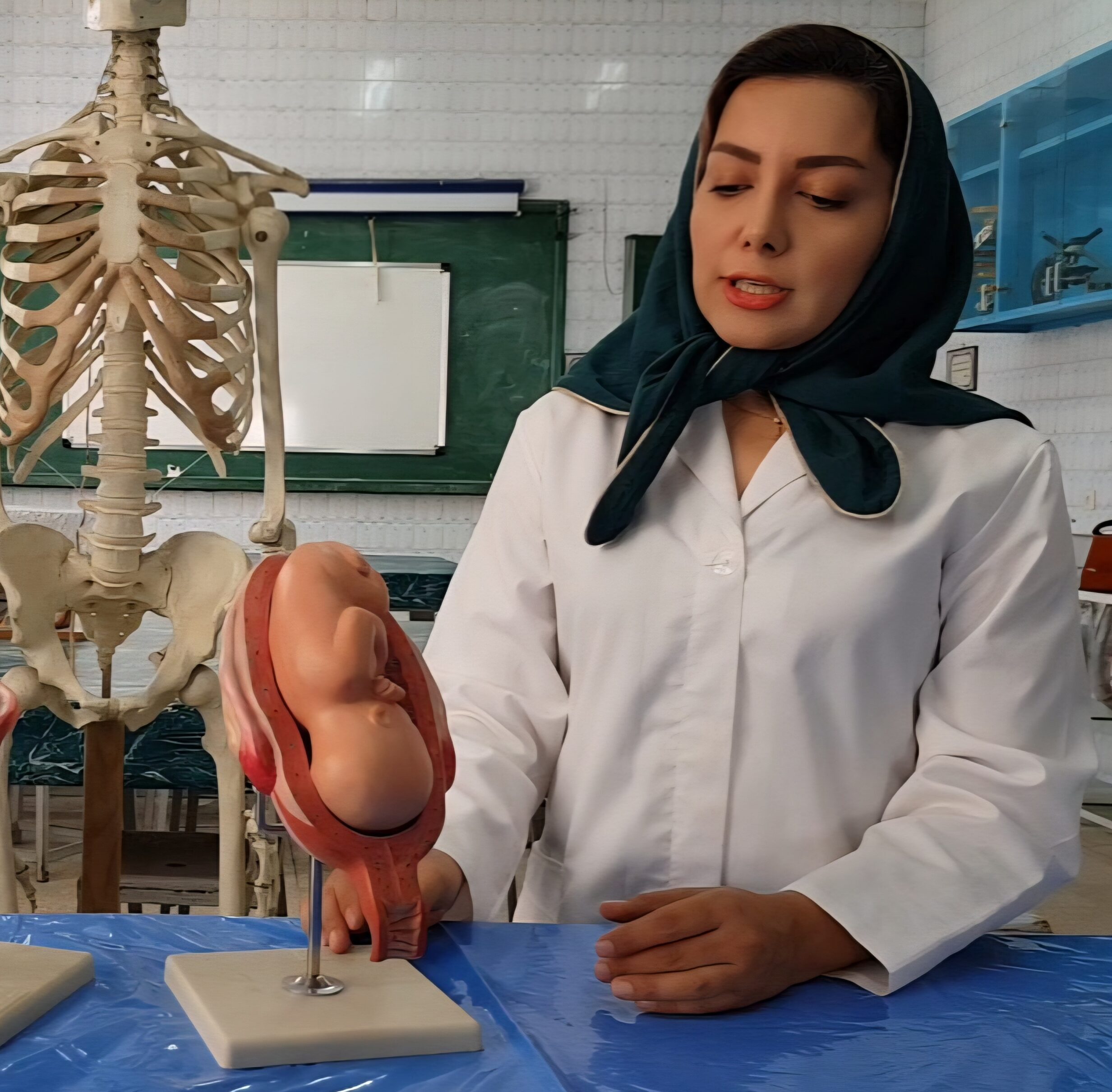
Alongside her digital education work, Nafiseh is a lecturer at a university in Tabriz, teaching midwifery students in labour units and classroom settings. One of her core messages to students is the importance of relationships.
“Caring for women is not only a medical process,” she says. “Even in a short interaction, you can build trust. That relationship is important and stays with the mother.”
Nafiseh encourages students to observe their setting, recognise the challenges, and still find ways to provide continuity of midwife care within the limits of the system. In Iran, most births are led by obstetricians, and midwives have limited autonomy. Despite this, she believes there is always space to make a positive difference.
Finding New Ways to Advocate
Through her PhD and community work, Nafiseh hopes to bring evidence to policymakers about the importance of continuity of midwife care and respectful sexual, reproductive, maternal, newborn and adolescent health (SRMNAH) services. She acknowledges that advocacy can feel difficult, but she remains committed.
“Even with limited support from policymakers, midwives can still start change in their own settings,” she says. “We can offer continued care in clinics, private practice, or through education. Small steps matter.”
The world needs One Million More Midwives
Sign the petition and help us collect one million signatures to demand one million more midwives — and the investments needed to make it happen.