A Midwife Cannot Wash Her Hands With an Empty Tap
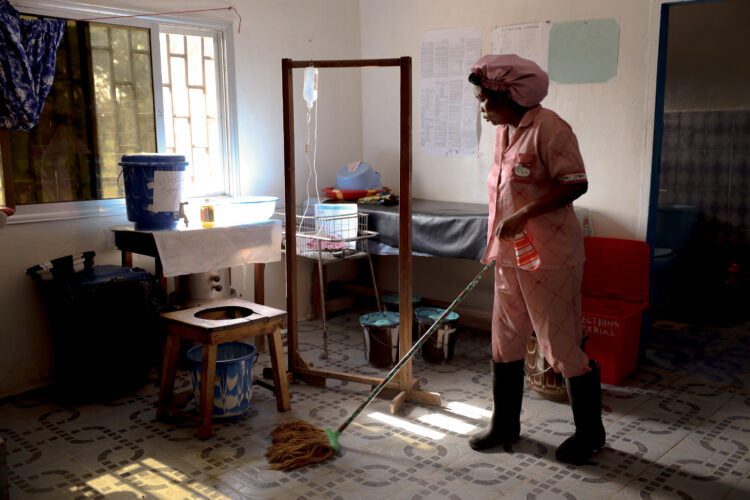
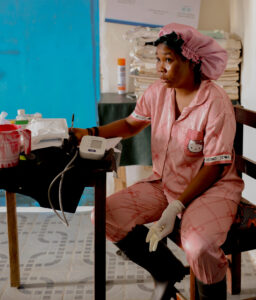
When a woman arrives at Diah Clinic in Liberia in labour, midwife Shenette Khaula Shamu faces a question no health worker should have to ask: is there enough water to care for her safely?
If there is not, finding water can take Shenette away from the woman who needs her. As she told WaterAid, “the time it takes me to go and look for water, she might deliver”. If heavy bleeding begins while she is away, those minutes could be critical. Shenette knows how to respond to an emergency. What she cannot do is be in two places at once.
On Global Handwashing Day, we often focus on a simple action that prevents infections: cleaning our hands. But what happens when the water runs out in a maternity ward? What happens when the handwashing station is empty, the toilet cannot be used or there is no reliable way to clean the room before the next birth?
Midwives bring clinical skill and judgement to every birth. They need reliable water, sanitation, supplies and clean spaces to put those skills to work safely.
Photo Credit: WaterAid/ Cianeh Kpukuyou
What Happens When Water Is Missing?
Clean hands are essential before and during care. So are clean equipment and surfaces, safe toilets and water for women to drink and wash after birth. Together, these are part of water, sanitation and hygiene, known as WASH. When any of these services is missing, preventing infection becomes harder for midwives, other health workers and families.
“You have to be able to wash your hands,” Shenette explains. Without that opportunity, she worries about introducing bacteria during care and the risk of postpartum sepsis. Sepsis is a life threatening reaction to infection that can develop after childbirth. Newborns are vulnerable to infection too.
At Bomboja Clinic, also in Liberia, midwife Yamah M. Mulbah recalls caring for a woman with postpartum haemorrhage before a project brought clean water to the health care facility. “The mother was bleeding. So I needed water,” she says. Yamah asked a caretaker to fetch it from a pump, but the pump was far away and it was dark outside. The caretaker was afraid to go. The emergency could not wait for daylight.
The consequences extend beyond infection. A woman recovering after birth may be unable to wash in privacy. A family may arrive at a health facility expecting safety and find that even a usable toilet is missing. These conditions affect dignity and trust as well as health.
The Scale Behind The Stories
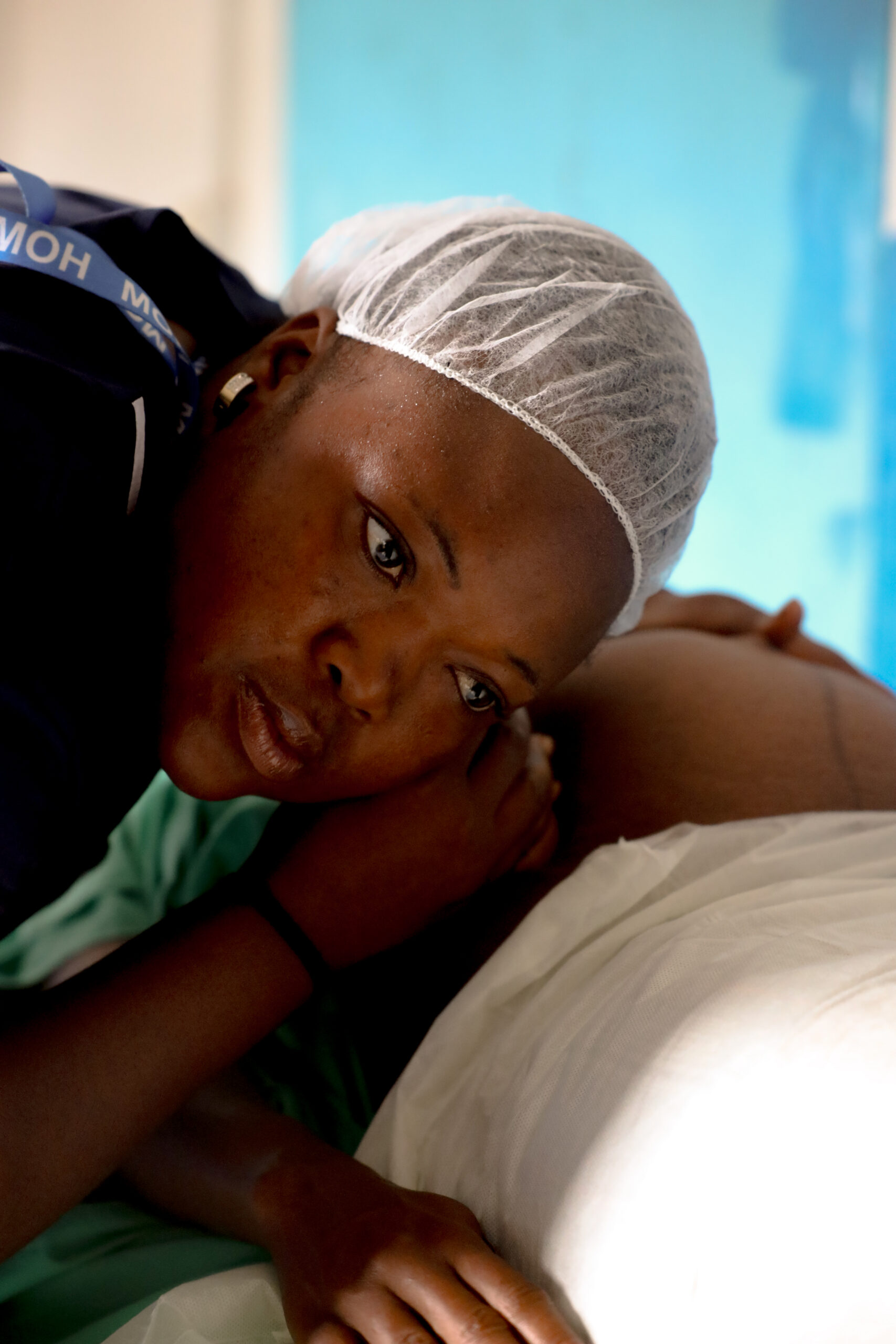
WaterAid’s report Born without water: The crisis in our delivery rooms combines accounts from women and health workers with an analysis of 16 countries in Africa and Asia. It estimates that more than 13.5 million women each year give birth in facilities where delivery rooms lack basic WASH. Across the countries studied, WaterAid estimates that providing basic water, sanitation and hygiene in health facilities could avert 1.7 million cases of maternal sepsis and more than 3,800 maternal sepsis deaths annually. These are estimates of what improved services could prevent, not recorded outcomes from a single programme.
The wider global picture is troubling too. According to WHO and UNICEF’s 2026 update, 72% of health care facilities had basic hygiene services in 2025. Only 59% had basic environmental cleaning services and 40% met the standard for basic sanitation. Having a toilet somewhere in a building is not enough to meet that standard: it must be usable and meet the needs of patients and staff.
These figures cover different populations and measure different things. Together, they show why a message about handwashing must also be a message about the facilities, supplies and investment that make safe care possible.
In Uganda, a midwife calls for washing facilities near the wards and enough toilets for the women giving birth, with separate facilities for those accompanying them where possible. Her point reaches beyond the hands of the person delivering the baby: women and their families need somewhere to wash and use the toilet too.
Photo Credit: WaterAid/ Cianeh Kpukuyou
What Changes When Midwives Have The Basics?
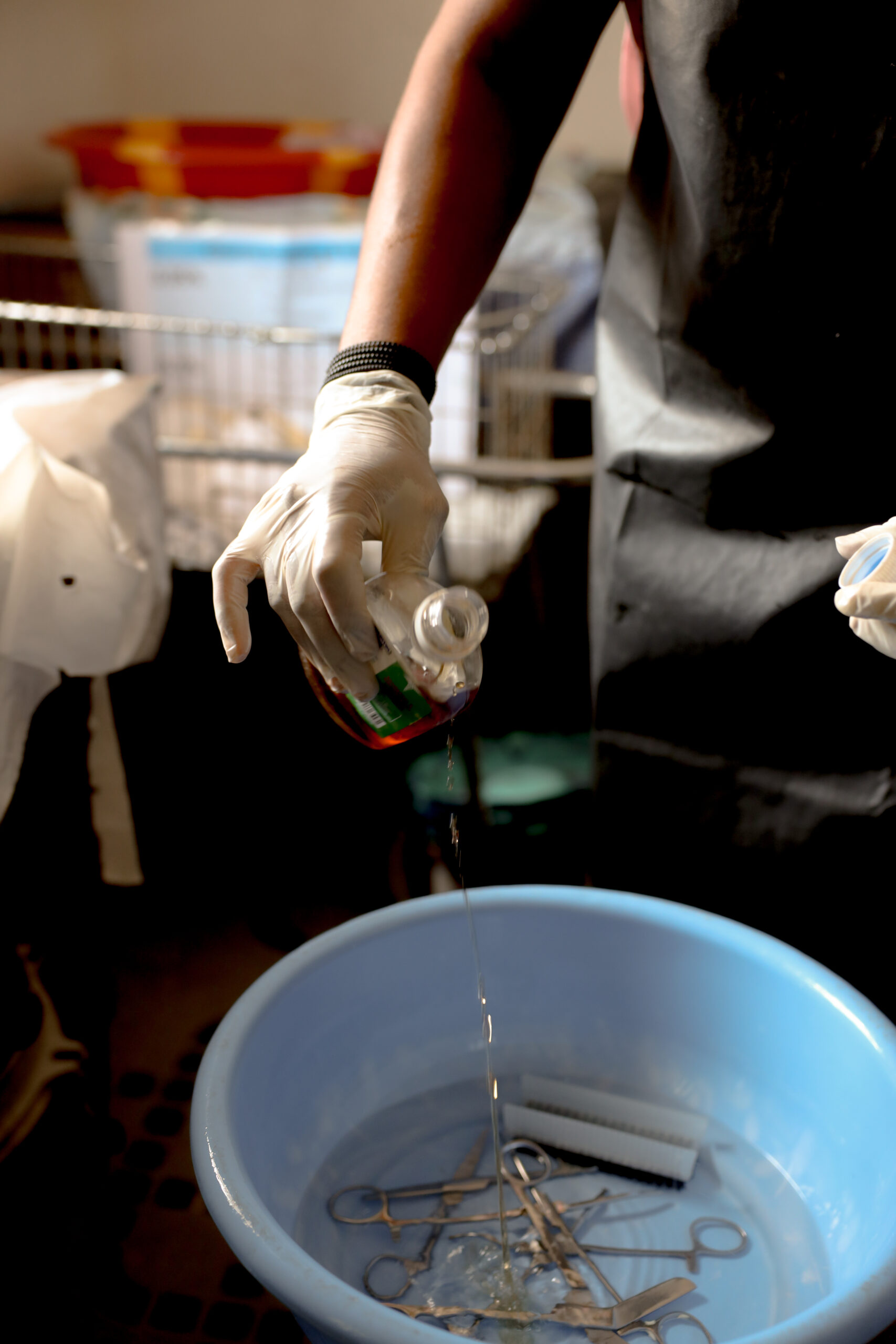
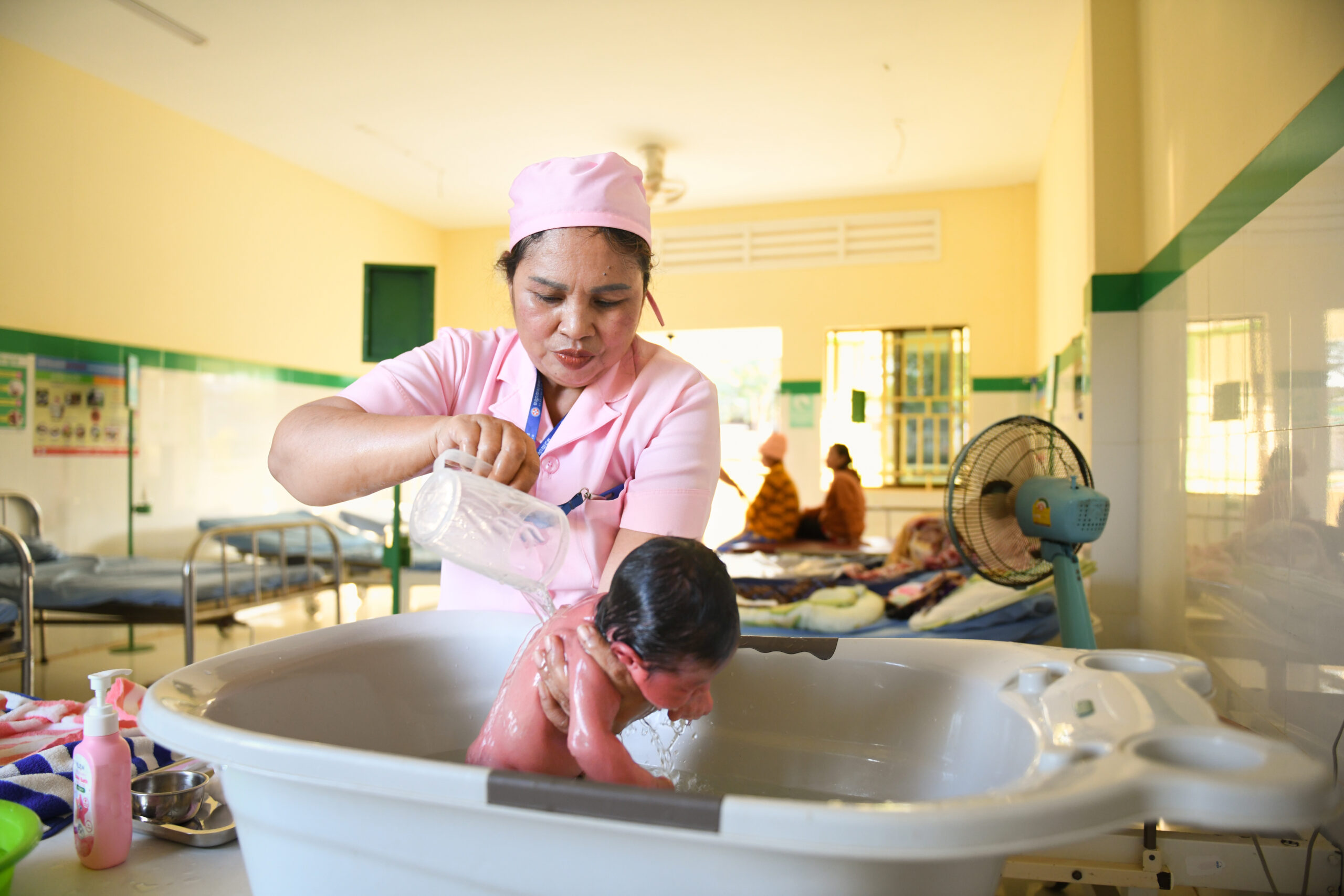
Midwife Samnang Chheng has experienced that change at Svay Chouk health care facility in Cambodia. She recalls having to boil water for drinking and for washing mothers and babies. Now, she describes a facility with water, clean toilets and a water filter. “We have water to wash our hands, to shower, to clean anything,” she says. “We are not worried about a shortage of water anymore.”
That difference is practical. Midwives can clean their hands when they need to. Rooms and equipment can be cleaned. Women can wash after giving birth, and staff can focus on care rather than on finding water. Samnang is clear that clean water matters to the woman giving birth, the woman recovering and her newborn baby.
At Chinguluwe health care facility in Malawi, hospital attendant Gladys Yona sees the difference for patients too. “A patient is happier when they have water and clean toilets,” she says. Having those basics makes her and the midwives’ work easier and better as well. “Water is the central point for everything,” she says.
Running water is only part of the equation. Facilities need functioning handwashing stations where care takes place, soap or appropriate handrub, safe toilets, trained cleaning staff, supplies and systems to keep everything working. Women and midwives should help shape those improvements, because they know where gaps appear during labour, birth and recovery.
Photo Credit: WaterAid/ Cianeh Kpukuyou
It Is Time To Deliver
Global Handwashing Day is an opportunity to recognise the people who protect others through clean care and to listen when midwives identify what their facilities need.
Governments and health leaders can fund reliable WASH services in every health facility, set clear standards and check that facilities meet them. This means making maternity care a priority and ensuring that water, sanitation and hygiene work for the women and gender diverse people receiving care, the newborns they bring into the world and the staff beside them.
WaterAid’s Time to Deliver petition calls on world leaders to centre women’s voices, invest in clean water, decent toilets and good hygiene in health centres, train health workers and set standards for safe, dignified care. Add your name to the petition and stand with midwives calling for clean water for every woman and every birth.
Photo Credit: WaterAid/ Noriko Hayashi