Extending Congress Learning Beyond Borders
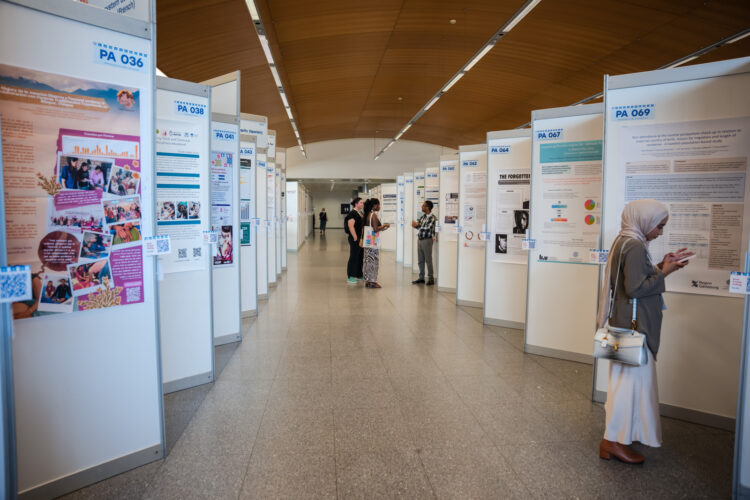
The 34th ICM Triennial Congress in Lisbon brought together midwives, researchers, educators, advocates and partners from around the world to share knowledge, experiences and ideas that can help shape the future of midwifery.
However, not everyone whose work was accepted for presentation was able to join us in Lisbon. Visa challenges or circumstances in their home countries meant that some presenters were unable to attend the Congress in person.
We wanted to make sure that their work could still be shared with the global community of midwives.
As part of an initiative to extend Congress learning beyond borders, ICM invited presenters who were unable to attend the Congress to share their work through our digital channels. This showcase brings together their research, projects and experiences, highlighting the diverse work taking place across the global midwifery community.
Explore the contributions below and discover the work that continues to advance midwifery practice, education, research and advocacy around the world.
Explore the Poster Contributions
Ophelia Serwah Tonto, Ghana
Title: One Million More Midwives Using Alternate Birthing Positions to Improve Birth Outcomes
About the author
Ophelia Serwah Tonto is an Advanced Midwife Specialist and women’s health advocate with over 15 years of clinical and academic experience. Her research interests include breastfeeding, digital education, normal birth and grief-sensitive care.
About the work
This work explores the use of alternative birthing positions to improve maternal and neonatal outcomes and promote respectful, woman-centred care in Ghana. A quality improvement initiative introducing a birthing chair enabled women to choose positions such as squatting and side-lying, supporting more positive birth experiences. The work highlights the need to equip midwives with the skills, resources and policy support to offer evidence-based birthing choices.
————-
Ilana Chertok, Israel
Title: Perceived maternity care experience among birthing mothers in two WHO European region countries during the COVID-19 pandemic
About the author
Professor Ilana Azulay Chertok is Associate Director of Nursing Research and Scholarship at Ohio University School of Nursing. A maternal-infant health researcher, epidemiologist and lactation consultant, her research focuses on maternal-infant and women’s health, particularly lactation.
About the work
This study explores how women in Israel and Cyprus experienced hospital-based maternity care and birth during and after the COVID-19 pandemic. Findings highlight the impact of restrictions, fear of infection, and changes to partner presence, breastfeeding support and maternal-infant care, underscoring the role of midwives and perinatal professionals in supporting positive birth experiences during times of crisis.
———-
Taklu Marama Mokonnon, Ethiopia
Title: Skilled Birth Practice and Traditional Birth Attendant Preference in pastoralist Communities of Afar, Ethiopia: A community-based Cross-sectional Study
About the author
Taklu Marama Mokonnon is an Assistant Professor of Midwifery Education at Wolaita Sodo University, Ethiopia, with over a decade of experience in teaching, research, clinical practice and academic leadership. He also serves as Executive Board Member and Secretary of the Ethiopian Midwives Association.
About the work
This study examines skilled birth attendance and the role of Traditional Birth Attendants in pastoralist communities in Ethiopia’s Afar Region. Findings show that only one-third of women received skilled birth assistance, with many continuing to choose home births due to trust, accessibility and cultural preferences. The study highlights the importance of engaging TBAs and making health services more responsive to local needs and values.
———-
Nassifu Ssemwanga, Uganda
Title: The clock is ticking: Midwives’ understanding of immediate postpartum and newborn care in Uganda
About the author
Mr. Ssemwanga Nassifu is a nurse educator and researcher with a Bachelor of Science in Nursing from Makerere University in Uganda and a Master of Science in Nursing from the University of Cape Town in South Africa. His work highlights opportunities for improving immediate postpartum and newborn care within the initial 24 hours following birth to prevent avoidable maternal and neonatal deaths and disabilities. Nassifu is currently serving as a Lecturer in the Department of Nursing and Midwifery at the Islamic University in Uganda, Kampala Campus.
About the work
This study explores midwives’ understanding of immediate postpartum and newborn care during the first 24 hours after birth in Uganda. While midwives recognised the importance of this critical period, the findings revealed gaps in knowledge and variations in understanding of recommended care practices. The study highlights missed opportunities to provide comprehensive, quality maternal and newborn care.
Explore the Oral Presentations and Workshop
You can also hear from presenters whose accepted oral presentations and workshops could not take place in Lisbon. As part of this initiative, ICM is hosting two online events where they can share their work and the global midwifery community can learn from it:
- 7 October 2026, 2:00–3:30 CEST: Shaping Futures Workshops for Teenagers with Midwives, Teachers and Psychologists
- 14 October 2026, 2:00–3:00 CEST: Oral Presentation Showcase