How Research Led By Midwives Is Saving Young Lives In Sierra Leone
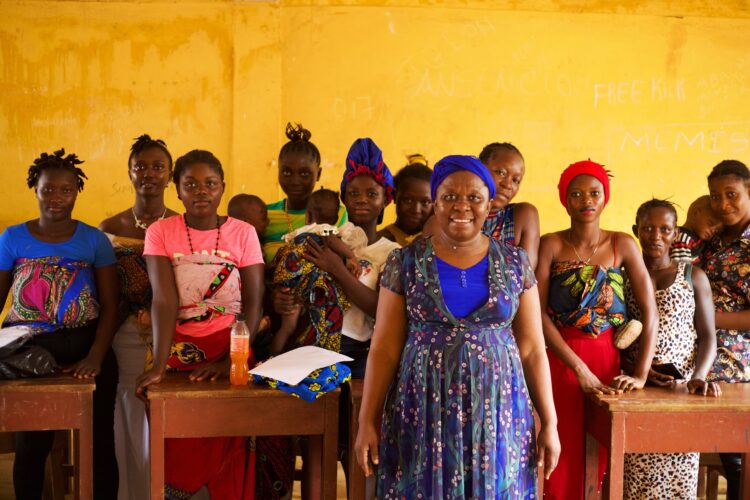
Research led by midwives at King’s College London, working in equal partnership with Lifeline Nehemiah Projects in Sierra Leone, has shown that community support can save the lives of pregnant adolescents and their babies.
Their programme, 2YoungLives, has received a 2026 Lancet and Elsevier Foundation Evidence to Impact Award. It pairs pregnant girls under 18 with respected local women who support them from pregnancy until one year after birth.
The research followed 673 girls across 12 communities. It found 48 per cent fewer maternal and baby deaths combined in communities offering 2YoungLives. There were no maternal deaths in those communities, and supporting 18 girls through the programme prevented one baby death. Births in health facilities rose by 32 per cent, while more than 80 per cent of participants returned to education or started a small business.
The findings show the value of research shaped by midwives and communities.
A Solution Created In The Community
The idea began after the Ebola crisis, when the team at Lifeline Nehemiah Projects became concerned about the number of pregnant girls who were dying. A household survey in Kuntorloh, Eastern Freetown, found that one in ten pregnant adolescents had died during pregnancy or around childbirth.
Conversations with girls and families pointed to stigma, abandonment, lack of adult support and delays in seeking care. Some girls also described disrespectful treatment, lack of trust and fees they could not afford.
Lifeline created 2YoungLives with girls and community members in 2017, drawing particularly on the lived experience of cofounder Mangenda Kamara. The programme was tested in three communities before Lifeline partnered with midwife researchers at King’s College London to study its impact more closely.
Why Mentorship Works
Mentors are trusted local women who understand the pressures girls face. They accompany girls to antenatal appointments and birth, help them recognise danger signs and advocate for them with health workers. They may also help with transport or treatment costs.
After birth, mentors encourage postnatal care, breastfeeding and immunisation. They also help girls rebuild family relationships, return to school, begin vocational training or start a small business.
Monthly 2YoungLives gatherings give girls a safe place to meet health workers and build trust, helping them seek care sooner and receive more respectful care.
Research That Followed The Community
2YoungLives already belonged to the community before the formal research began. The researchers therefore built the study around the existing programme instead of arriving with an outside solution.
Local leaders and programme staff worked as equal members of the research team. They helped guide decisions and could adapt the programme to the culture and needs of each community. This protected local ownership while allowing the team to produce strong evidence about whether the programme worked.
Change Beyond Pregnancy And Birth
One of the biggest surprises was how far the impact spread. Mentors became advocates in their communities, working with chiefs, teachers and health workers. The team saw changes in attitudes towards girls’ education, child marriage, female genital mutilation and blood donation.
In one community, pregnant girls had been forced out of their homes and schools, and some had been publicly beaten. Local chiefs initially feared that 2YoungLives would encourage adolescent pregnancy. After meeting graduates who had trained as plumbers and electricians and were supporting their families, the chiefs required schools to allow pregnant girls to continue their education. They later introduced a local law directing families towards counselling rather than expulsion and public shaming.
The wider community work also helped mobilise hundreds of voluntary blood donors in a rural area where empty blood banks had previously cost women their lives.
Why Midwives Belong In Research
Midwives know that clinical care is only one part of a woman’s pregnancy journey. For someone without enough food, a safe place to sleep or money for transport, attending a clinic may not be the most immediate concern. Midwives also understand the importance of trust, continuity, family and culture.
That knowledge helps researchers ask better questions and design programmes that reflect people’s real lives. As the team put it, “Midwives can and should be research leaders.” Their place is wherever research priorities, methods and measures are decided.
What Comes Next
The team is now developing a plan to expand 2YoungLives across Sierra Leone. It is also examining how the programme worked, its value for money and the experiences of girls and mentors. Future research will look at its longer term effects on girls, children and communities, and whether the approach could be adapted in Kenya and other settings.
For Cristina Fernandez Turienzo, the award recognises “the power of locally developed community driven solutions to transform lives.” 2YoungLives shows what can happen when midwifery research listens to communities and builds on what they already know.