Olive Tengera on Leading Midwifery in Rwanda
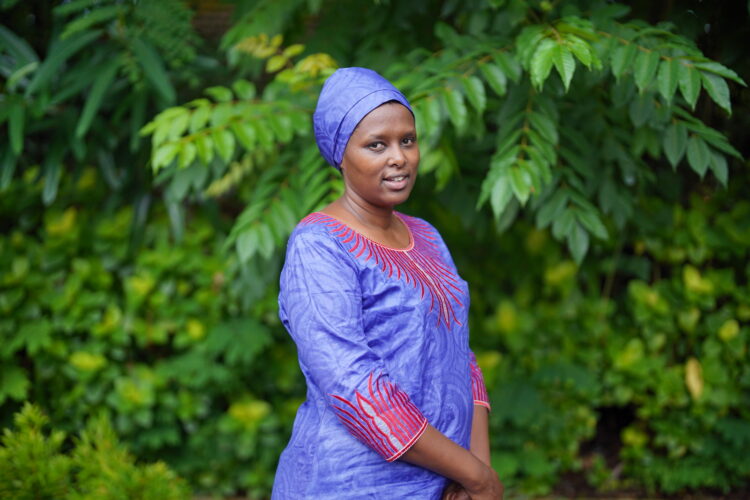
Olive has spent more than two decades proving what happens when midwives lead. She started her career providing hands-on care to mothers and newborns in clinical settings, and today she serves as the National Consultant Chief Midwifery Officer at UNFPA seconded at Rwanda’s Ministry of Health.
A defining part of her leadership journey was serving on the ICM Board as the Regional Representative for Africa, where she brought the voices of 31 midwives’ associations across the continent into global midwifery and sexual, reproductive, maternal, newborn and adolescent health agendas.
We sat down with Olive to talk about her journey, the milestones she is most proud of, and what her priorities will be for midwives in her country.
Q: You started as a midwife in clinics and now you lead midwifery policy for an entire country. Walk us through that journey.
A: I graduated with an advanced diploma in midwifery in 2002 and started practising the following year, providing hands-on care to mothers and newborns. That work showed me both how much impact a skilled midwife has on saving lives, and the structural barriers that hold midwives back. Then I moved into academia, and from there into health system leadership, always working to strengthen midwifery education, clinical standards and engagement with regulatory and international health bodies.
Being appointed Chief Midwifery Officer at the Ministry of Health brings it all together. It lets me carry what I learned at the bedside and in the classroom directly into national policy and strategic health planning.
Q: Looking back across your clinical and academic career, what achievements stand out to you the most?
A: In clinical practice, nothing compares to following a mother through pregnancy and delivery, seeing both her and her baby well, and meeting that child again years later. In academia, watching a student become a confident, capable midwife who saves lives in the field is its own kind of reward.
Structurally, I am proudest of the work I have done to give midwifery its own identity in Rwanda. Midwifery and nursing used to be combined under one regulatory body, but midwifery now stands alone as a profession. We built curricula for every level, from advanced diploma through to bachelor’s and direct entry, and adapted the national midwifery curriculum to align with ICM standards, ensuring consistency across every midwifery school in the country.
In 1997, Rwanda offered just one three-year advanced diploma programme in midwifery. Since then, we have introduced direct-entry bachelor’s degrees. In 2012, the University of Rwanda launched the country’s first master’s programme in midwifery, validated by the Higher Education Council in 2022, and its first cohort has graduated last year. As part of our broader strategy to expand the healthcare workforce, midwifery education is now offered at around nine institutions across the country, compared with just one in 1997.
Q: How did your time on the ICM Board shaped the way you lead now?
It was transformative. Serving on the Board gave me a macro view of global health governance, strategic planning and diplomacy, and taught me how to translate global standards into something actionable and culturally appropriate on the ground.
I also learned how to negotiate and make the case for midwifery’s clinical and economic value to decision makers. That global network, and that way of thinking, shape everything I do now.
Q: What are your main priorities at the ministry, and what challenges are midwives and mothers facing in Rwanda today?
A: My strategy rests on four pillars: strengthening midwifery education and continuous professional development, growing and retaining the workforce, improving working conditions, and working on regulation so midwives can practise to the full scope of their profession, including autonomous care.
Those priorities respond directly to the needs midwives face on the ground. Rwanda has made real progress in reducing maternal mortality, but staff shortages and heavy workloads remain, especially in remote areas, causing burnout and limiting the time midwives can give to each mother when they visit them.
Q: Why does it matter for midwives to see one of their own in a leadership seat at the ministry?
A: Because there is nothing about us without us. Midwives provide the majority of sexual, reproductive, maternal, newborn and adolescent health care, so when policy is made without midwives at the table, it risks losing touch with reality on the ground. Having midwifery leaders in the room also drives advocacy for budget and resources, which matters at every level of the health system.
Representation also matters. When midwives see someone from their own profession in a leadership position, it shows them that they too can reach that level and influence the decisions that shape health systems. That is something I want every midwife to know: you are already a leader. You need to make your voice heard.
Q: What would you tell other countries hoping to advocate for midwifery the way Rwanda has?
A: Start with education. Midwives who are properly trained and qualified know what to advocate for. Some countries still combine nursing and midwifery under one profession, so my advice is to push for midwifery to stand on its own, with its own scope of practice and regulatory body, and build the path from education through to leadership from there.