Local Action, Global Impact: the Advocates Calling for One Million More
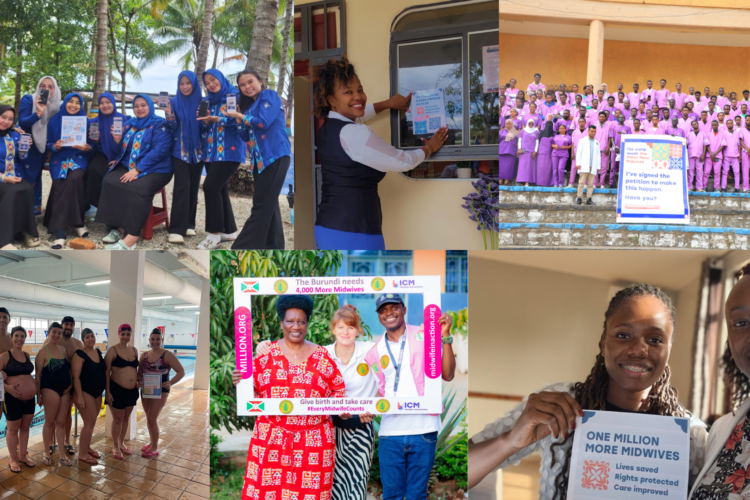
In October 2025, ICM launched the One Million More Midwives petition, calling on governments and health leaders to grow, support and sustain the global midwifery workforce so that women and gender diverse people everywhere can realise their sexual and reproductive health and rights.
The campaign’s goal is clear, although ambitious: collect one million signatures, one for every midwife that the world urgently needs. People immediately started taking action, mobilising communities, posting the petition online and printing posters to gather signatures. To celebrate and encourage these activities, ICM decided to create the One Million More contest, as an opportunity for midwives and supporters who were already campaigning, to win a chance to join us for the 34th ICM Triennial Congress in Lisbon, Portugal, this June.
We received hundreds of submissions full of creativity, determination, and connection with communities worldwide. While we’ve already randomly drawn and announced our three contest winners (watch the live draw here), we wanted to spotlight other participants whose work deserves to be recognised.
Students Turned Ambassadors in Ethiopia
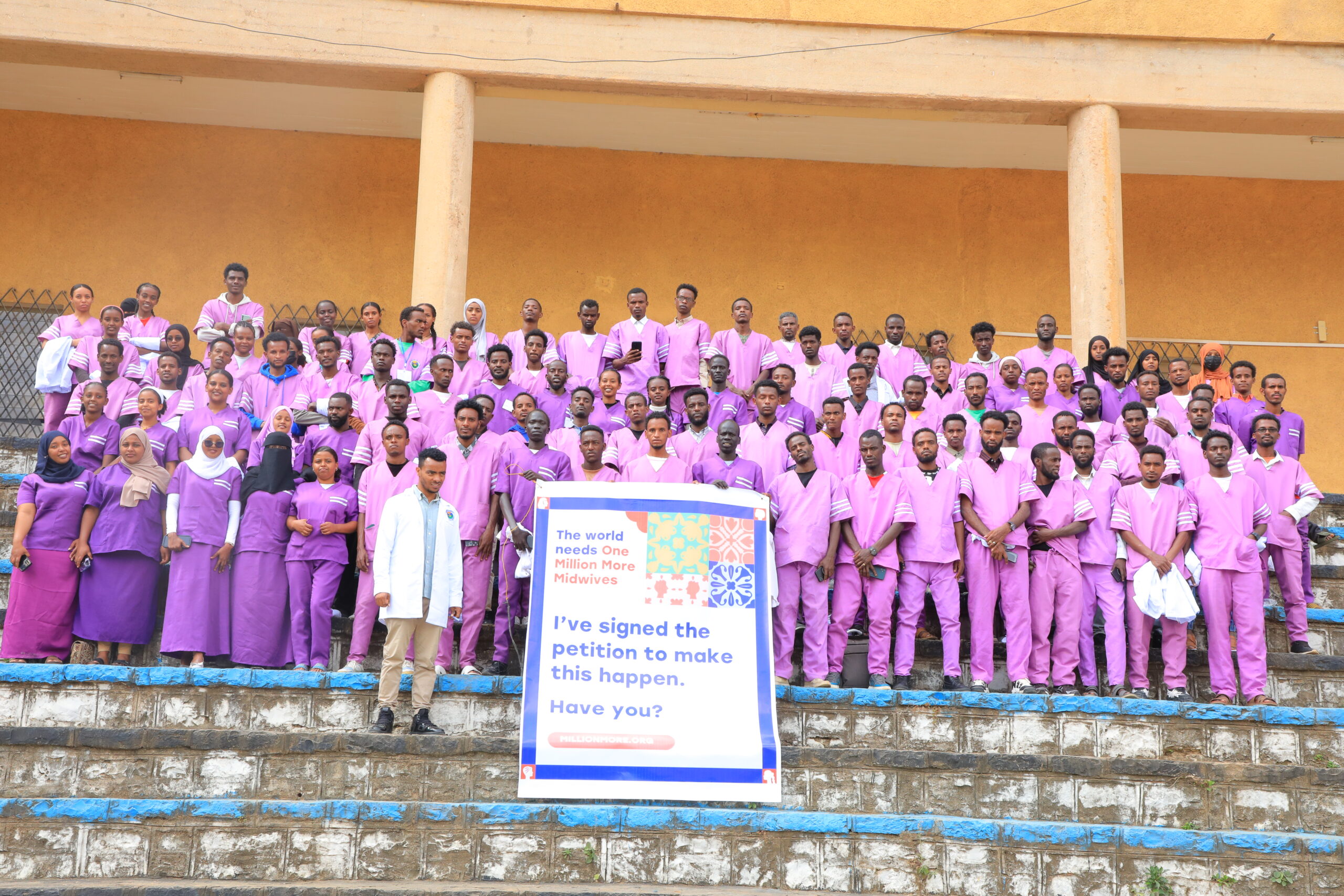
Midwife Dawit understood a key aspect of social movements: they need meeting points. That’s why he turned university entrances into conversation starters, strategically placing big posters where administrative staff and thousands of students from different academic programmes pass each day.
He also showed up at schools, at community gatherings, anywhere people would listen to talk about why maternal and newborn health matters and why midwives are key to ensure everyone can access safe, respectful, high-quality care.
“Students are highly active and influential, and they naturally mobilise their peers and community members around important causes”
Building trust through connection in Indonesia
Mumtihana, a midwife coordinator, researcher and educator, started spreading the petition by sharing the link with her network but soon understood that it wasn’t the same as sharing a message.
She posted the petition on social media and sent it through different channels, but noticed that the response was lukewarm and people didn’t engage. Then she realised some people weren’t comfortable with English, others worried about online scams or didn’t grasp the impact of the campaign.
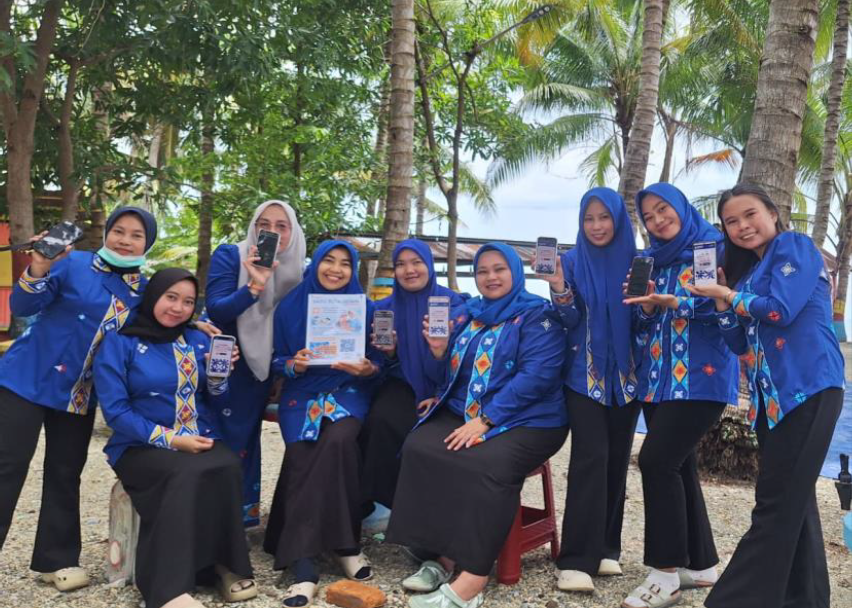
So Mumtihana translated all the key messages into Bahasa Indonesia and created culturally appropriate posters. Most importantly, she started showing up in person and raising awareness at Posyandu (community-level health centres), maternity classes, senior high schools, and during professional midwifery meetings.
“When I explain the petition directly, people can ask questions and better understand its purpose and impact. This also helps build trust and ensures that participants complete the petition.”
Organising these activities is not always straightforward. Often, they require advocacy with local leaders so that the petition promotion can be included in their agenda. Therefore, to make the sessions more beneficial, Mumtihana decided to combine the One Million More campaign with other educational topics.
When visiting schools, she first taught students about adolescent reproductive health, child marriage prevention, and the broader role of midwives. Similarly, when speaking to midwifery students, lecturers, and midwives within the Indonesian Midwives Association, she introduced them to ICM’s work, its mission, and the importance of global midwifery advocacy.
Senior and Young Midwives Innovating Midwifery in Burundi
Advocacy has been part of midwives Augustin and Parfait’s daily work for a long time, and they have developed effective strategies to reach as many people as possible.
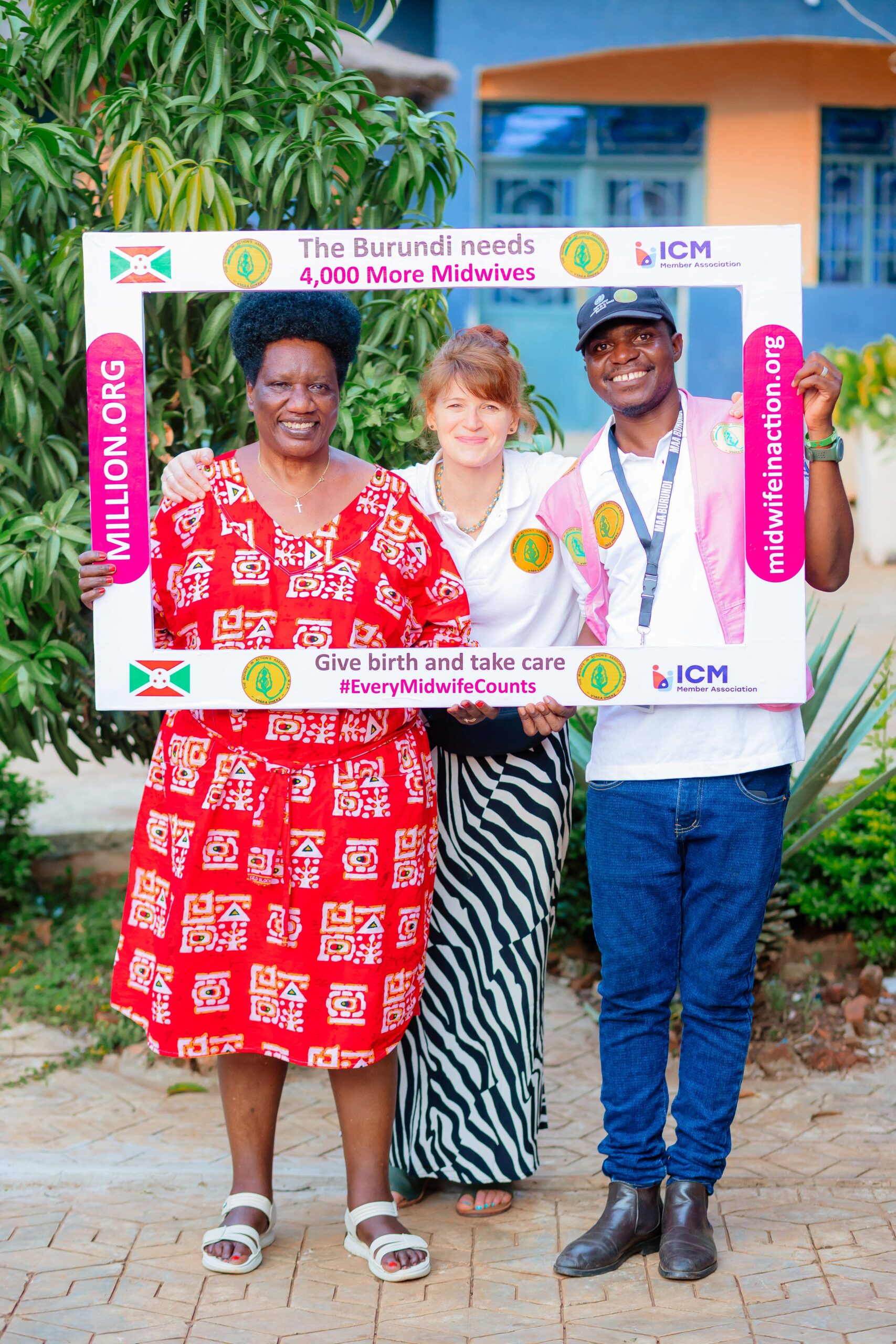
For them, the One Million More campaign lives in conversations with women and families in reproductive health sessions, in refugee transit camps, and in community meetings.
They shared the petition online and made frames that people can take pictures with to post on social media. Nonetheless, they also recognise the barriers many face in their country, including limited internet access, so they adapted. They shared information offline too, encouraging word-of-mouth advocacy, and even provided internet access in their own office so people could sign the petition directly.
They speak with women who understand what it means to lack access to skilled care and they talk about what having more midwives could change for them – safer births, healthier newborns, stronger communities and health systems.
What makes their approach especially powerful is the collaboration between senior midwives who bring experience and credibility and younger midwives who bring energy, digital skills, and new ideas. Together, they are reaching communities and decision-makers at the same time, preparing to take the message to national leaders in the near future, when the petition closes and they can add the country-specific data about the need for midwives.
Making Waves in Portugal
Sometimes advocacy happens in a swimming pool among posters and flotation noodles.
Midwife Marta Cristiana organised what might be the most visually memorable campaign activity we’ve seen. During a weekly prenatal aquatic exercise class, she didn’t just talk about the petition, but she created an experience. Together with her colleagues, she explained the vital role midwives play in ensuring safe, respectful, and evidence-based maternity care.
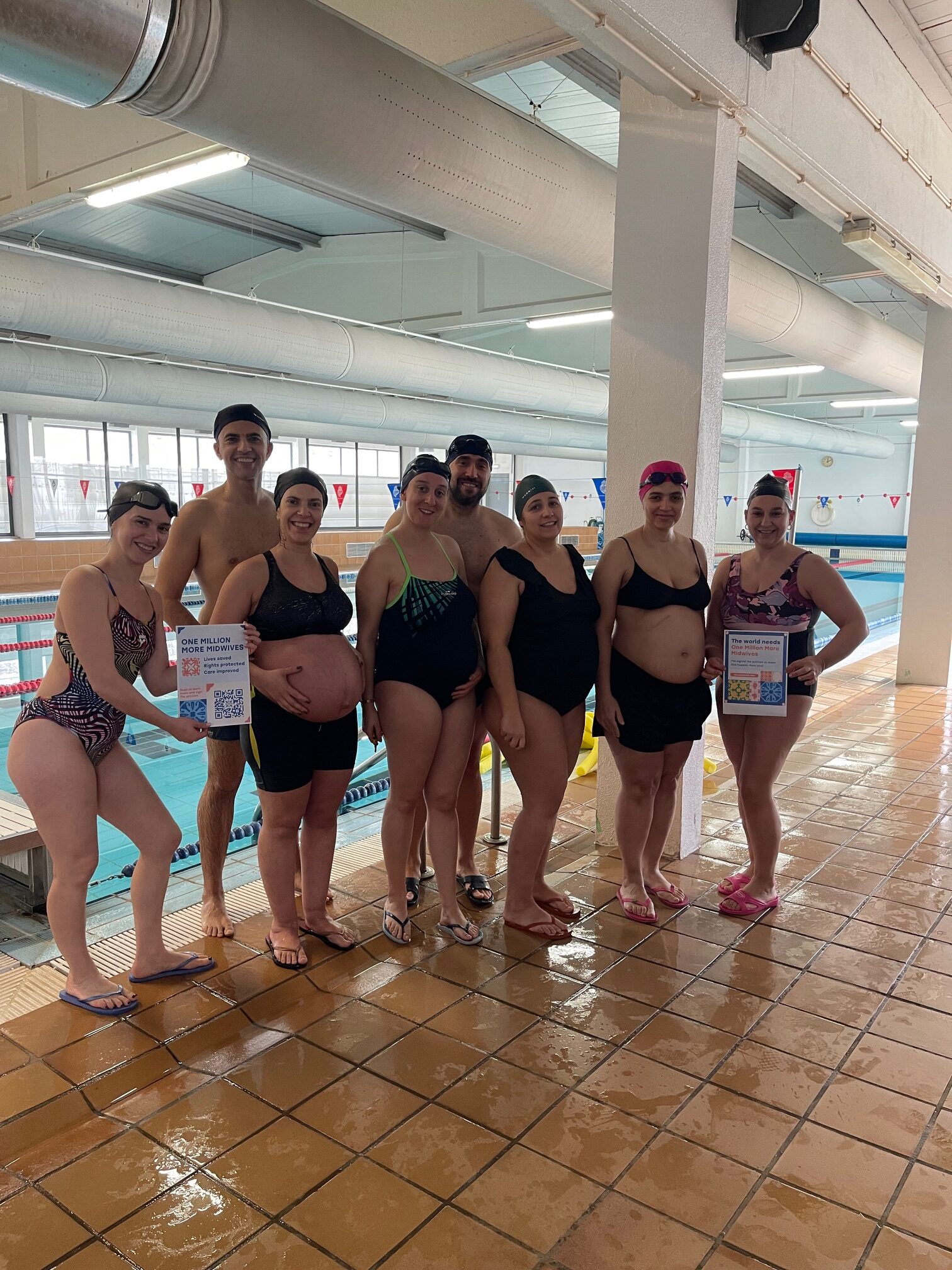
To make the activity more engaging and memorable, the group of pregnant participants and supporters entered the pool together using the flotation noodles and formed a line while holding the campaign posters. The moment was photographed and the images were then shared through personal and professional channels to amplify the campaign message and encourage others to sign and share the petition.
The posters were then put up in different parts of the pool for other swimmers and staff to see and scan. Many people shared the petition with partners, family members, and friends, extending the reach of the campaign beyond the class.
“This moment symbolised the direct connection between mothers, families, and the midwives who support them.”
Stepping Outside the Midwifery Circle in Haiti
Being a midwife and a leader within the Haitian Midwives Association (ASFH), Jeffthanie already had experience with mobilising communities through a mix of channels and initiatives.
She also knew the activities had to be creative. So she helped launch a national advocacy contest, not specifically targeting midwives but for the wider public. People were invited to create short videos explaining why Haiti needs more midwives and better care for women and newborns, inviting others to sign the petition.
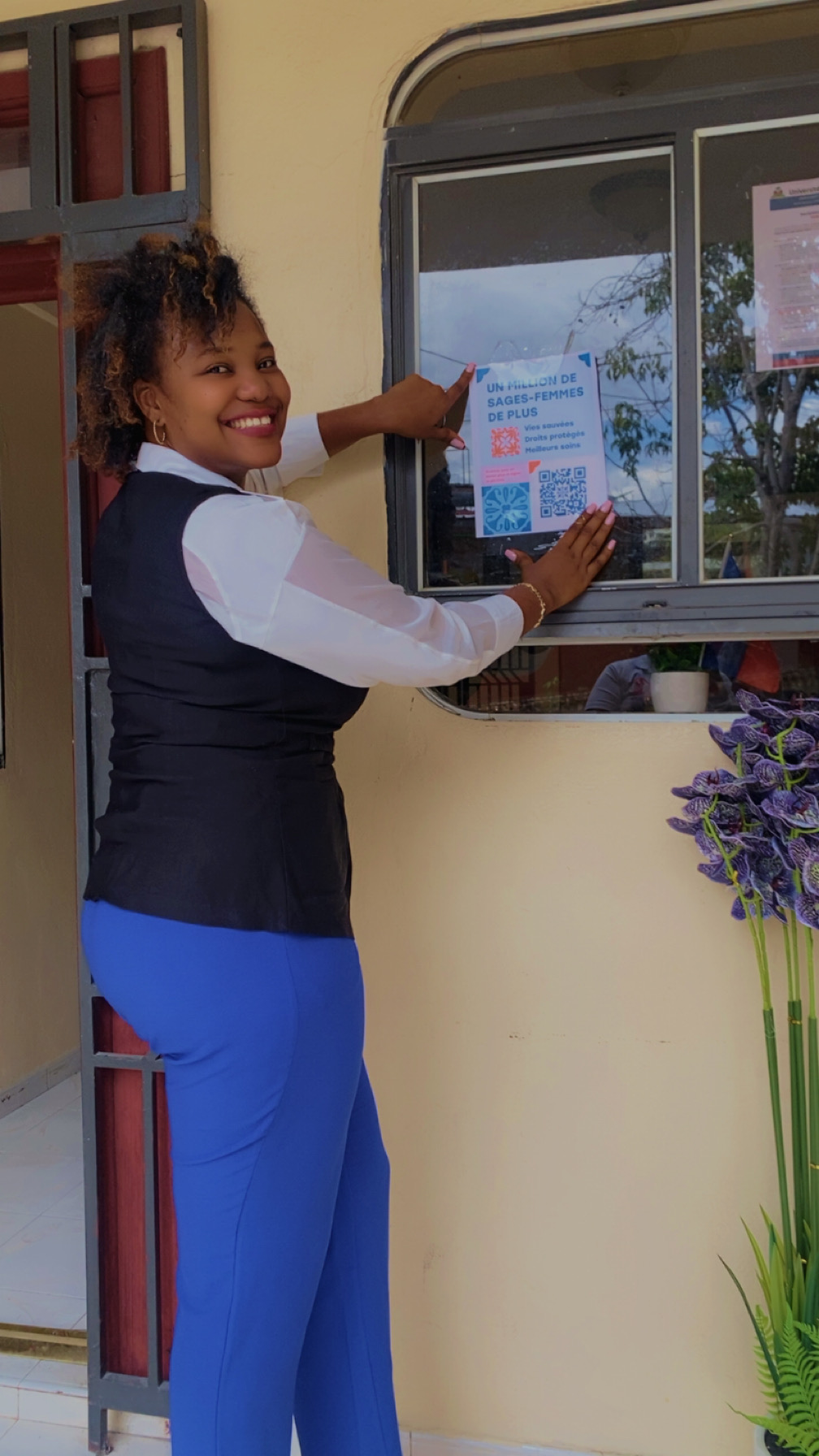
In this way, Jeffthanie and her colleagues ensured that the message would have a wide reach. They also incorporated the petition link to their email signatures, social media posts, printed flyers, and brought the urgent need for One Million More midwives into conversations with students and community members. The campaign became central to everyday conversations.
“It has been particularly inspiring to see how individuals who are not midwives are now actively advocating for the profession, encouraging their communities to sign the petition and raising awareness about the role midwives play in protecting the health and rights of women and newborns.”
Including all Midwives in Kenya
In Kenya, midwife Grace is fighting for recognition of a group often left out of workforce conversations: private practice midwives.
These midwives provide essential care in communities across Kenya, but they rarely appear in national health workforce discussions. Grace is trying to change that by reaching out through her professional network and using her LinkedIn platform to highlight their contributions while connecting them to the One Million More Midwives campaign.
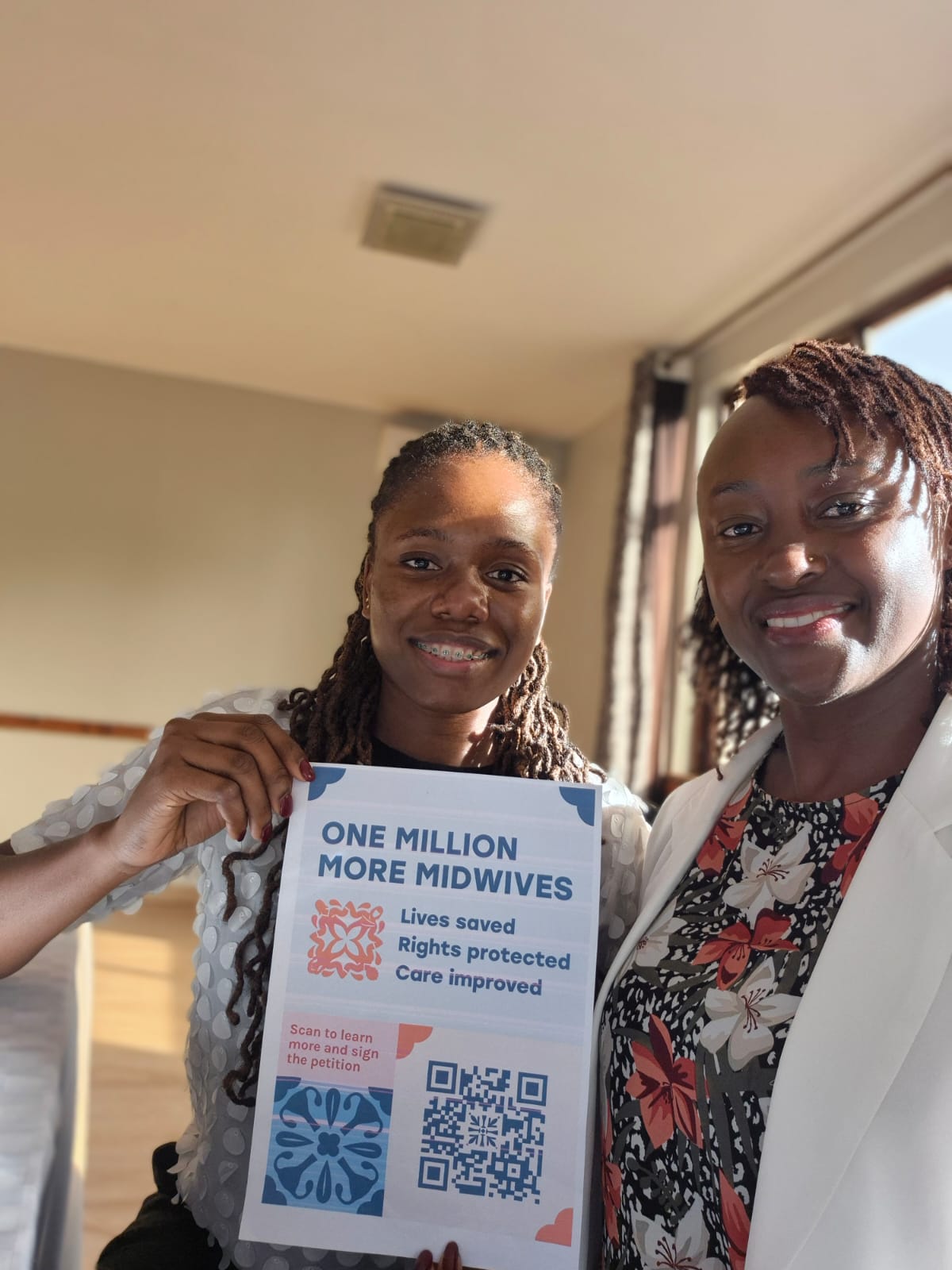
Private midwives maintain close relationships with the women and families they serve. When Grace mobilises them around the petition, she’s activating community-level conversations about the value of midwifery care and hoping that it will have a ripple effect.
“By engaging them in the campaign, I help broaden the voices of the midwifery profession,” Grace explains.
The Petition Continues On
What connects these stories is the shared commitment. Each of these advocates has taken the same global message and shaped it to fit their context. And in doing so, they have reached people in ways that are meaningful and lasting.
Together, these actions are creating something bigger than any single effort. But the campaign is not over. We are still gathering signatures, and we encourage everyone to keep spreading the word in fun and creative ways so that world leaders can hear it loud and clear: we need One Million More Midwives.
The world needs One Million More Midwives
Sign the petition and help us collect one million signatures to demand one million more midwives — and the investments needed to make it happen.