A New Way to Lead: KNOV’s Horizontal Governance Model
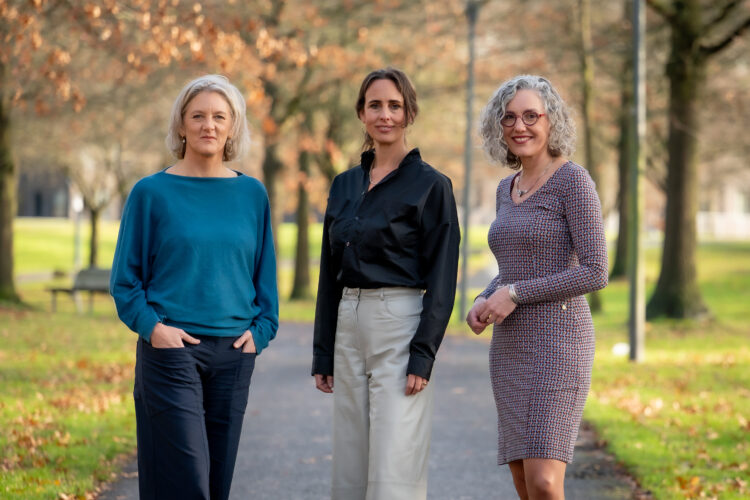
Three and a half years ago, the board of the Dutch midwifery association, the Koninklijke Nederlandse Organisatie van Verloskundigen (KNOV), made a bold decision: to move away from a traditional hierarchical leadership structure and adopt a horizontal, collegial governance model.
They saw it as an opportunity for renewal, and the new model is now a defining feature of the association’s identity that shapes how the board works together and how the members experience their association.
We spoke with Maaike van Rijn, who currently sits on KNOV’s board, and explored how this new governance came to be, which challenges and benefits they have encountered and how other midwifery associations worldwide can seek more inclusive, future-oriented leadership models.
What inspired the shift from a traditional hierarchical structure to a more collegial, horizontal model?
After the previous board stepped down, we had an opportunity to start something new. A few colleagues and I felt strongly that midwifery in the Netherlands needed change, and we wanted to reclaim and strengthen our professional identity.
This felt like the right moment to rethink leadership. As we discussed how we wanted to work, also in conversation with our members, we realised that a non-hierarchical, more collaborative system felt more natural to us. It didn’t feel logical to have one president speaking on topics outside their expertise, but made more sense to us that each person speak and act within their own areas of interest and expertise.
Of course, formally, our statutes still require roles such as president and vice president. So during elections, we had to assign those titles, but once elected, we agreed that these roles were purely formal. Internally, we stopped using those titles and instead function as an equal board.
What was the process of establishing the new governance model?
We set up a small board, just three people, which makes it easier to stay aligned and connected. At the beginning, we discussed everything together and that helped us build trust and define our shared direction.
Over time, we divided responsibilities based on expertise and interest. If I am responsible for a specific topic, I take the lead on that. If something overlaps or affects the broader strategy, we come together and decide collectively.
Were there challenges when introducing this model?
Yes, especially in the beginning. Internally, we had to learn how to balance collective discussion with individual responsibilities. Externally, partners were not used to this structure. Some were confused or skeptical, but the key was consistency. We explained our reasoning and demonstrated how it works in practice and over time, people saw that it functions effectively and have grown to appreciate the new system.
Historically, the president was the only full-time board member, while other board members worked part-time. Pay reflected this difference. Today, all board members hold equal status and receive equal compensation.
We also noticed that the workload for managing the new system had increased compared to the past. Governance is a serious responsibility, especially as a strategic bridge between members, the operational office, and stakeholders. Equal compensation ensures that the board can dedicate sufficient time and focus to providing effective leadership and direction.
What benefits have you seen in the way KNOV operates as a result of this change?
One of the biggest changes is that we have moved from reactive to proactive leadership. In the past, leadership often responded to what was happening in the media or political landscape. Now we have more space to define our own direction and priorities.
In the media, the person with the most expertise speaks. That increases credibility and ensures we truly represent the profession with knowledge and confidence.
We also see less power play in discussions with external stakeholders. Without a single central authority figure, conversations tend to focus more on content and shared goals rather than hierarchy.
How has this model affected KNOV’s relationship with its members?
We represent close to 4,000 midwives, working in different settings and contexts. Previously, members were treated more as one large group. But midwives have diverse needs depending on where and how they work.
Now we introduced platforms that reflect these different practice contexts, and each board member connects directly with them. This allows us to better understand and represent the needs of different groups, while still maintaining one shared professional identity.
Another important benefit for members is accessibility. Without a hierarchical structure, members feel more comfortable reaching out directly. Before, members rarely contacted the board, but now it feels normal.
Why do you think this model can inspire midwifery associations globally? And what advice would you give to other associations considering a similar shift?
Midwifery is a profession built on equality, autonomy and collaboration. Our governance model now reflects those same values. It shows that leadership can design structures that align with our professional identity and still be effective, strategic and strong.
As to what advice I would give: first, keep the board small. I believe three to six members is ideal. If the group is too large, it becomes difficult to maintain true equality and alignment.
Second, ensure you have complementary expertise. A horizontal model only works if people fit each other’s strengths.
And most importantly, there must be a shared belief in this way of leading. This is not only a structural change—it is a cultural one. If even one person prefers hierarchy and authority, it becomes difficult.
The implementation itself is not the hardest part. The real shift is mental. It’s about rethinking what leadership means.
The world needs One Million More Midwives
Sign the petition and help us collect one million signatures to demand one million more midwives — and the investments needed to make it happen.