Five Countries. Five Paths. One Message: Advocacy Works.
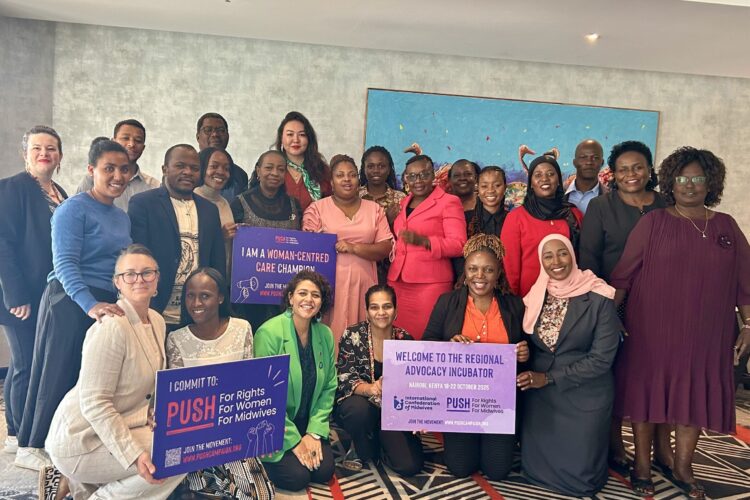
In October 2025, midwives from across East Africa gathered in Nairobi for the ICM Regional Advocacy Incubator. They came with different realities, different health systems, and different challenges, but with one shared frustration: midwives are essential to health systems, yet too often missing from the tables where decisions are made.
For four days, midwives’ associations from Ethiopia, Kenya, Tanzania, Malawi and Uganda worked side by side to strengthen their advocacy capacity and networks. Together, they clarified priorities, sharpened messages, and explored how to influence policy using evidence, strategy, and partnerships.
The Incubator marked a clear turning point. Advocacy became more deliberate and strategic, rather than reactive. Learnings from other countries’ successes and challenges was integrated into strategies. Participants worked on setting time-bound advocacy goals, mapping power and decision-makers, building evidence-based messages, planning for risks and funding constraints, and using data and storytelling to support their asks.
What mattered most, however, was what happened next. In the weeks that followed, associations went home and began putting these tools into practice. Advocacy stopped being abstract. It became practical, visible, and grounded in real action.
They did not wait. They acted, each in their own way.
Ethiopia: letting policymakers see the model in action
In Ethiopia, the focus was clear: securing national commitment to the Midwifery Model of Care. Following the Regional Advocacy Incubator, the Ethiopian Midwives Association (EMwA) moved quickly to translate advocacy planning into concrete policy action.
Within two months, the Association worked closely with the Ministry of Health to finalise a national Midwifery Model of Care protocol. This was not treated as a technical exercise alone. EMwA deliberately paired policy development with targeted advocacy, bringing policymakers and senior decision-makers to health facilities already implementing the model.
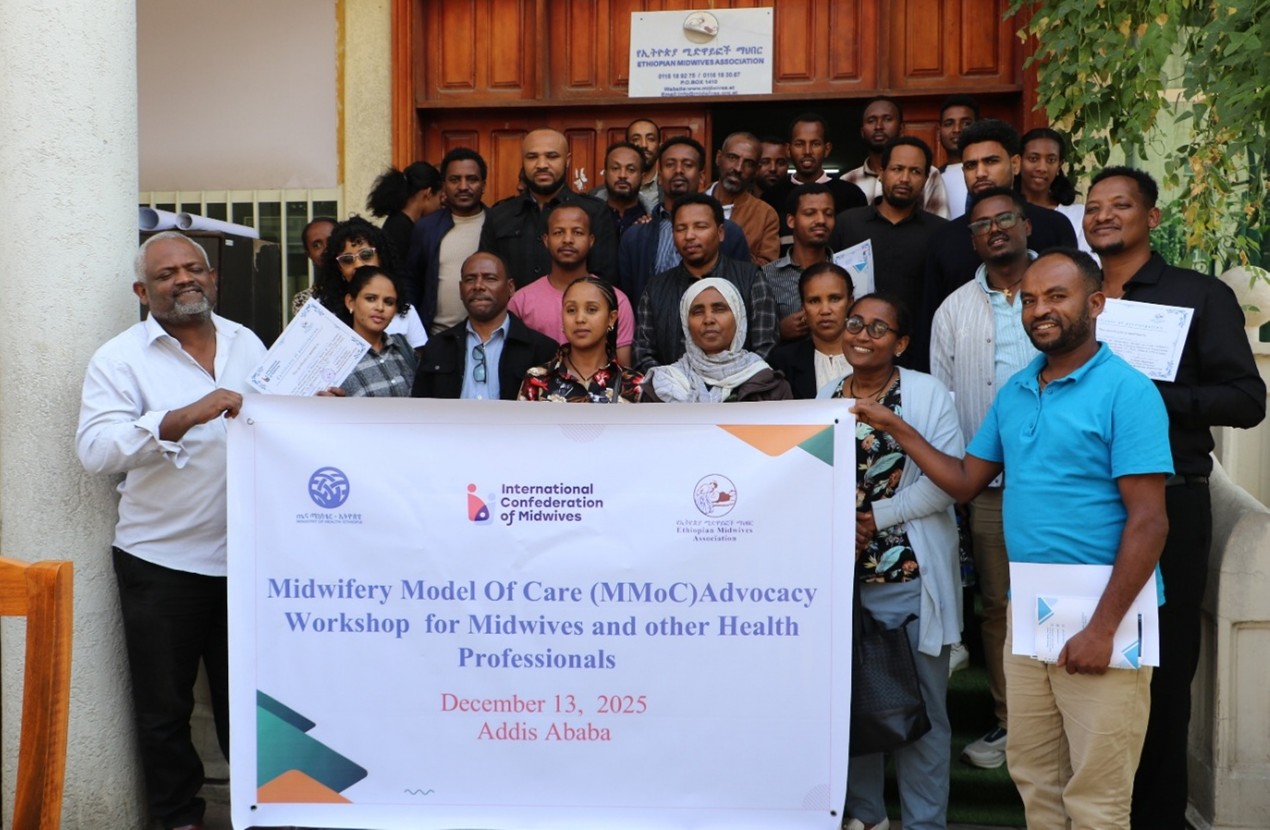
These visits created space for leaders to see continuity of care in practice and to hear directly from midwives and women about how the model improves quality, coordination, and experience of care. By moving the conversation from theory to lived reality, EMwA was able to demonstrate that midwifery models of care are both feasible and effective within the Ethiopian health system.
This hands-on advocacy paid off. The Ministry of Health formally recognised midwifery models of care as a priority within the national RMNCAH strategy and committed to developing a national implementation pathway.
Kenya: from idea to national policy brief
After the Regional Advocacy Incubator, the Midwives Association of Kenya (MAK) focused on one strategic goal: to place midwifery models of care into Kenya’s national policy conversation.
Following the incubator, MAK convened a multi-sector technical drafting team that brought together representatives from the Ministry of Health, academia, professional associations, and health facilities. Over several days of intensive work, the team reviewed national data and global evidence and produced Kenya’s first association-led national policy brief on midwifery models of care. The brief clearly set out the problem, the evidence, and concrete policy options tailored to the Kenyan health system.
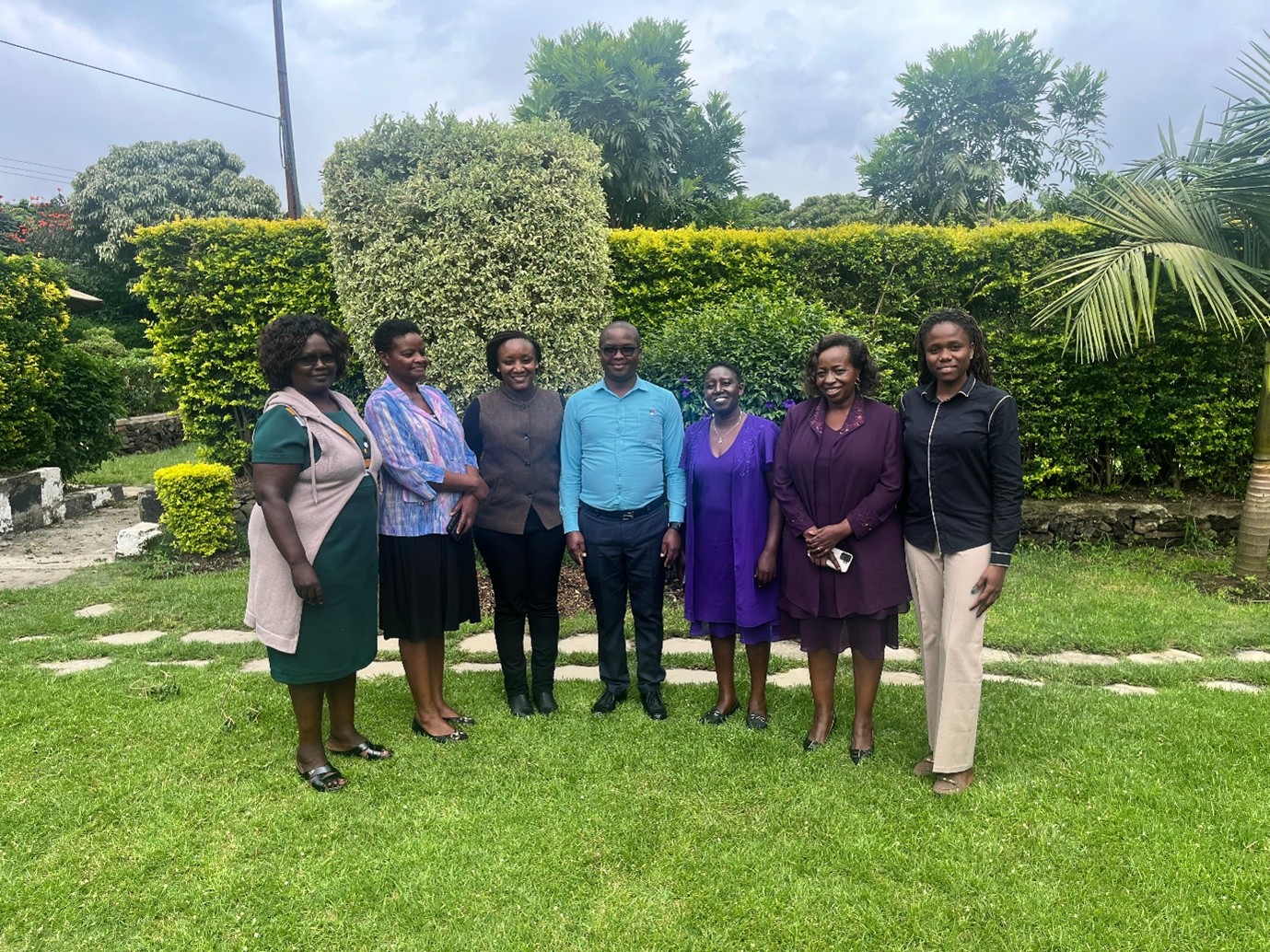
The draft brief was presented to the Association’s National Elected Committee to secure leadership alignment and a shared advocacy direction. This was followed by a national stakeholder consultation, where government actors, partners, and practitioners discussed how the model could be integrated into existing systems, financing mechanisms, and workforce plans.
To extend advocacy beyond policy spaces, MAK also invested in public-facing engagement. Through a partnership with a well-known maternal health influencer, the Association helped bring midwifery and midwifery models of care into wider public discourse.
Uganda (NMAU): from coverage to quality
After the Regional Advocacy Incubator, the National Midwives Association of Uganda (NMAU) launched a national advocacy process to integrate midwifery models of care into Uganda’s maternal and newborn health policy framework.
NMAU built a connected advocacy pathway that moved deliberately from evidence to action. The Association began by synthesising global and national evidence on midwifery models of care, complemented by consultations with midwifery leaders and technical experts. This evidence base provided a shared foundation for advocacy and informed subsequent engagement.
From there, NMAU convened a participatory co-creation and validation workshop that brought together representatives from the Ministry of Health, professional councils, training institutions, development partners, and practising midwives. These discussions helped translate evidence into context-specific priorities and recommendations that resonated with national stakeholders.
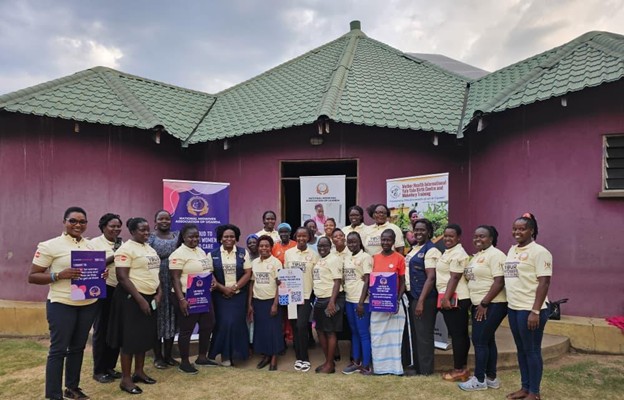
The pathway then moved into lived practice. NMAU facilitated a learning visit to a functioning midwifery-led birth centre, allowing leaders and midwives to observe continuity of care and respectful, woman-centred services in action. Seeing how the model operates in real settings helped ground policy dialogue in practical experience.
Together, these steps elevated midwives as policy actors rather than service providers alone and positioned midwifery models of care within national discussions on quality, experience of care, and health system reform.
Tanzania: from ad hoc to a national movement
In Tanzania, the Tanzania Midwives Association (TAMA) focused on building the foundations for sustained advocacy. Rather than responding to issues one by one, the Association invested in creating a coordinated national advocacy system that could be used well beyond a single project.
Following the incubator, TAMA developed a comprehensive National Advocacy Strategy using a SMART advocacy approach. The strategy clarified long-term goals, priority issues, target audiences, key messages, and practical action plans. TAMA then organised dissemination workshops across six regions, training leaders from 20 branches to develop context-specific advocacy plans aligned with national priorities.
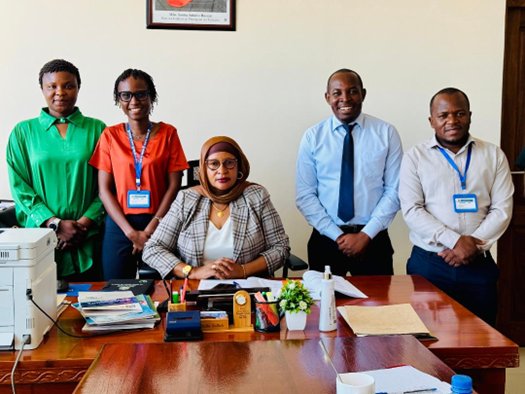
At the same time, TAMA strengthened its engagement with government. Through a series of consultative meetings with key directorates within the Ministry of Health, the Association advanced recognition of midwifery models of care as a relevant policy issue and agreed on a clear roadmap for its inclusion in the Health Sector Strategic Plan.
Alongside policy work, TAMA invested in public engagement. The launch of the “Know Your Midwife” video series helped build public trust and visibility, reinforcing advocacy messages beyond formal policy spaces.
Key shift: from isolated actions to coordinated national advocacy.
Uganda (Private Midwives Association): from stigma to service
The Uganda Private Midwives Association (UPMA) focused on a high-impact, community-level advocacy action: strengthening access to comprehensive abortion care, within Uganda’s legal and policy framework, through private midwifery-led birth centres in the Greater Masaka districts.
Building on the advocacy skills strengthened through the Regional Advocacy Incubator, UPMA convened a two-day advocacy meeting for private midwives working in midwifery-led birth centres across the Greater Masaka districts. The aim was to create a safe and informed space where midwives could openly discuss abortion care as a public health and human rights issue, while clearly recognising the legal restrictions that shape service provision in Uganda.
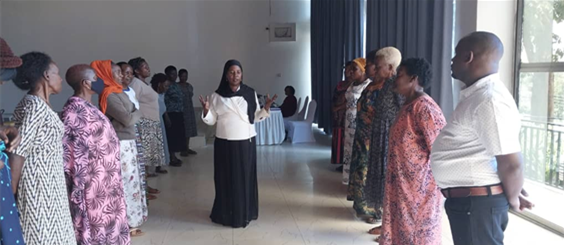
The Association deliberately brought together private midwives, district health leaders, and a legal expert to ground discussions in local realities. Sessions focused on clarifying Uganda’s legal and policy framework on abortion, addressing values and attitudes among providers, and strengthening clinical knowledge on medical abortion care permitted under the law, as well as post-abortion care and referral pathways. By pairing legal clarity with clinical guidance, UPMA helped reduce fear and uncertainty among midwives.
The presence of district health leadership helped legitimise the conversation and reduce stigma. By the end of the meeting, midwives reported increased confidence and readiness to provide lawful, evidence-based abortion and post-abortion care, strengthening conditions for expanded access for women in their communities.
What Unites Midwives Everywhere
Across five very different contexts, the same lessons emerged. When midwives organise, network and learn from each other, use evidence, and engage strategically, they can influence decisions that shape health systems.
In every country, seeing change in practice proved more powerful than reports alone. Taking policymakers and partners into real settings helped ground policy discussions in lived experience. Partnerships with government, civil society, academia, and communities amplified advocacy efforts, while data and clear messaging strengthened credibility. Across all contexts, strong governance and clear strategy emerged as essential foundations for sustained influence.
This is not a story about a workshop. It is a story about what happens when midwives work together and claim their place in decision-making.
Five countries took five different paths, but all reached the same place: proof that advocacy, when done well, changes systems.
For midwives everywhere, the message is clear. Advocacy is not only for leaders or policy experts. It begins when midwives learn from each other across countries and contexts, organise, speak together, and insist on being heard. When they do, change follows.
The world needs One Million More Midwives
Sign the petition and help us collect one million signatures to demand one million more midwives — and the investments needed to make it happen.